Trading Patterns During Trump's Second Term: Insider Trading or Skilled Prediction?
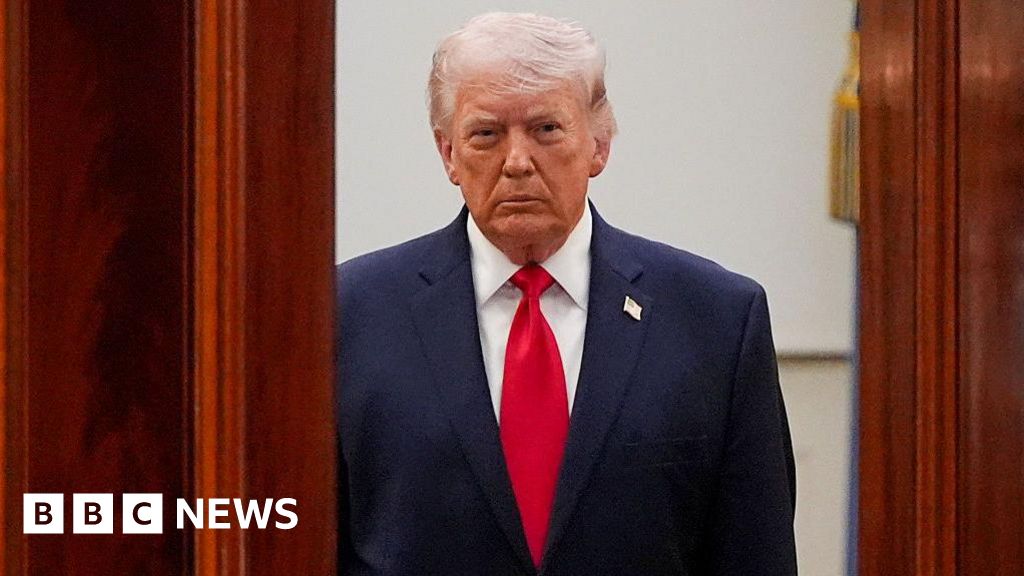
During President Donald Trump's second term, there were significant spikes in trading activity just before major announcements were made. These spikes were observed in various financial markets and were linked to the president's statements. Some analysts suggest that this pattern resembles illegal insider trading, where individuals trade based on non-public information. However, others argue that traders have become more skilled at predicting the president's actions. Here are five notable examples.
One instance involved oil trades on the futures market during the US-Israel conflict with Iran. Following Trump's statement in a phone interview with CBS News, where he hinted at a potential resolution, oil prices plummeted. Surprisingly, a surge in bets on falling oil prices occurred 47 minutes before the public announcement of the interview.
Another significant event was when Trump announced productive discussions with Iran, leading to a sharp rise in stocks and a drop in the US oil price. Prior to this announcement, an unusual number of bets were made on the US oil price, indicating potential insider trading activity.
In a different scenario, Trump's announcement of tariffs on global goods caused stock markets to decline. However, when he later announced a pause on the levies, stock markets surged. Unusual trading patterns were observed before these events, with traders making substantial profits from the market movements.
The rise of online prediction markets like Polymarket and Kalshi has also attracted attention. These platforms allow users to speculate on various events, including political outcomes. Trump Jr.'s involvement in Polymarket has raised concerns about potential conflicts of interest. Notably, some users made significant profits by correctly predicting events like Maduro's ousting and US strikes on Iran.
In response to these concerns, Polymarket and Kalshi have implemented new rules to prevent insider trading. The Commodity Futures Trading Commission (CFTC) oversees prediction markets and has emphasized its zero-tolerance policy towards fraud and insider trading. The White House also issued a warning to staff against using insider information for betting on prediction markets.
Insider trading has been illegal for most Americans since 1933, and the law was extended to cover US government officials in 2012. However, enforcement of these rules can be challenging, as identifying the source of insider information is often difficult. Despite allegations of insider trading linked to Trump's announcements, US financial authorities have not acknowledged any wrongdoing.