Exploring the Potential of Ibogaine: Trump's Executive Order and the Future of Psychedelic Therapy
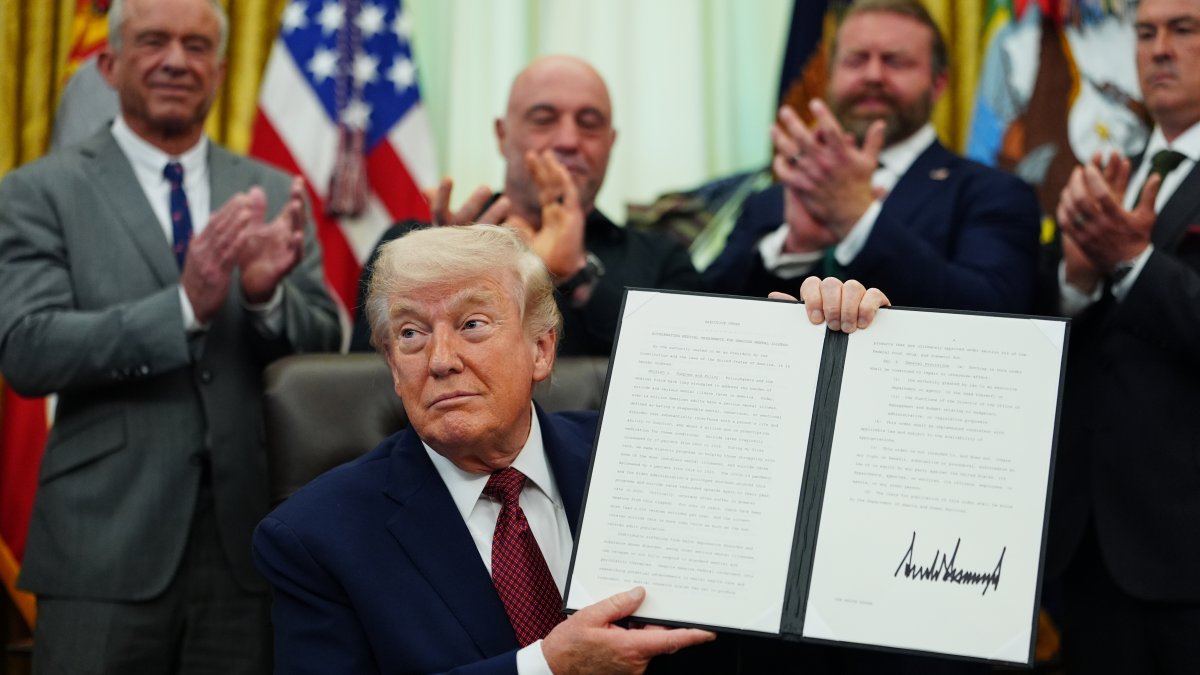
President Donald Trump has issued an executive order to expedite the review of certain psychedelic drugs, including ibogaine, which has gained attention from combat veterans and conservative lawmakers despite safety concerns. These drugs are currently classified as illegal and high-risk, but the administration aims to facilitate research for medical purposes, particularly for conditions like severe depression. Trump believes this directive will accelerate access to potential treatments and have a significant impact if proven effective.
Advocates of ibogaine, derived from a shrub in West Africa, argue that it holds promise for treating challenging conditions such as post-traumatic stress disorder and opioid addiction. Health Secretary Robert F. Kennedy Jr. and other officials have pledged to ease access to psychedelics for medical use, garnering bipartisan support. The FDA will issue national priority vouchers for three psychedelics to expedite approval processes aligned with national priorities, marking the first time such fast-tracking has been offered for these substances.
The FDA is also paving the way for the first human trials of ibogaine in the U.S., a significant step in exploring its therapeutic potential. Despite known risks of cardiovascular toxicity associated with ibogaine, researchers are hopeful that objective scientific research can shed light on its efficacy as a psychedelic therapy. While no psychedelics are currently approved in the U.S., ongoing trials are investigating their use for various mental health conditions, with some states legalizing psychedelic therapy with substances like psilocybin.
Ibogaine's history traces back to religious ceremonies in African nations, and recent reports from U.S. veterans suggest positive outcomes after receiving treatment at clinics in Mexico. The backing of veterans groups and lawmakers like Rick Perry has led to increased funding for ibogaine research, with Trump's order allocating at least $50 million to states advancing psychedelic drugs for mental illness. Despite the potential benefits, ibogaine's safety concerns, including heart irregularities and documented deaths, underscore the need for rigorous research and monitoring.
The impact of Trump's order on ibogaine clinics may not be immediate, as insurance coverage and approval status remain challenges. However, federal acknowledgment of ibogaine could shift its status from fringe to mainstream, potentially encouraging more states to invest in research programs. Clinics administering ibogaine typically prioritize patient safety, monitoring heart readings and having emergency medical equipment on hand. While studies on ibogaine's efficacy are limited, early research suggests improvements in symptoms of traumatic brain injury among veterans, highlighting the need for further investigation and clinical trials.