White House Ballroom Construction: Legal Battle and National Security Implications
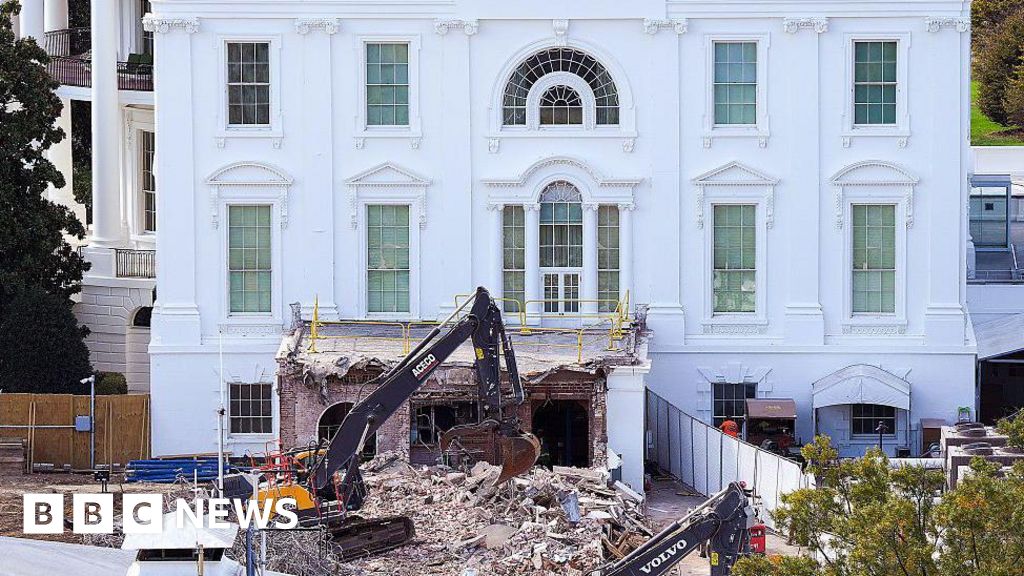
Construction of the White House ballroom project, both underground and above ground, has received approval to continue following a decision by a US appeals court. The court granted an administrative stay after the Trump administration appealed against a previous ruling that had halted above ground construction. The construction is set to proceed until the next hearing scheduled for June 5. This development comes after the judge was instructed to reconsider the national security implications of pausing the project, which had been temporarily blocked in March. The decision is seen as a win for President Donald Trump's efforts to revamp the historic American structure.
The US District Judge Richard Leon had expressed concerns about the project requiring congressional approval and questioned the administration's reclassification of the ballroom plans as essential for national security. He emphasized that national security should not be used as a justification for unlawful activities. President Trump responded to the ruling on Truth Social, accusing the judge of hindering future Presidents and world leaders from having a secure meeting place. He defended the project, highlighting its importance for national security and military operations, including features like bomb shelters and medical facilities. Trump emphasized the urgency of the ballroom's construction and criticized any attempts to halt it.
Following the judge's decision to temporarily stop the construction in March, citing procedural irregularities, the Justice Department filed an appeal to prevent potential risks to the President and national security. The White House has faced legal challenges from the National Trust for Historic Preservation, which alleges that proper procedures were not followed before commencing the construction of the ballroom and bunker. The lawsuit claims that the White House violated the law by not submitting plans to the National Capital Planning Commission and bypassing congressional authorization. The project involves the demolition of the East Wing of the White House to make room for the new ballroom, designed to accommodate 1,350 guests and funded by private donors.
In conclusion, the recent decision by the appeals court allowing the construction of the White House ballroom project to proceed is a significant development in President Trump's efforts to modernize the iconic American landmark. Despite legal challenges and concerns raised by the judge, the project's national security implications and urgency have been emphasized by the administration. The ongoing dispute underscores the complex interplay between historical preservation, legal procedures, and national security considerations in the construction of the White House ballroom.