Title: "Iran Reinstates Strait of Hormuz Restrictions Amid U.S. Blockade Standoff
Iran has decided to reinstate restrictions on the Strait of Hormuz after the U.S. refused to lift its blockade on Iranian-linked shipping. The joint military command of Iran announced that the strait would be under strict control by the armed forces until the U.S. blockade is lifted. This move comes after U.S. President Donald Trump stated that the blockade would continue despite Iran's initial announcement of reopening the strait.
The conflict over the strait has caused fluctuations in oil prices, as one-fifth of the world's oil passes through this critical waterway. The U.S. blockade on Iranian ports was initiated as part of efforts to pressure Iran into accepting a ceasefire brokered by Pakistan to end the ongoing war involving Israel, the U.S., and Iran. The control of the strait has been a key leverage point for Iran in this conflict.
Iran had initially reopened the strait to commercial vessels following a 10-day truce between Israel and the Iranian-backed Hezbollah group in Lebanon. However, Trump's announcement of the continuation of the blockade led to Iranian officials warning that the strait would not remain open as long as the blockade persisted. Movement through the strait remained limited to corridors requiring Iran's approval, according to a data firm.
Despite the tensions in the Strait of Hormuz, there are indications that the U.S. and Iran are moving closer to a deal before the ceasefire deadline on April 22. The ceasefire in Lebanon has been seen as a positive development, potentially paving the way for an agreement between the two countries. Mediators remain optimistic about the prospects of reaching a deal, with Pakistan playing a key role in facilitating talks between Iran and the U.S.
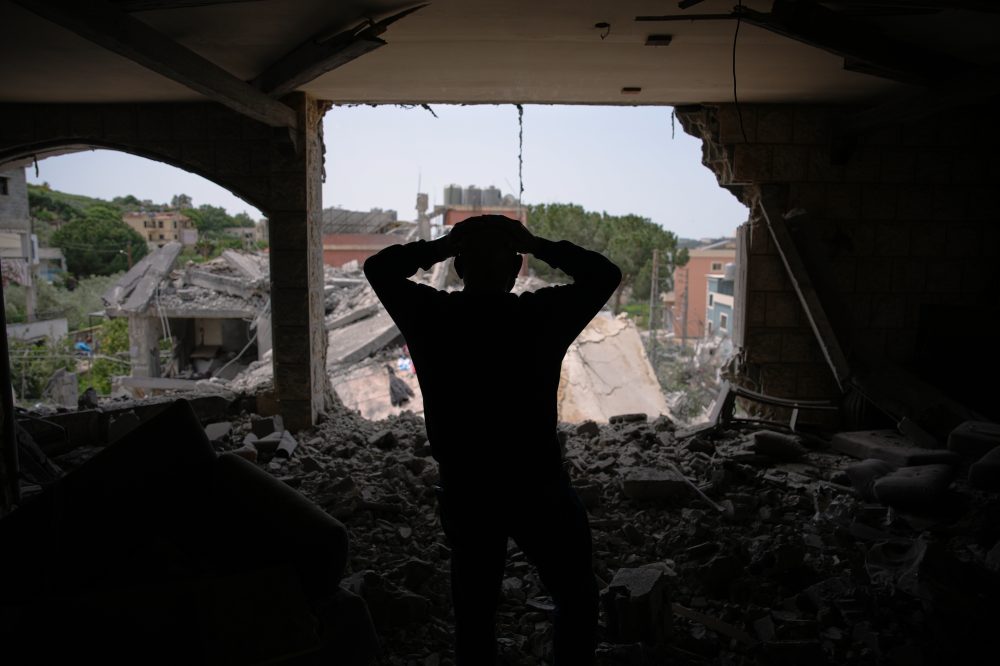
The ceasefire in Lebanon has prompted displaced families to start returning to southern Lebanon and Beirut's southern suburbs, despite warnings from officials to wait and see if the ceasefire holds. There have been reports of sporadic artillery shelling in some parts of southern Lebanon after the ceasefire came into effect. The war, which began in February, has resulted in casualties in Iran, Lebanon, Israel, and Gulf Arab states, as well as among U.S. service members.
In conclusion, the situation in the Strait of Hormuz remains tense as Iran reverts to restrictions following the U.S. blockade. The ongoing conflict involving Iran, the U.S., and Israel continues to impact the region, with hopes for a potential agreement on the horizon. The ceasefire in Lebanon has provided a glimmer of hope for progress in the negotiations between the parties involved.