Exploring the Trend of Animal-Based Skin Care Products: From Tallow Balms to Salmon Sperm Facials
Bryan Vander Dussen, a former dairy farmer turned beef seller, has ventured into creating tallow balm from organ fat of his animals with his wife. They have been experimenting with different recipes to ensure the balm doesn't smell like beef, adding scents like lavender and wild orange to counter the potential odor. The trend of animal-based skin care products has been on the rise, promoted as natural alternatives to synthetic products, gaining popularity in various markets and spas.
Consumers are increasingly interested in animal-based skin care products due to concerns about the health impact of chemicals and the promotion of meat-based diets by movements like Make America Healthy Again. This shift towards animal-based cosmetics is also attributed to a broader movement embracing animal-based foods, according to Norah MacKendrick, a sociology professor at Rutgers University.
Natalee Keenan, a consumer, tried tallow-based skin care products in search of natural alternatives. While some products felt heavy and beefy on her skin, she found a whipped tallow balm scented with coconut to be lighter and effective in keeping her skin smooth. Despite the lack of medical evidence supporting the effectiveness of animal-based skin care products, their popularity continues to grow.
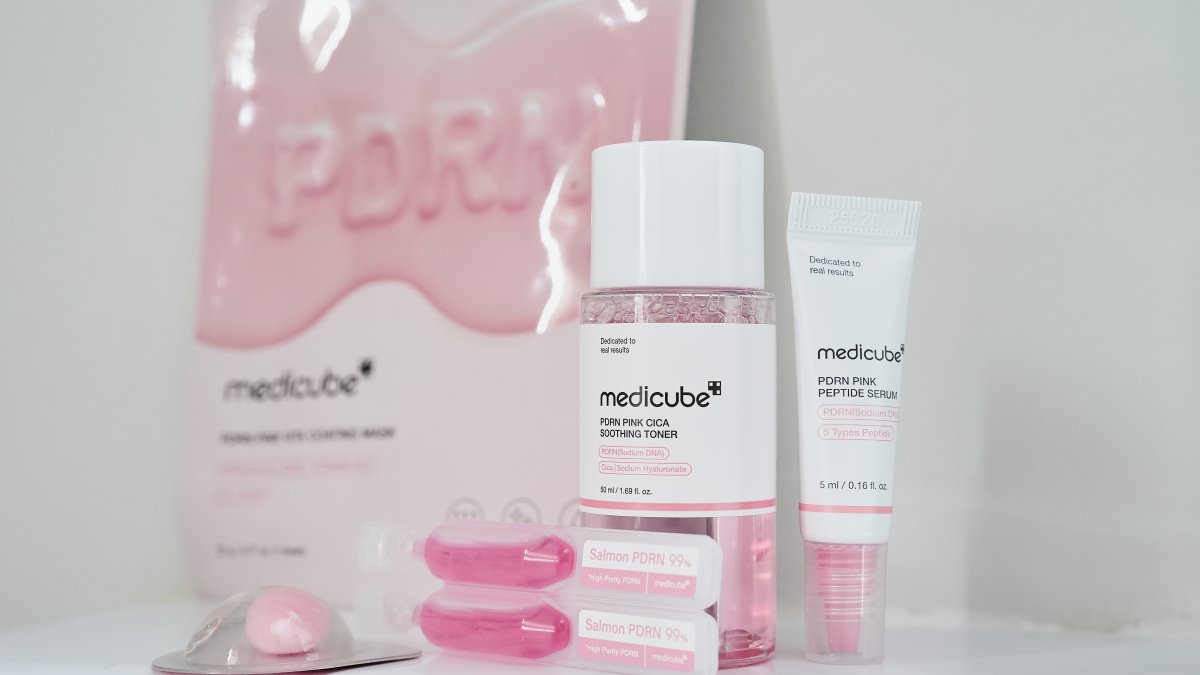
The cosmetics industry had moved away from animal-derived ingredients due to concerns about animal testing and diseases like mad cow. However, these ingredients have made a comeback in recent years, marketed as natural alternatives in skin care products. Entrepreneurs like Jamie Moody have embraced this trend to reduce waste and cater to the demand for clean products.
While animal-based skin care products like tallow balm and salmon sperm facials have varying prices, consumers are showing interest in these products. Searches for terms like “beef tallow for skin” have increased, indicating a growing demand for such products. Despite the sustainability aspect of using animal waste, experts caution about the lack of robust medical data supporting the effectiveness of these ingredients.
Dr. Angelo Landriscina, a dermatologist, and Dr. Heather Rogers both emphasize the importance of evidence-based skin care choices. They highlight the potential drawbacks of using tallow on the skin, including rancidity and irritants in scented products. Consumers are advised to manage their expectations regarding the benefits of skin care ingredients and focus on evidence-backed options like retinol and niacinamide.
Corrin Dial, a farmer, turned to tallow balm for her baby as a natural alternative to chemical products. She believes that many people are shifting towards natural products to avoid chemicals, especially those with health concerns. The trend towards animal-based cosmetics is also influenced by mothers' awareness of the impact of chemicals on children, driving the demand for safer alternatives.
The beauty industry's constant introduction of new products reflects a fashion industry-like approach, according to cosmetic chemist Perry Romanowski. Whether consumers are drawn to traditional ingredients like beef tallow or innovative options like salmon-based skin care, the focus should be on evidence-based choices for effective skin care. The evolving landscape of animal-based skin care products underscores the importance of informed decision-making in personal care routines.