Strait of Hormuz Reopens: Ceasefire in Lebanon Offers Hope for Peace
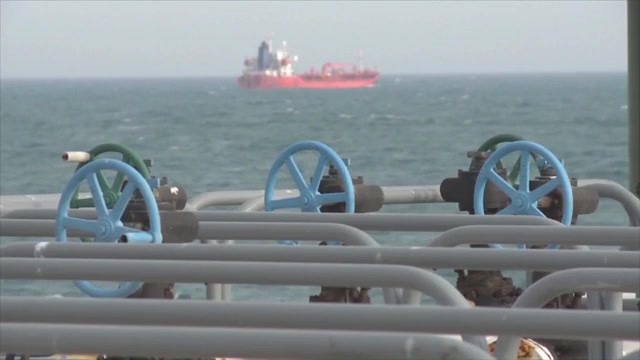
The Strait of Hormuz has been declared fully open to commercial vessels by both U.S. President Donald Trump and Iran's foreign minister. The announcement came following a ceasefire in Lebanon, with Iran stating that the strait is open for full passage. The implications of this decision on the U.S. blockade of the strait remain unclear.
A 10-day truce in Lebanon between Israel and the Hezbollah militant group seems to be holding, offering a temporary respite from the conflict. The ceasefire could pave the way for a potential agreement between Iran, the United States, and Israel to end the ongoing war. However, uncertainties persist regarding Hezbollah's acceptance of a deal it was not involved in negotiating.
Residents in Beirut celebrated the truce with gunfire, while displaced families cautiously began returning to their homes in southern Lebanon and Beirut's suburbs. The U.N. peacekeepers in southern Lebanon reported no airstrikes since midnight but accused the Israeli military of violating airspace and shelling southern Lebanon. The terms of the ceasefire allow Israel to act in self-defense but prohibit offensive operations in southern Lebanon.
President Trump hailed the ceasefire as a significant development for Lebanon and expressed optimism about ending the war with Iran. The closure of the Strait of Hormuz has led to concerns about energy shortages, prompting international efforts to reopen the crucial waterway. The leaders of France and the U.K. are convening to discuss plans to resume operations in the strait.
The conflict has resulted in casualties on all sides, with thousands of lives lost in Iran, Lebanon, Israel, and Gulf Arab states. Israel's Defense Minister emphasized Israel's commitment to the ceasefire, despite ongoing efforts to disarm Hezbollah in southern Lebanon. Israeli Prime Minister Netanyahu agreed to the ceasefire to advance peace efforts but reiterated that Israeli troops would not withdraw from the region.
The agreement between Israel and Lebanon followed diplomatic talks facilitated by the U.S. and Iran. The ceasefire aims to halt the violence and create space for further negotiations on key issues such as Iran's nuclear program and compensation for wartime damages. President Trump indicated a willingness to extend the ceasefire if progress towards a comprehensive deal is made.
In conclusion, the declaration of the Strait of Hormuz as fully open marks a significant step towards easing tensions in the region. The ceasefire in Lebanon offers a temporary reprieve from the conflict, providing an opportunity for diplomatic efforts to address underlying issues and work towards a lasting peace agreement. The international community's engagement in mediating the ceasefire underscores the importance of dialogue and cooperation in resolving conflicts.