New York City Building Workers Union Reaches Tentative Agreement with Realty Advisory Board, Averting Strike
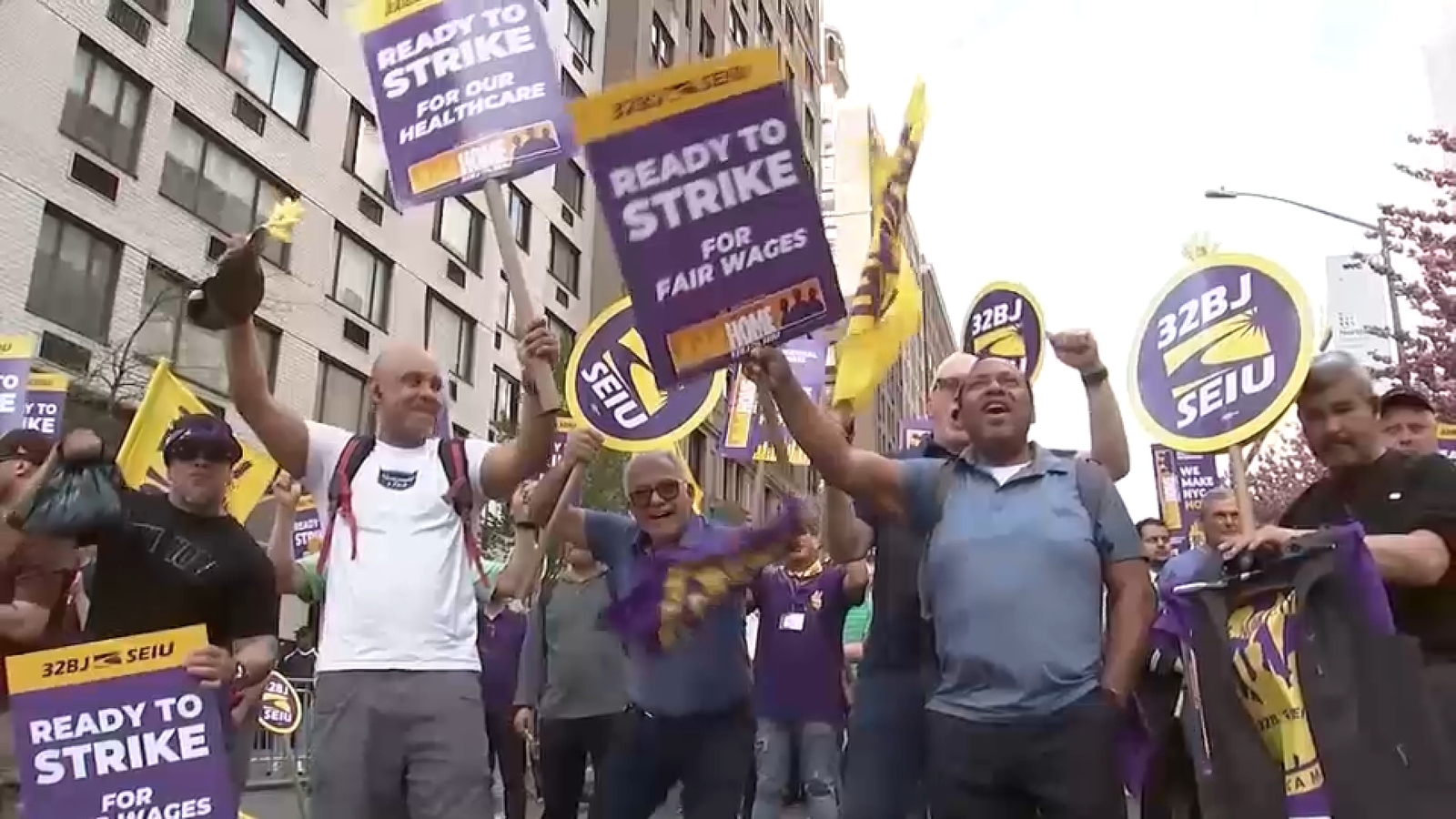
A tentative agreement has been reached between the union representing New York City residential building workers and the Realty Advisory Board, averting a potential strike. The agreement comes after the union, which includes over 34,000 doormen, supers, porters, and other workers, had authorized a strike due to disagreements over wages and healthcare. The current four-year deal provides full family coverage without member contributions, but the Realty Advisory Board argues that this model is unsustainable, citing the high costs associated with healthcare and the potential impact of a rent freeze in rent-stabilized buildings.
The union and the Realty Advisory Board have been at odds over the terms of the agreement, with the board emphasizing the need for cost adjustments, including healthcare contributions and the establishment of a Tier II structure. The average annual income of a door person is around $62,000, but employers incur costs exceeding $112,000, partly due to healthcare expenses. The board warns that without addressing these costs, the long-term sustainability of the industry and its workforce could be jeopardized.
In the event of a strike, more than a million New Yorkers across thousands of buildings would have been affected. The last strike by building workers occurred in 1991 and lasted for 12 days. The tentative agreement reached between the union and the Realty Advisory Board aims to address the key issues of contention and ensure a sustainable future for both the industry and its workforce.
Overall, the tentative agreement between the union and the Realty Advisory Board has successfully averted a potential strike that could have had significant implications for New York City residents and building owners. By addressing the concerns related to wages and healthcare, the agreement aims to establish a sustainable framework for the industry while ensuring the well-being of its workforce.