Unrest in the Iranian Diaspora: The Murder of Masood Masjoody and the Monarchist Movement
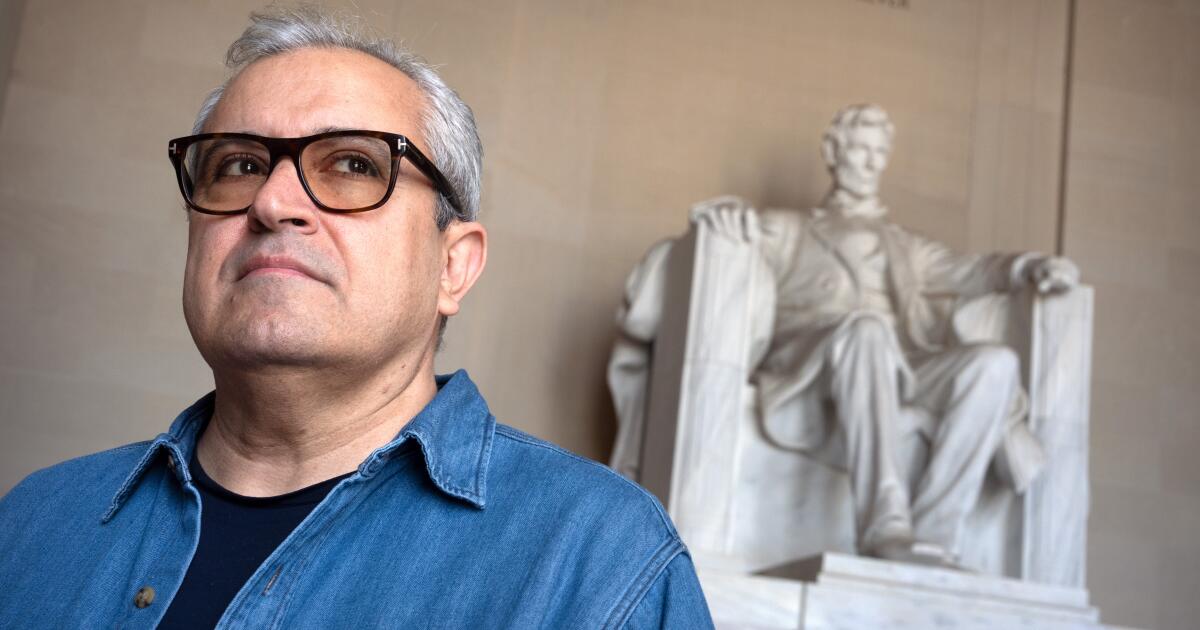
The disappearance and subsequent murder of Masood Masjoody, an Iran-born activist, has sent shockwaves through the Iranian diaspora community. Masjoody had accused two fellow activists of plotting to kill him on social media before he vanished in February. The police in British Columbia found his body in March and charged the two individuals with first-degree murder. This incident has heightened tensions among Iranians outside the country, particularly those who oppose the Iranian government and a movement to make the son of the former king the next leader of Iran.
A threatening message posted on the social platform X targeted 10 outspoken diaspora figures, warning of impending violence. The message, written in Farsi and associated with the SAVAK, the former secret police of the monarchy, raised concerns about the safety of dissenting voices within the Iranian community abroad. The case has exacerbated divisions within the diaspora, especially regarding the war with Iran and the leadership of the country in a post-government era.
The charged individuals who allegedly killed Masjoody were supporters of the monarchist movement led by the exiled crown prince, Reza Pahlavi. However, supporters of Pahlavi deny any responsibility for the threats and violence, attributing them to government agents posing as activists online. The diaspora community is grappling with fear and uncertainty as threats and intimidation tactics escalate, prompting some activists to seek police protection and alter their routines for safety.
The monarchist movement, spearheaded by Pahlavi, has faced criticism for its alleged role in fostering a hostile environment for dissenting voices within the Iranian diaspora. The movement's call for unity and purity of politics has been perceived as a threat by those who oppose its agenda. As tensions rise and threats persist, the diaspora community remains on edge, navigating a complex landscape of political allegiances and personal safety concerns.
In conclusion, the tragic case of Masood Masjoody's murder has underscored the challenges faced by Iranian activists and dissidents living outside the country. The diaspora community is grappling with internal divisions, external threats, and a climate of fear that has permeated their daily lives. As the struggle for democracy and freedom in Iran continues, the safety and well-being of those advocating for change remain a paramount concern.