Unraveling the Mystery: The Controversy Surrounding Peter Mandelson's Security Vetting Clearance
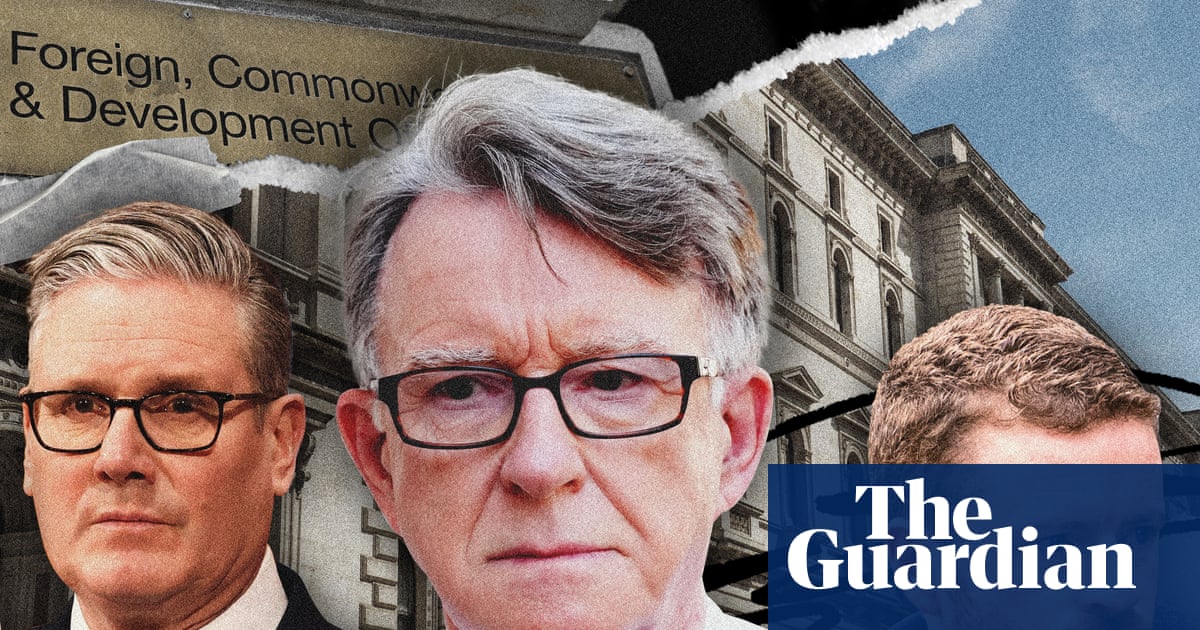
The recent revelation that Peter Mandelson faced initial security vetting clearance denial, only to have the decision overturned by the Foreign Office to allow him to assume his role as ambassador to the US, has sparked inquiries. Mandelson's clearance was reportedly denied after a thorough vetting process by UK Security Vetting (UKSV) in late January 2025. Despite this, the Foreign Office intervened within two days to grant him clearance, bypassing the security officials' recommendation. The decision to overrule the UKSV remains shrouded in mystery, prompting questions about who authorized it and why.
The government is contemplating whether to withhold sensitive documents from parliament that would disclose Mandelson's failed security vetting. The lack of transparency surrounding the decision to override UKSV and the involvement of senior officials and politicians has raised concerns. As the situation unfolds, key questions are likely to be raised regarding the government's handling of the matter.
Keir Starmer's assertion that Mandelson underwent independent security vetting by the security services contradicts the reported UKSV denial. The discrepancy in information raises doubts about the level of awareness among officials and politicians regarding Mandelson's vetting status. The lack of communication between key figures and the decision-making process behind the clearance approval remains unclear.
Yvette Cooper, who was not foreign secretary at the time of the Foreign Office's decision, has been addressing the aftermath of the vetting controversy. Cooper and Olly Robbins defended the vetting process in a letter to the foreign affairs select committee, emphasizing that Mandelson received clearance in line with established policy. However, the ambiguity surrounding the decision-making process and the level of transparency in the statement have left room for further scrutiny.
The involvement of Olly Robbins in the decision-making process regarding Mandelson's clearance has raised questions about the escalation of the vetting report. While Robbins indicated that most vetting reports are straightforward, the handling of cases requiring senior judgment remains unclear. The decision-making hierarchy within the Foreign Office and the extent of consultations with senior officials, including the cabinet secretary and the foreign secretary, are subjects of interest.
The reasons behind Mandelson's failed security vetting are subject to speculation, given the confidential nature of the process. The UKSV developed vetting process involves detailed inquiries into personal and financial matters, making the denial of clearance rare. The reluctance to disclose the specific reasons for Mandelson's denial underscores the sensitivity of the issue and the potential implications for national security.
The debate over releasing documents related to Mandelson's vetting and clearance decision to the intelligence and security committee reflects the internal divisions within the government. The unprecedented nature of such a disclosure underscores the gravity of the situation and the need for transparency. The decision on whether to provide the committee with access to these documents remains a contentious issue that could have far-reaching implications.
In conclusion, the controversy surrounding Peter Mandelson's security vetting clearance and the subsequent decision by the Foreign Office to grant him clearance have raised significant questions about the transparency and accountability of the process. The lack of clarity surrounding the decision-making hierarchy, the level of communication among key officials, and the reasons for the clearance denial highlight the need for a thorough investigation into the matter. As the government grapples with the fallout from this episode, the focus remains on ensuring that the vetting process is conducted with integrity and adherence to established protocols.