Understanding the Factors Behind Rising Beef Prices: Why Consumers Can Expect to Pay More for Ground Beef and Steaks
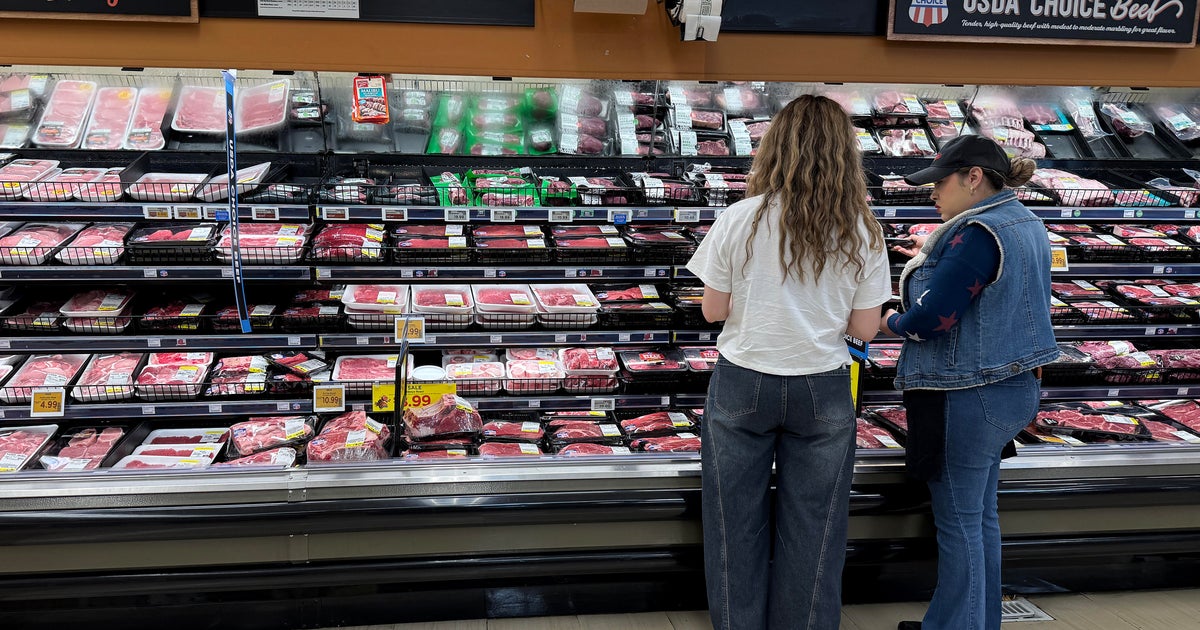
Ground beef prices have remained high despite decreases in the cost of other food staples like eggs. In March, ground beef prices were up nearly 16% from a year ago, reaching $6.70 per pound. Beef steaks also saw a 16% increase, with prices at $12.73 per pound. Unfortunately, these high prices are not expected to decrease anytime soon, with experts predicting further increases in the short-term.
Experts suggest that beef prices may continue to rise due to various factors, including the recent surge in inflation caused by the Iran war. The conflict has led to an increase in global oil and fuel prices, which could impact transportation costs and ultimately drive up food prices. The U.S. Department of Agriculture forecasts that beef prices could climb by more than 10% in 2026, potentially reaching an 18% increase.
The main reason behind the surge in beef prices is the shrinking U.S. cattle herds coupled with sustained consumer demand for beef. The number of beef cows in the U.S. has decreased to less than 28 million, the lowest level since the 1960s, due to worsening drought conditions. This has led to higher feed costs for ranchers, prompting some to cull their herds and making it challenging to expand future beef supplies.
Despite the high prices, U.S. consumers have not significantly reduced their beef purchases. Data from NielsenIQ shows that unit sales for beef were down only 4% year-over-year, while dollar sales increased by 8%. Demand for beef remains strong, with consumers showing a preference for beef over other meats like pork and chicken.
In conclusion, the high beef prices are likely to persist in the near future due to a combination of factors, including shrinking cattle herds, sustained consumer demand, and external economic influences like the Iran war. Consumers can expect to continue paying premium prices for beef as the industry grapples with supply chain challenges and rising production costs.