The Unraveling of Trump's Deception: How False Statements Are Alienating His Base
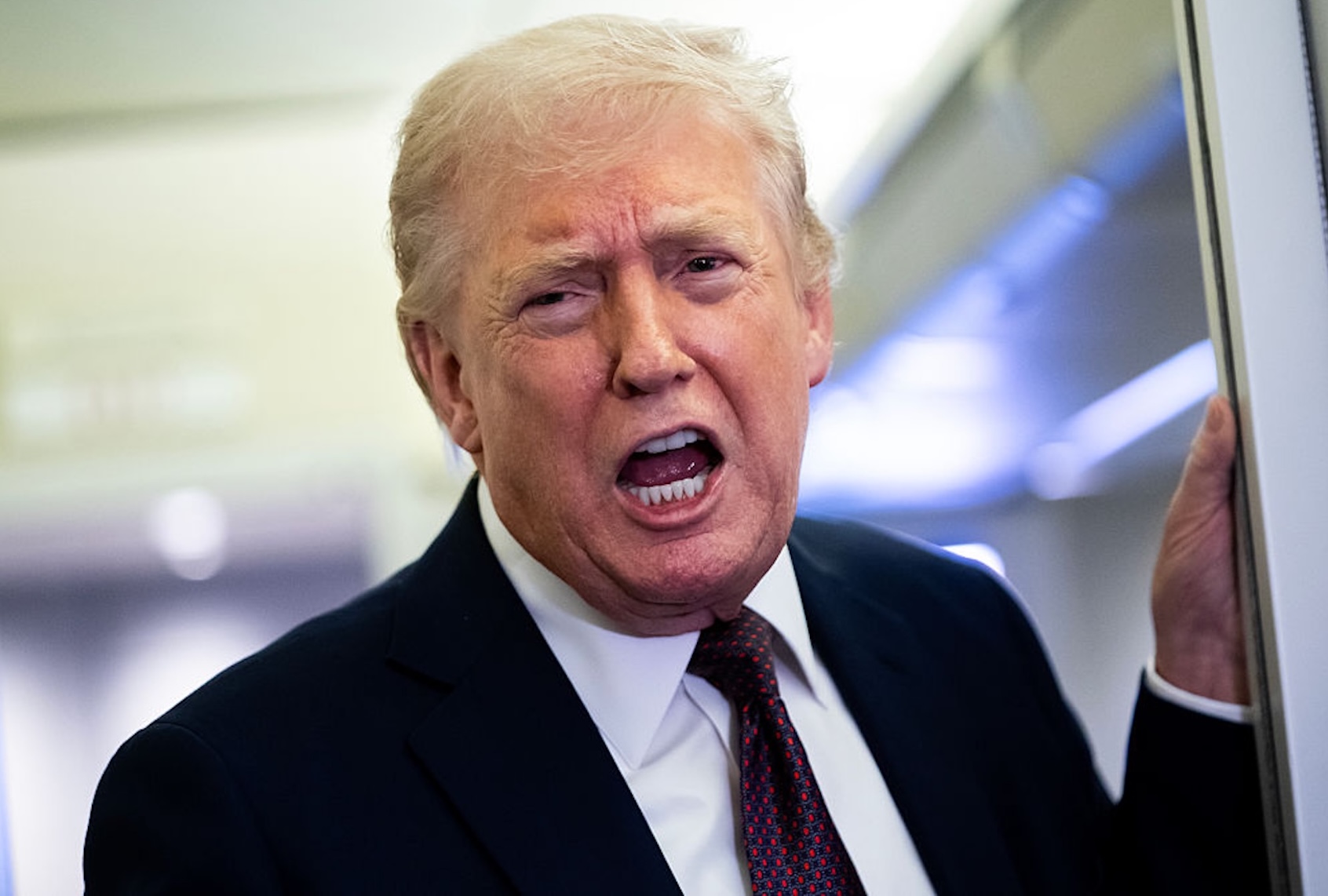
Donald Trump has a history of making false statements throughout his political career, with little consequence. Despite his lies about various topics, his supporters have continued to stand by him. However, recent data suggests that some of his base is starting to feel disillusioned with his administration's messaging on issues like the Iran war, tariffs, and inflation, leading to a decline in his approval ratings.
While fact-checking efforts may not be the main reason for this shift in sentiment among Trump's supporters, it is essential to understand that debunking beliefs can sometimes backfire, causing individuals to double down on their misconceptions. Instead of labeling Trump's false statements as lies, it may be more accurate to view them as a form of contempt or taunting towards his detractors. By making outrageous claims, Trump may be trying to assert his dominance and control over the news cycle.
However, this strategy seems to be backfiring, as some of his supporters are now feeling the brunt of his contempt. Trump's recent claims about falling grocery prices, successful tariffs, and a booming economy are seen as blatant falsehoods that belittle those who are struggling in the current economic climate. This shift in perception among his base is not necessarily due to the realization that Trump lies but rather that he has betrayed their trust.
In conclusion, Trump's pattern of making false statements may not be solely about deception but rather a way to assert power and control over the narrative. As his supporters begin to feel the effects of his misleading claims, they are starting to question their allegiance to him, leading to a decline in his approval numbers. This shift highlights the complex dynamics of political rhetoric and its impact on public perception.