Strait of Hormuz Blockade Threat: Implications for Global Oil Supply and Economic Stability
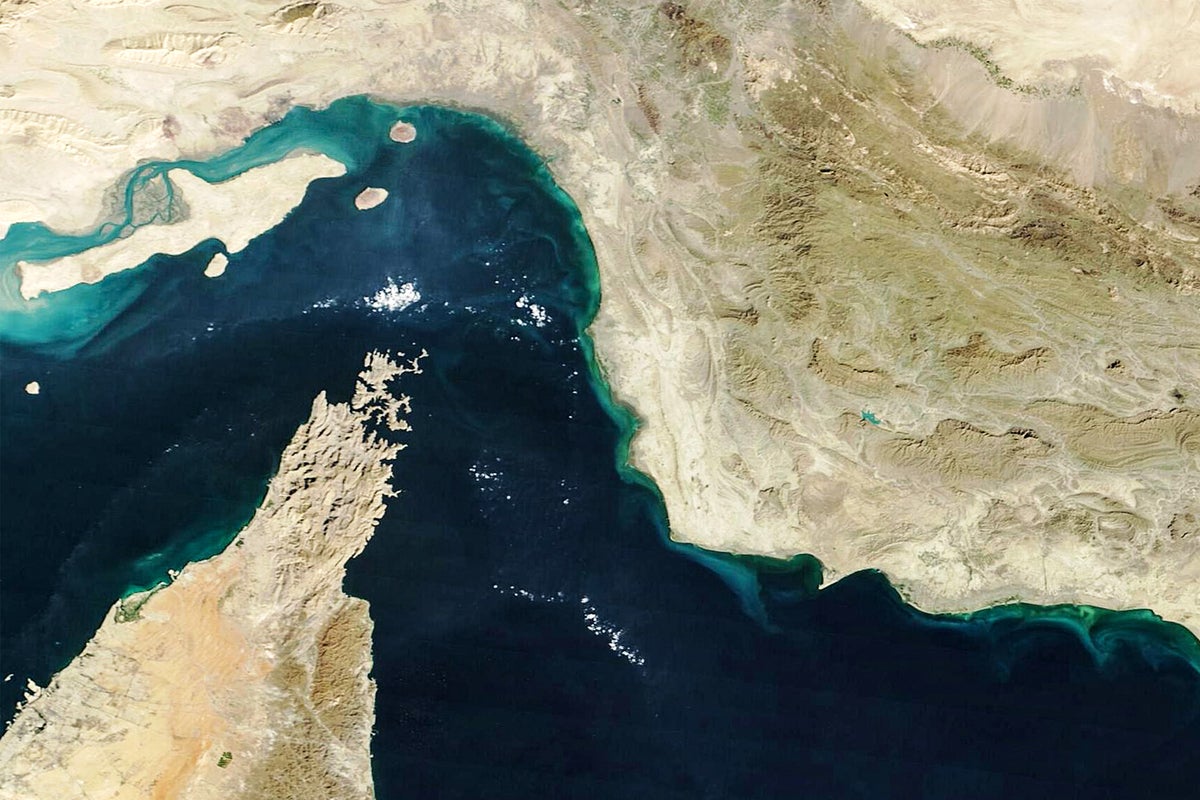
President Donald Trump recently threatened to blockade the Strait of Hormuz following failed negotiations with Iran and a surge in oil prices. While the United States initially indicated it would impede vessels in the waterway, it later clarified that it would not obstruct ships passing through. Despite this, a blockade of Iran's ports is set to proceed. Talks in Islamabad broke down due to disagreements over the Strait of Hormuz and Iran's nuclear program, with Trump expressing indifference towards Tehran's return to negotiations.
The Strait of Hormuz, a critical shipping route between the Persian Gulf and the Gulf of Oman, is a vital waterway for global oil transportation. It is approximately 100 miles long and only 24 miles wide at its narrowest point. The passage, located in Iran's territorial waters, serves as an international waterway and typically allows free passage for all ships. With 20 million barrels of oil passing through daily, the strait plays a crucial role in global oil supply, particularly for Asian markets like China, India, and Japan.
Iran's control over the Strait of Hormuz has raised tensions, leading to threats of blockades and disruptions in oil shipments. The recent closure of the waterway for military exercises and the subsequent constraints on shipping highlight the potential risks associated with the region. Despite efforts to clear Iranian mines and ensure safe passage, uncertainties persist regarding the resumption of normal flows through the strait. Vessel owners remain cautious amid heightened US-Iran tensions and the risk of attacks in the area.
The International Energy Agency has warned of a severe energy crisis triggered by the blockade, surpassing previous oil shocks in history. The disruption in energy supply, coupled with the prolonged impact on the world economy, underscores the significance of the situation. Even if the Strait of Hormuz were to reopen, experts anticipate a lengthy recovery period for the global markets. The repercussions of the conflict and potential disruptions in oil supply could have far-reaching consequences on energy security and economic stability worldwide.