FAA Proposes Flight Reductions at O'Hare Airport Amid American and United Airlines Turf Battle
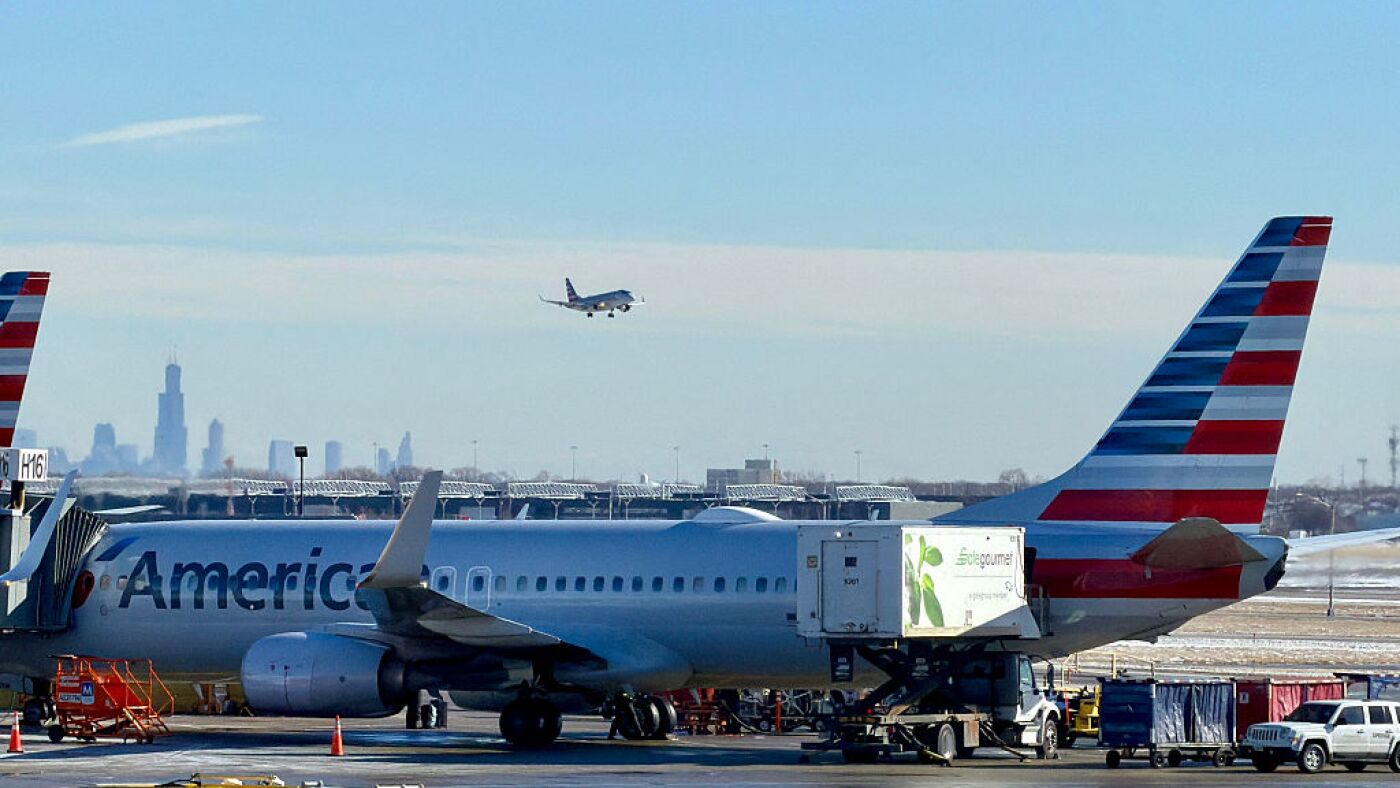
The ongoing turf battle at O'Hare International Airport between American Airlines and United Airlines has caught the attention of aviation regulators. The Federal Aviation Administration (FAA) is looking to reduce the number of flights at O'Hare due to concerns about potential operational disruptions caused by the increased flight activity. The FAA aims to cap the daily takeoffs and landings at the airport to prevent gridlock and stress on the runway, terminal, and air traffic control systems.
O'Hare Airport, as the busiest airport in the U.S. in terms of takeoffs and landings, serves as a critical hub for both American and United. The airlines have been competing for gate space at O'Hare for years, leading to a rapid increase in flight schedules. The FAA's proposed flight reductions are seen as a proactive measure to prevent potential chaos during the upcoming summer travel season.
The FAA's move to limit flights at O'Hare is considered unusual by some industry experts, who typically expect the agency to intervene only after delays and cancellations have already occurred. The proposed flight caps are seen as a preemptive step to avoid operational disruptions similar to those experienced at other airports in the past. Both American and United have expressed support for the planned reductions, which may also help them address rising fuel costs and optimize their flight schedules.
While the airlines appear willing to cooperate with the FAA's proposed cuts, the Chicago Department of Aviation (CDA) has raised objections, calling the reductions unwarranted and regressive. The CDA argues that O'Hare's recent expansion has increased its operating capacity and reduced delays, allowing the airport to handle more flights than the FAA's proposed limits. Passengers at O'Hare have mixed reactions to the potential flight reductions, with some expressing concerns about inconvenience and congestion, while others see possible benefits in terms of operational efficiency.
As the FAA continues to work with the airlines and the CDA to finalize the plan for flight reductions at O'Hare, the aviation industry is closely monitoring the situation to ensure a smooth and efficient travel experience for passengers. The outcome of these discussions will have implications for both airlines and travelers during the busy summer travel season.