Global Tensions Escalate: Updates on U.S.-Iran Negotiations, Hungarian Election, Cuban Leadership, and Congressional Accountability
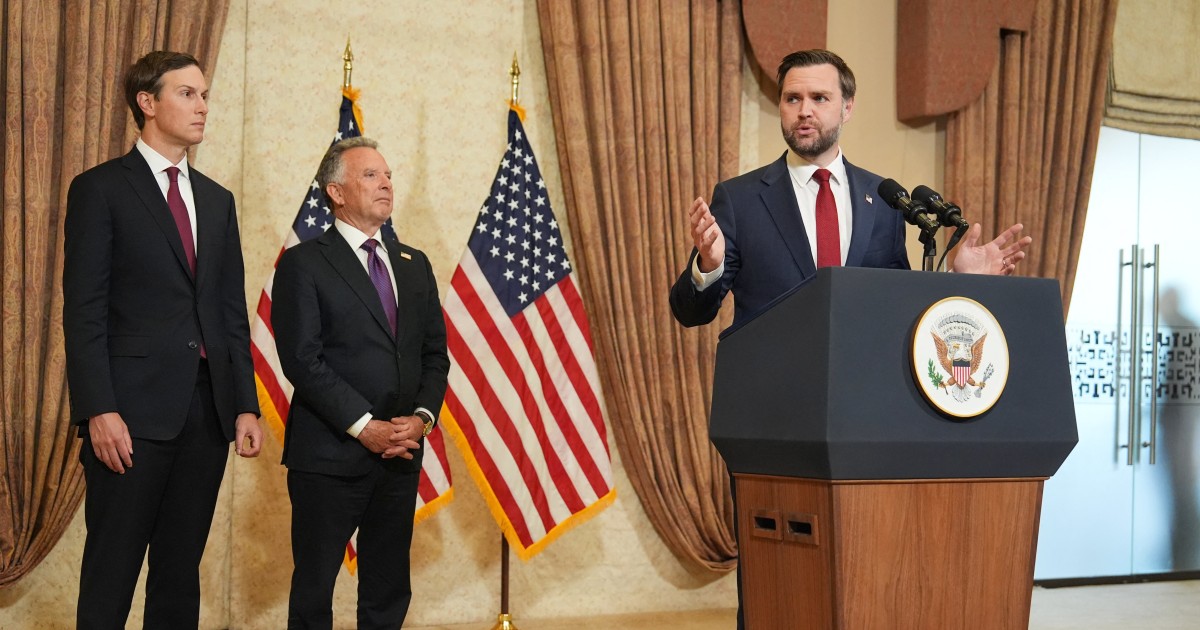
Negotiators from the United States and Iran concluded talks in Pakistan without reaching a peace agreement, potentially leading to a resumption of hostilities. Vice President JD Vance expressed disappointment at the lack of progress and presented a final proposal for consideration by the Iranians. The failure to secure a lasting ceasefire in Islamabad raises concerns about the possibility of renewed conflict, with President Donald Trump previously threatening severe consequences. The situation remains tense as the current ceasefire deadline approaches.
Following the conclusion of the negotiations, President Trump announced on Truth Social that he had ordered the U.S. Navy to initiate a blockade of the Strait of Hormuz, accusing Iran of extortion tactics. The president's decision comes after previous criticism of Iran for disrupting oil shipping in the vital chokepoint. The escalating tensions between the two nations highlight the fragility of the situation and the potential for further conflict in the region.
In Hungary, Prime Minister Orbán conceded defeat in the election, acknowledging the clear victory of the opposition party. Orbán expressed disappointment at the election outcome but pledged to continue serving Hungary from the opposition. The incoming leader, Magyar, received congratulations from Orbán, signaling a peaceful transition of power in the country. The political landscape in Hungary is set to undergo significant changes following the election results.
Cuban President Miguel Díaz-Canel reaffirmed his country's commitment to its current leadership and rejected calls for government changes amid pressure from the U.S. Díaz-Canel emphasized Cuba's readiness to defend itself in the face of any military aggression, highlighting the nation's determination to protect its sovereignty. The president's stance reflects Cuba's defiance against external demands for political reforms and underscores the country's resolve to maintain its current system.
In the U.S., bipartisan efforts to expel Representatives Eric Swalwell and Tony Gonzales from Congress gained momentum following allegations of sexual misconduct against both lawmakers. Swalwell is facing a sexual assault investigation in New York, while Gonzales has been accused of inappropriate behavior by multiple women. Lawmakers from both parties expressed support for expelling the two representatives, emphasizing the importance of holding elected officials accountable for their actions. The push for accountability underscores the commitment to upholding ethical standards in Congress.
As the golf season's first major tournament reaches its climax at Augusta National Golf Club, top golfers are vying for victory in a picturesque setting. The final round of the tournament is underway, with NBC News providing coverage of the thrilling competition. The prestigious event showcases the skill and talent of the world's best golfers as they compete for the coveted title.
Amid growing concerns about AI-powered cyber threats, experts are warning of a potential "Vulnpocalypse" scenario where hackers leverage artificial intelligence to exploit software vulnerabilities. The use of AI technology in cyber attacks could significantly enhance the speed and impact of malicious activities, posing risks to critical infrastructure and systems. Companies like Anthropic are taking proactive measures to address these threats by limiting access to advanced AI models that could be misused. The need for robust cybersecurity measures and collaboration to mitigate AI-related risks is paramount in safeguarding against potential cyber disasters.