Benin Presidential Election 2021: A Crucial Moment for Democracy and Governance
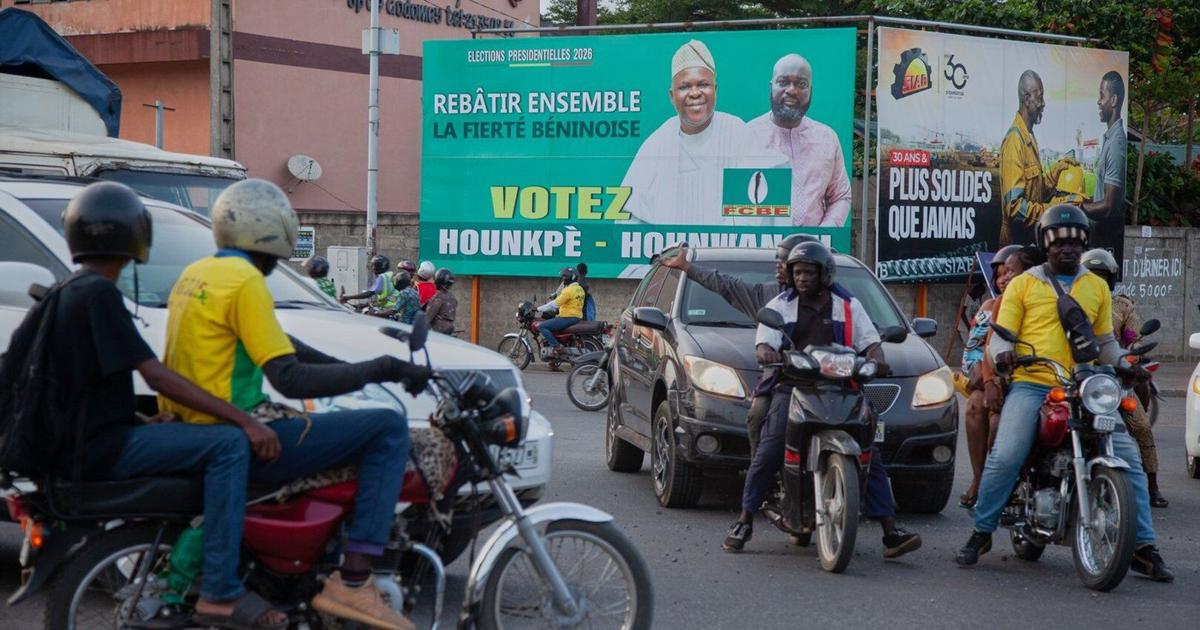
Voters in Benin went to the polls to elect a new president as incumbent President Patrice Talon steps down after ten years in office. Talon's tenure has been marked by economic growth, but also by challenges such as a rising jihadi insurgency in the north and the crackdown on opposition voices.
The leading candidate in the election is Romuald Wadagni, the finance minister and the chosen successor of President Talon. He faces competition from Paul Hounkpè, the only opposition candidate in the race.
The election in Benin is seen as a crucial moment for the country's political future, with voters deciding on the direction they want the nation to take in the post-Talon era. The outcome of the election will shape the country's governance and policies for the years to come.
As the people of Benin cast their votes, the international community is closely watching the election process to ensure that it is free, fair, and transparent. The peaceful transition of power in Benin will be a significant milestone for the country's democratic development and stability.
In conclusion, the election in Benin represents a pivotal moment in the country's history as voters choose a new leader to guide them into the future. The outcome of the election will have far-reaching implications for Benin's political landscape and its relationship with the international community.