Vice President JD Vance's Role in U.S. Peace Talks with Iran: Navigating Political Challenges and Global Implications
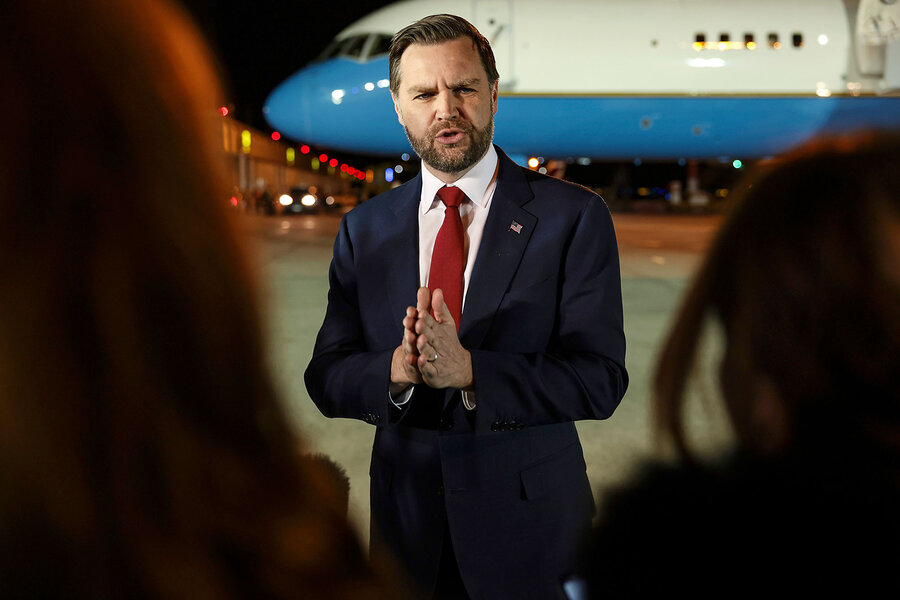
President Donald Trump has assigned Vice President JD Vance to lead U.S. peace talks with Iran, a crucial role with significant global implications. The talks, set to begin in Islamabad, Pakistan, aim to reach a ceasefire agreement after a six-week war initiated by the U.S. and Israel against Iran. The ceasefire is intended to pave the way for negotiations addressing Iran's nuclear ambitions, missile capabilities, economic sanctions relief, and the reopening of the Strait of Hormuz.
Vice President Vance's anti-interventionist stance has raised concerns about his support for the war against Iran. Despite his private skepticism, he is now tasked with leading peace talks, potentially as a loyalty test set by President Trump. This puts Vance in a challenging political position, as he must defend the war in Iran while navigating his political base's divided opinions on the conflict and its consequences.
Traditionally, vice presidents are not primary figures in peace talks to end wars, making Vance's role unique. As he prepares for a potential presidential run in 2028, Vance faces the challenge of establishing his political identity and addressing the fallout from the ongoing conflict with Iran. The outcome of the peace talks and the ceasefire's stability will significantly impact Vance's political future and his relationship with President Trump.
In conclusion, Vice President JD Vance's involvement in U.S. peace talks with Iran marks a critical juncture in his political career. As he navigates the complexities of the conflict and seeks to secure a lasting ceasefire, Vance faces challenges that could shape his future aspirations and political legacy. The success or failure of the negotiations will have far-reaching implications for both Vance and the broader geopolitical landscape.