Religious Texts in Texas Schools: A Debate on Curriculum and Constitutional Rights
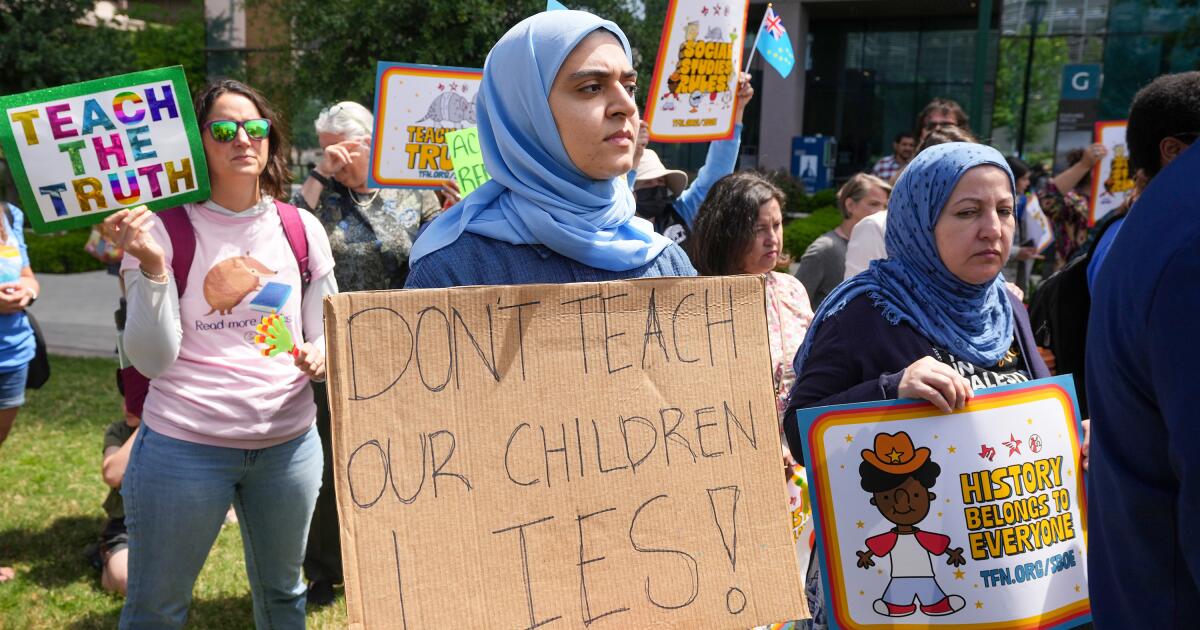
Texas public schools are considering including biblical stories like Jonah and the whale in their reading list for students. This proposal has sparked a heated debate over the role of religion in classrooms, with religious leaders, teachers, parents, and students voicing their opinions. The push to incorporate religion in schools is part of a broader trend in the U.S., particularly in Republican-led states like Texas, where efforts to expand religious expression in public schools have gained momentum.
President Trump has pledged to protect and expand religious expression in public schools nationwide, and Texas, as a significant red state with a large student population, often sets the agenda for such initiatives. In recent years, Texas has allowed chaplains in schools and mandated the display of the Ten Commandments, although some districts have faced legal challenges over these decisions. The current debate over the reading list in Texas could have far-reaching implications, as it raises questions about the constitutionality of including religious texts in public school curriculum.
Supporters of including biblical stories in the reading list argue that these passages are essential for understanding the nation's history and morals. They believe that teaching these stories is a way to impart truth and uphold the Christian values on which the country was founded. However, opponents, citing the establishment clause of the 1st Amendment, argue that including religious texts in public school curriculum amounts to proselytization and violates the separation of church and state. They emphasize the importance of distinguishing between teaching about religion and teaching religion in public schools.
The proposed reading list includes a mix of religious texts, classic literature, and works by famous historical figures. Third-graders would learn about the Road to Damascus, while seniors would study the Book of Job. In addition to biblical stories, the list includes works by authors like Dr. Seuss and stories about national heroes like Daniel Boone. The Texas State Board of Education is expected to vote on the final list in June, with potential changes taking effect in 2030.
The debate over the reading list reflects broader discussions about curriculum standards in Texas schools. Critics have raised concerns about the state-centric focus of social studies standards and the lack of emphasis on global events. Some argue that a curriculum that promotes American exceptionalism and overlooks diverse perspectives may hinder students' understanding of fundamental principles like liberty and responsibility. As the state board considers revisions to the curriculum, stakeholders are urging a reevaluation of the standards to ensure a comprehensive and balanced education for Texas students.