Examining the Accuracy of President Trump's Administration's Anti-Fraud Efforts in New York's Medicaid Program
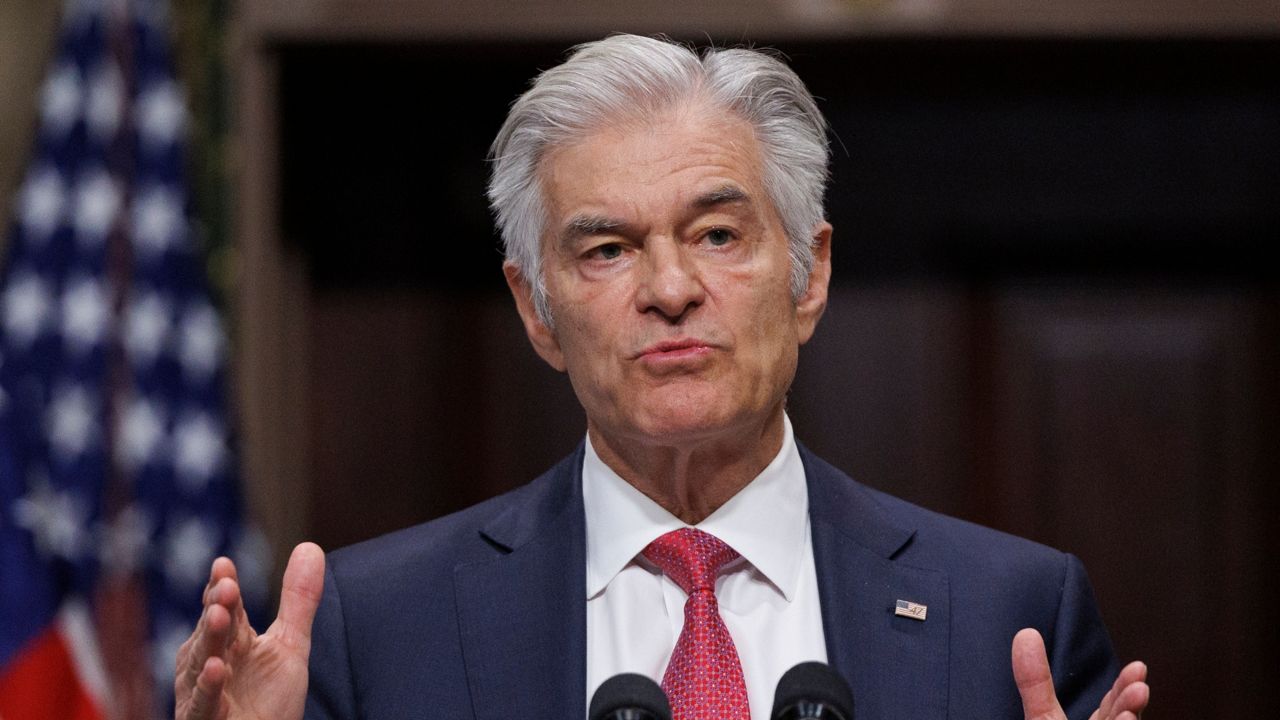
President Donald Trump's administration recently admitted to a significant error in the data used to support a fraud investigation into New York's Medicaid program. This mistake has raised questions about the accuracy of the administration's anti-fraud efforts and highlighted a tendency to act before verifying facts. The error was related to the number of people receiving personal care services in New York's Medicaid program, with the actual figure being much lower than initially claimed.
Dr. Mehmet Oz, the administrator of the Centers for Medicare & Medicaid Services, inaccurately stated that 5 million New Yorkers received personal care services last year, representing a vast majority of Medicaid enrollees in the state. However, the real number was around 450,000 individuals, constituting a much smaller percentage of total enrollees. The administration acknowledged the error and attributed it to a misidentification of billing codes, promising to refine its methodology.
Despite the error, the investigation into New York's Medicaid program is ongoing, with concerns remaining about oversight and spending. The state's high spending on personal care services reflects both the cost of services in New York and a deliberate policy choice to prioritize at-home care. New York officials have refuted the initial mischaracterizations and emphasized their commitment to protecting Medicaid programs that serve the state's residents.
The Trump administration's approach to investigating potential health care fraud in multiple states, including California, Florida, Maine, and Minnesota, has drawn scrutiny. The administration's anti-fraud efforts have expanded, coinciding with voter concerns about affordability ahead of the midterm elections. While the administration has taken steps to address fraud, critics worry that the adversarial approach may politicize the issue and hinder collaborative efforts to improve the Medicaid program.
Inaccurate claims made by Dr. Oz in his video about New York's Medicaid program have been challenged by Medicaid advocates and beneficiaries. Contrary to his assertions, the state did not relax eligibility criteria for personal care services but instead made requirements more stringent. The discrepancies in the administration's portrayal of New York's Medicaid program highlight the importance of accurate data and collaborative efforts to address fraud and improve program integrity.