Defending Trump: The Christian Right's Narrative of Persecution and Loyalty
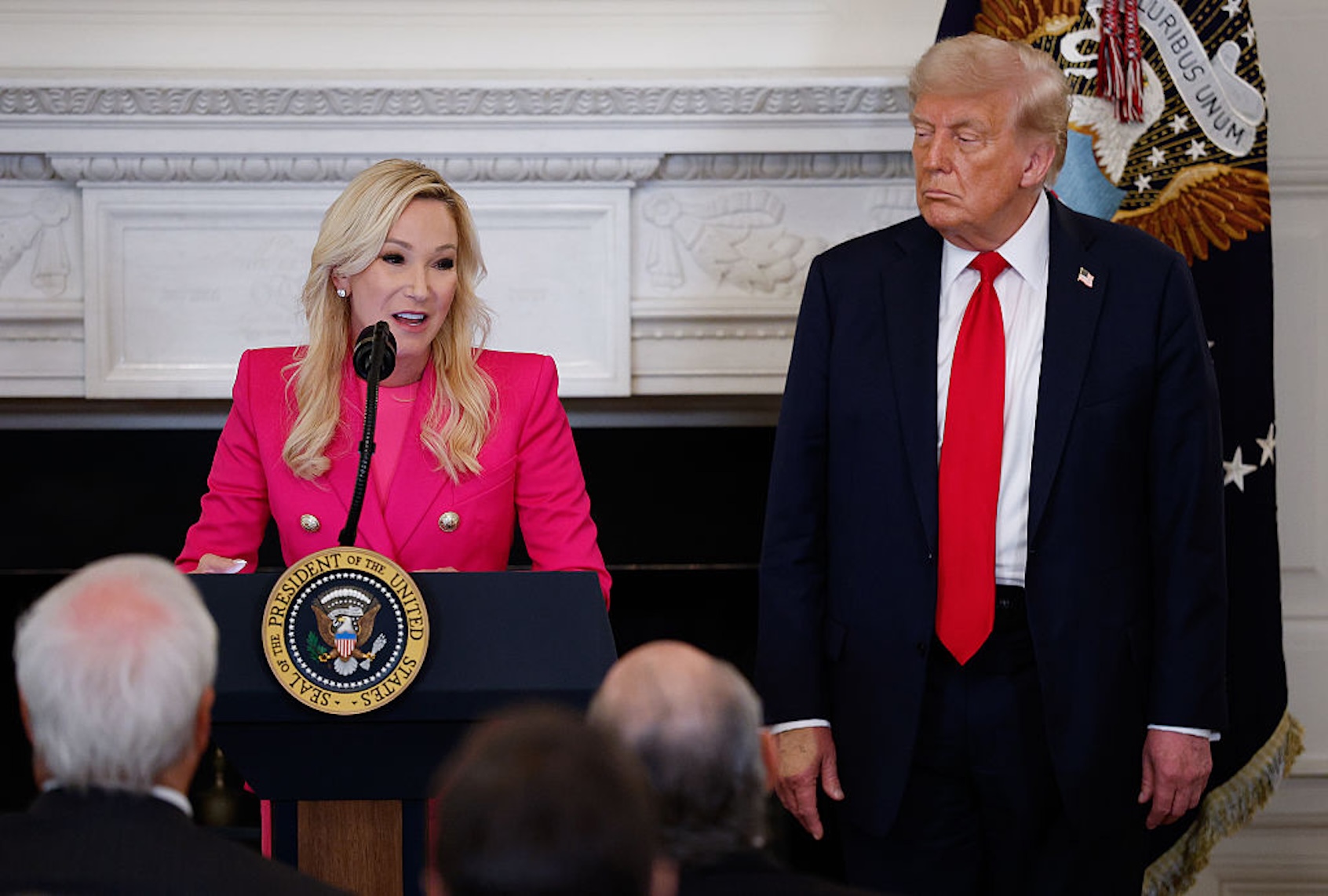
Donald Trump, who identifies as a Christian, made a controversial threat on Easter Sunday during his ongoing conflict with Iran. He demanded that Iran open the Strait of Hormuz to international oil tankers or face bombing civilian infrastructure, a move that could result in numerous casualties. Despite this aggressive stance, Trump was praised at an Easter luncheon for his perceived sacrifices, with evangelical minister Paula White comparing him to Jesus Christ. This comparison reflects a trend among conservative Christians to support Trump despite his questionable actions.
The Christian right has long defended Trump by claiming they are persecuted for their beliefs, portraying themselves as victims in a society they view as hostile to their faith. This narrative allows them to overlook Trump's flaws and support him as a defender against perceived threats. Even as the conflict with Iran escalates, evangelical supporters continue to justify their allegiance to Trump by framing it as a battle against oppression.
The comparison between Trump and Jesus Christ has been echoed by some conservative figures, such as pundit Erick Erickson, who downplayed Trump's controversial Easter statement in favor of criticizing other issues. This tactic of deflecting attention from Trump's actions to focus on perceived threats to Christianity is a common strategy among his supporters. The narrative of persecution serves as a shield for Trump's supporters, allowing them to maintain their loyalty despite mounting criticism.
The conflict between the Trump administration and Pope Leo XIV over the Iran war highlights the challenges faced by the Christian right in justifying their support for the conflict. While some evangelical leaders continue to defend Trump's actions, others are beginning to question the morality of the war. The narrative of religious persecution remains a powerful tool for Trump's supporters, but cracks are starting to appear as more voices within the evangelical community speak out against the conflict.
Despite the growing dissent within the evangelical community, Trump continues to cultivate his image as a protector of Christians against persecution. His administration's efforts to frame the conflict with Iran as a defense of religious freedom are aimed at maintaining support among white evangelicals, his most loyal base. The narrative of persecution, while increasingly challenged, still resonates with many within the evangelical community, allowing them to overlook the moral complexities of Trump's actions.
In conclusion, the Christian right's narrative of persecution serves as a shield for their continued support of Trump, even in the face of escalating conflicts like the war with Iran. While some voices within the evangelical community are beginning to question this narrative, many still cling to the belief that they are under attack and that Trump is their defender. The ongoing conflict between the Trump administration and religious leaders highlights the challenges faced by the Christian right in reconciling their faith with their political allegiances.