The Decline of Trump's Support Among Minority Voters: A Reflection on Economic Disparities and Racial Wealth Gap
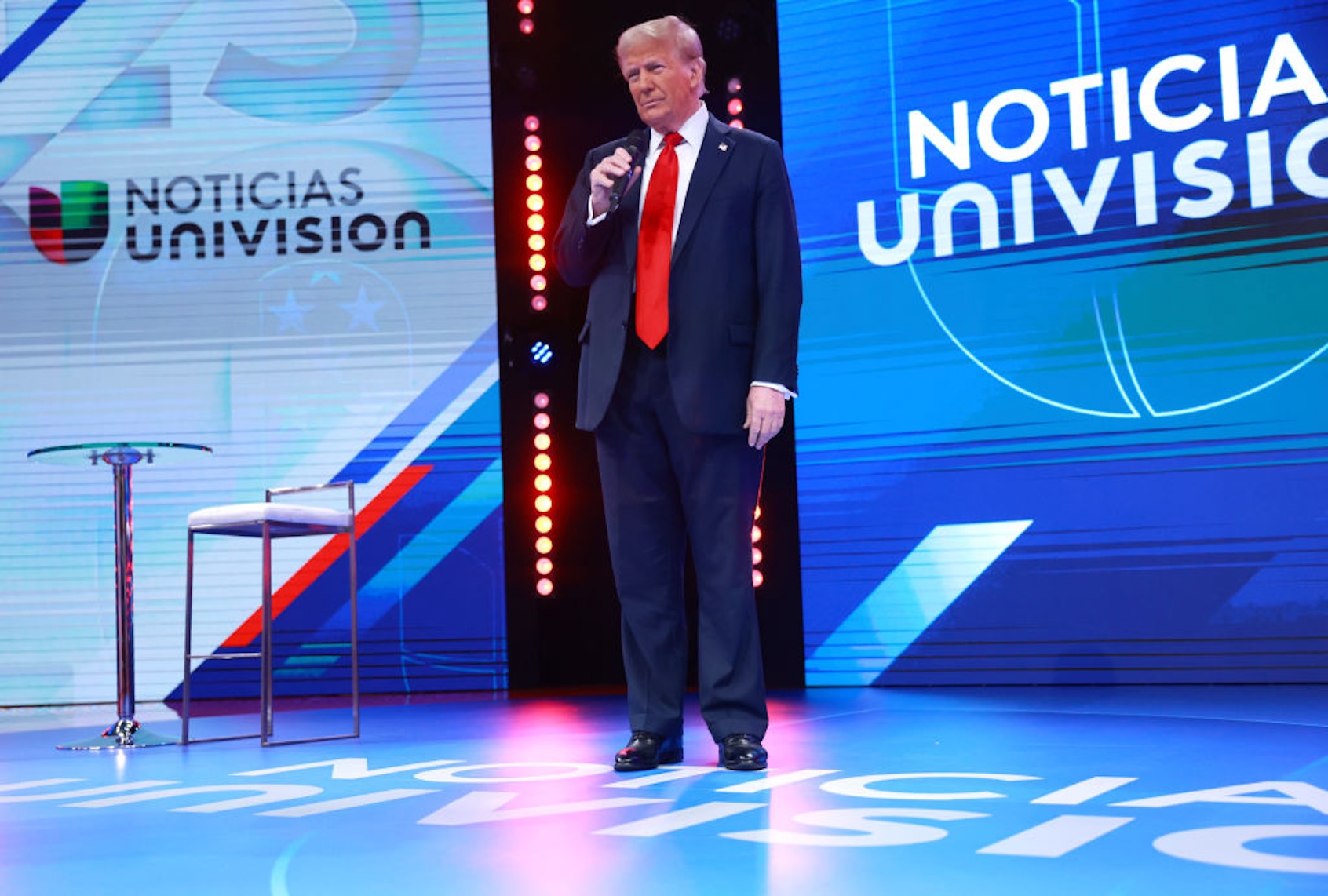
Donald Trump, a controversial figure, has built his political career on false promises and exploiting people's anger and resentment. In his bid for the 2024 presidential election, he managed to attract a diverse group of supporters, including young men, first-time voters, independents, and members of the manosphere. However, as his presidency progressed, many of these supporters became disillusioned with his leadership and policies. Recent polls indicate a decline in support for Trump among various demographic groups, including young men, African Americans, working-class voters, and independents. Despite this, he still maintains a strong following among his loyal MAGA supporters.
Latinos played a significant role in Trump's return to the White House, but even they are now expressing regret or disappointment over their decision to support him. The decline in Latino wealth during Trump's presidency has been substantial, with a decrease of over 20% in the share of the nation's wealth held by Latinos. This loss amounts to approximately $1 trillion in dollar terms. Similarly, Black Americans have also experienced a decline in wealth due to Trump's policies, particularly the Big Beautiful Bill Act and other tax and budget measures implemented by congressional Republicans.
While minority communities have suffered economic setbacks under Trump's administration, the billionaire class has thrived, with a 20% increase in total wealth in 2025 alone. This disparity in wealth distribution highlights the racial wealth gap that has widened under Trump's leadership. The administration's policies have disproportionately favored the wealthy, who are predominantly white, at the expense of minority communities.
The intersection of race and class in America is evident in the economic impact of Trump's policies on minority groups. The racial wealth gap, exacerbated by Trump's plutocratic agenda, reflects a broader trend of wealth transfer from marginalized communities to the rich and corporations. This systemic inequality not only harms Black and brown Americans but also has negative consequences for white Americans and the overall economy. Racism and discrimination have been estimated to cost the U.S. economy around $1 trillion annually in lost productivity and economic growth.
Despite the fractures within Trump's coalition and the disillusionment among some of his supporters, there remains a core group of loyalists, including Latinos and other non-whites, who continue to support him and the MAGA ideology. This unwavering loyalty, even in the face of detrimental policies and actions, underscores the psychological attachment that some individuals have to Trump and his leadership. Moving forward, Democrats must present a compelling alternative to attract disenchanted Trump supporters, particularly minority voters, by offering concrete solutions to address their economic concerns and restore prosperity for all Americans.
In conclusion, the decline in support for Trump among various demographic groups, including Latinos and African Americans, reflects a growing dissatisfaction with his presidency and policies. The widening racial wealth gap and economic disparities under Trump's administration have underscored the need for a more inclusive and equitable approach to governance. As the political landscape evolves, Democrats must seize the opportunity to engage disaffected voters and present a vision for a more prosperous and equitable future for all Americans.