Bitcoin Payments for Oil Transit: Iran's Innovative Approach to Securing the Strait of Hormuz
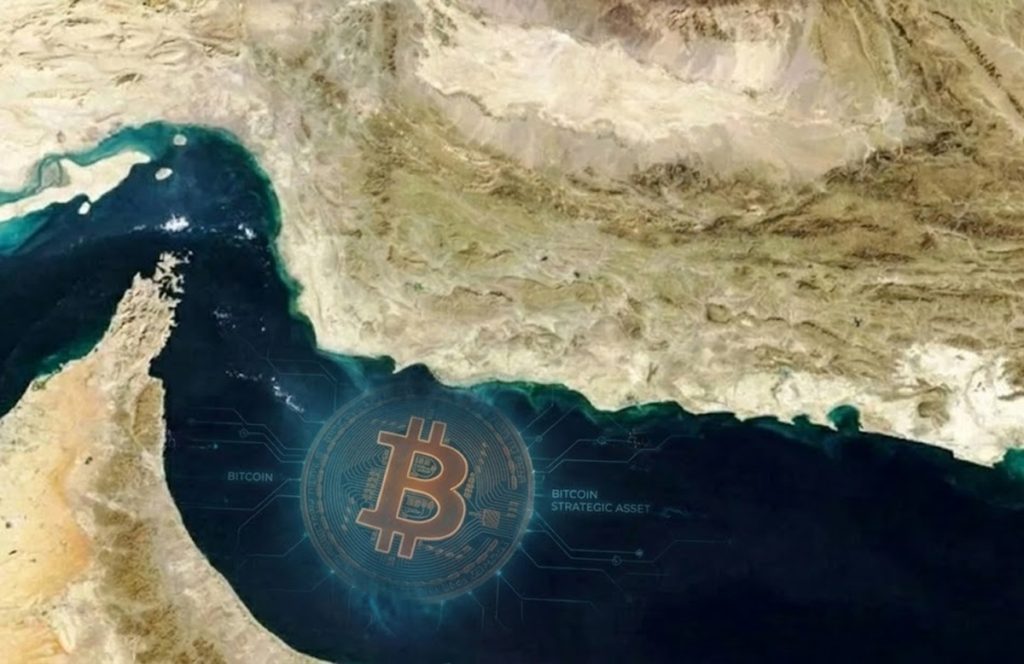
Iran is exploring the possibility of accepting Bitcoin (BTC) as a form of payment for transit through the Strait of Hormuz. The Iranian Oil, Gas, and Petrochemical Products Association spokesperson, Hamid Hosseini, mentioned that the proposed tariff would be $1 per barrel, and payments could be made using various cryptocurrencies, including Bitcoin. This news led to a slight increase in the price of Bitcoin, which is currently trading around $72,600. Iran aims to collect transit fees from all oil tankers passing through the Strait of Hormuz and conduct individual inspections on each ship to prevent arms smuggling during a two-week ceasefire period.
Hosseini emphasized the importance of monitoring entries and exits through the strait to ensure its security. He mentioned that Iran charges $1 per barrel for transit fees from oil tankers and requires shippers to pay in Bitcoin or other cryptocurrencies within seconds after the inspection is completed. This rapid payment process aims to prevent the funds from being tracked or seized due to sanctions imposed on Iran. The use of cryptocurrencies like Bitcoin for these transactions provides a level of anonymity and security for both parties involved in the payment process.
In conclusion, Iran's consideration of accepting Bitcoin for transit payments through the Strait of Hormuz reflects a growing trend of using cryptocurrencies in international transactions. This move could potentially streamline the payment process for oil tankers passing through the strait and enhance the security measures in place to prevent illicit activities. The adoption of Bitcoin as a payment method in this context highlights the evolving landscape of digital currencies and their applications in various industries, including the oil and gas sector.