Balancing Mental Health Response and Public Safety: Lessons from Boston's Crisis Intervention Model
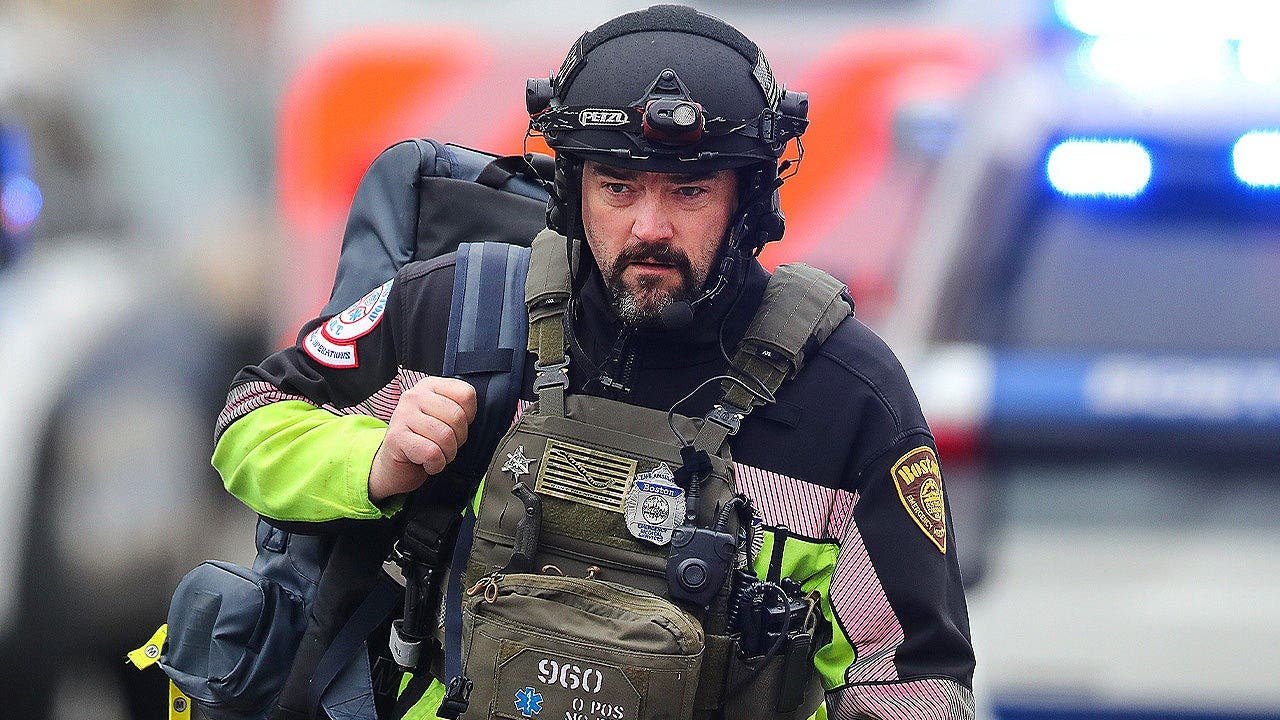
Boston officials have been implementing a mental health-first response model to reduce police involvement in psychiatric emergencies following the George Floyd protests. The city's approach is based on the Boston Emergency Services Team (BEST) partnership, which has been in place since 2011. In April 2021, Boston launched a pilot program to increase the role of mental health workers in crisis calls. However, this strategy faced scrutiny after a man in crisis stabbed a police officer, highlighting the challenges of balancing mental health response and public safety.
The incident occurred when officers responded to a call about armed individuals outside an apartment near Northeastern University. After determining the man needed psychiatric help, EMS and a mental health clinician were requested through the BEST program. Despite efforts to engage with the man for treatment, he emerged carrying a sword, stabbed an officer, and was subsequently subdued by police using a Taser and firearm. Tragically, the individual succumbed to the injuries sustained during the altercation.
The injured officer received immediate medical attention, and additional personnel involved in the incident were taken to the hospital with non-life-threatening injuries. The Boston EMS emphasized the risks faced by their members in responding to emergencies and condemned the violence against first responders. The incident serves as a stark reminder of the challenges and dangers inherent in emergency response work, highlighting the need for ongoing support and resources for those on the front lines.
The Boston Police are conducting an investigation into the incident, and further details are awaited. The city's efforts to prioritize mental health in crisis response underscore the complexities of balancing public safety and mental health support. As the community grapples with the aftermath of this tragic event, it is essential to continue evaluating and refining response protocols to ensure the well-being of both individuals in crisis and emergency responders.