Title: Examining Pennsylvania Counties' Immigration Detention Agreements: Financial Benefits vs. Ethical Concerns
Pennsylvania counties have been billing the federal government over $21 million to detain immigrants in their jails, a practice that has been ongoing for years. These agreements have come under scrutiny as the current administration ramps up deportation efforts, relying heavily on local partners. Counties like Clinton, Erie, Franklin, and Pike have charged significant fees for holding immigrants in their jails, with some agreements dating back decades. The revenue generated from these agreements supports county services, but they have faced pushback from some community members.
The agreements allow federal immigration enforcement agencies to detain immigrants in county jails for various periods, with fees ranging from $82 to $120 per person per day. Some counties have also billed for additional services like medical care, transportation, and meals. The revenue generated from these agreements has become a crucial income source for some counties, but they have faced criticism for collaborating with federal immigration agencies.
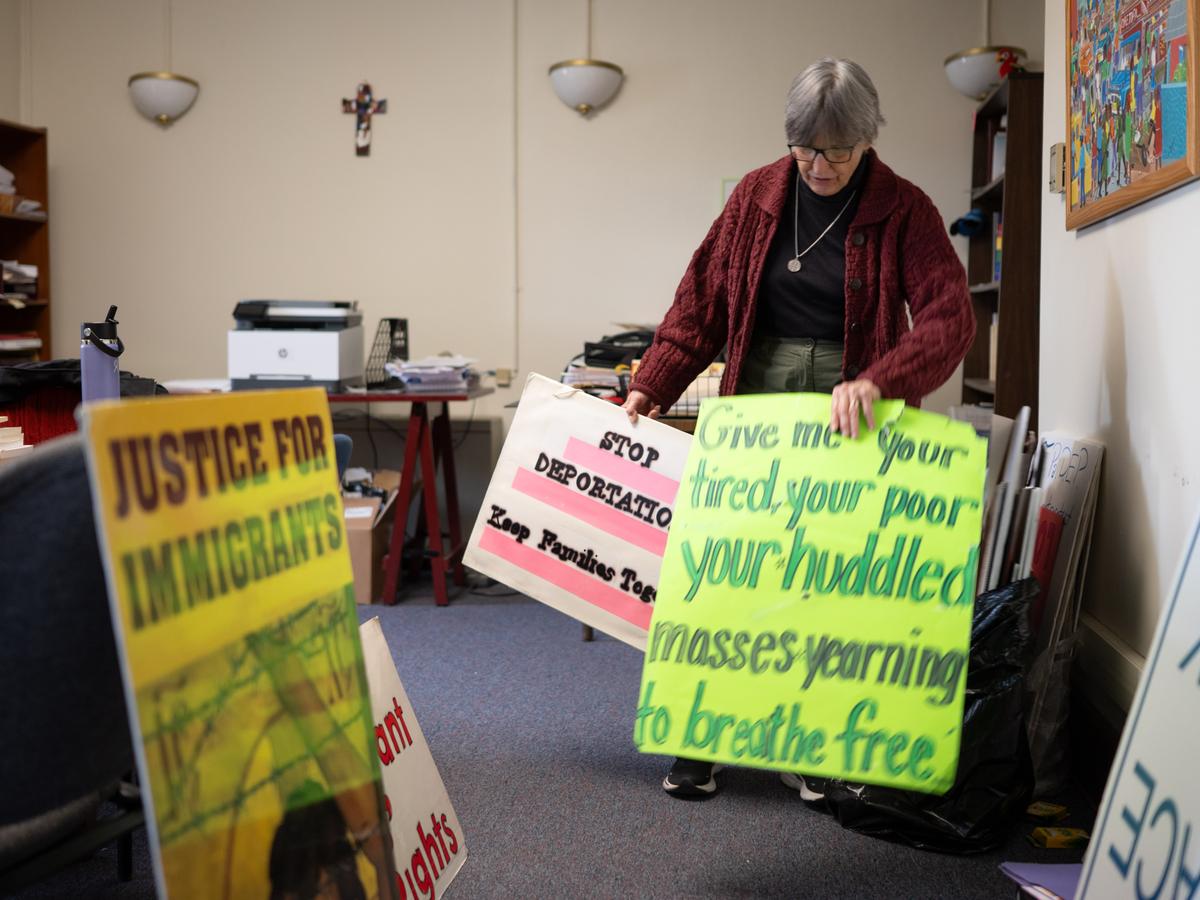
While some county officials support the agreements due to the financial benefits they bring, others have raised concerns about the morality and implications of collaborating with ICE. Advocates have called for an end to these agreements, citing the negative impact on local communities and the lack of trust in federal agencies like ICE. In response to public pressure, some counties have amended or ended their agreements with federal immigration agencies, signaling a shift in local cooperation with ICE.
As counties navigate the financial implications of ending these agreements, they are also considering the ethical and practical aspects of collaborating with federal immigration agencies. The debate over these detention agreements reflects broader concerns about immigration enforcement practices and the role of local governments in supporting federal initiatives. Ultimately, the decision to continue or end these agreements will have significant implications for both counties and the immigrant communities they serve.