Unearthing the Past: Archaeology and Politics in the West Bank
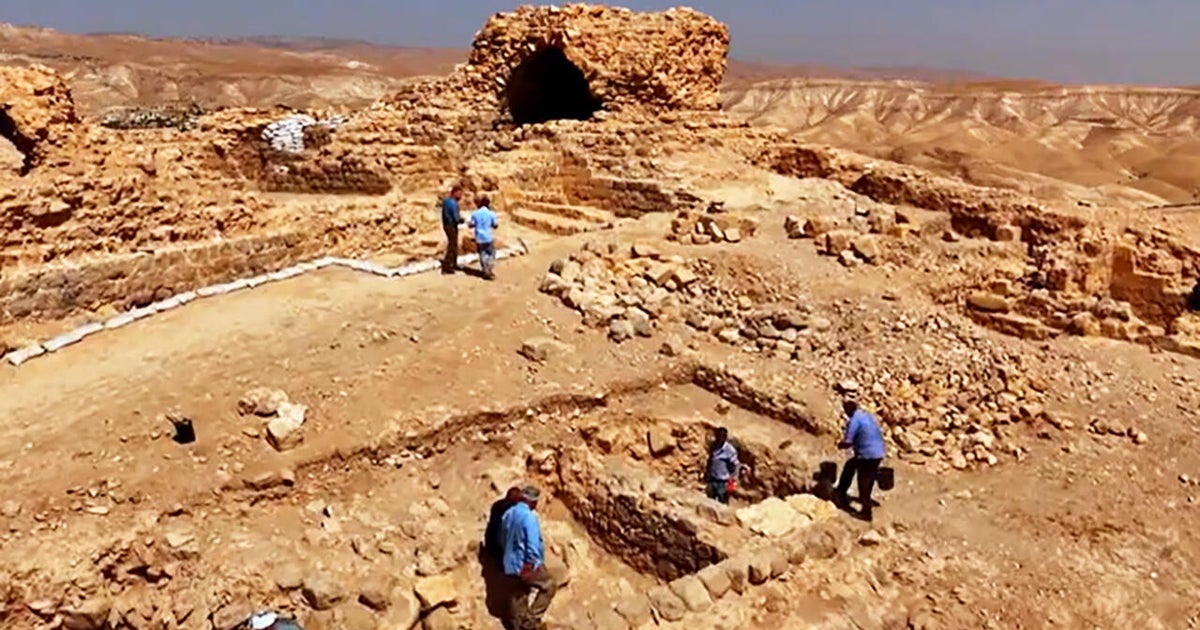
In the Judean desert, the ancient site of Tala'at Ad-Dam is being excavated, revealing a complex history. This area was once known as Judea, a region that has been conquered by various empires over the centuries. The site is part of the West Bank, also referred to as Judea and Samaria, which the U.N. designates as occupied Palestinian territory. Eyal Freiman, an archeologist with Israel's Civil Administration of Judea and Samaria, emphasizes the importance of preserving and making accessible archaeological sites in the region.
Archaeology in the West Bank has become a contentious issue, with some claiming that it has been used to assert Jewish historical ties to the land and to support settlement expansion. Talya Ezrahi from Emek Shaveh, an Israeli archeology group, argues that archaeology has been weaponized to exclude Palestinians from certain areas. The case of Nebi Samuel, where a Palestinian village was dismantled to create a tourist site, exemplifies the impact of archaeological excavations on local communities.
Israeli archaeologists like Adi Shragai stress the importance of protecting ancient sites in the West Bank, such as the town of Sebastia, which was once the capital of the Kingdom of Israel. However, tensions arise as Palestinians are often restricted from accessing these sites during Israeli excavations. The issue of land expropriation and displacement of Palestinian families further complicates the relationship between archaeology and politics in the region.
Rafi Greenberg, a professor of archaeology, acknowledges the political implications of archaeological work in the West Bank. He highlights the role of archaeology in shaping narratives and identities, as seen in the City of David, a site associated with King David. The Israeli government's involvement in archaeological projects in the West Bank has raised concerns about the use of antiquities to advance political agendas and control land.
Minister of Heritage Amichai Eliyahu views archaeology as a way to validate Jewish historical claims to the land, citing artifacts like a ring with Hebrew inscriptions found in the West Bank. He dismisses Palestinian historical narratives and asserts that the land belongs to the Jewish people. The conflicting narratives and interpretations of history underscore the complexity of archaeological work in the region.
The debate over archaeological sites in the West Bank reflects broader political and cultural tensions between Israelis and Palestinians. Both sides lay claim to the land based on their respective histories and heritage. As archaeological excavations continue to uncover layers of the past, the question of who has the right to interpret and preserve this history remains a contentious issue.