Guarding Cultural Treasures: The Implications of Museum Heists on Global Art Security
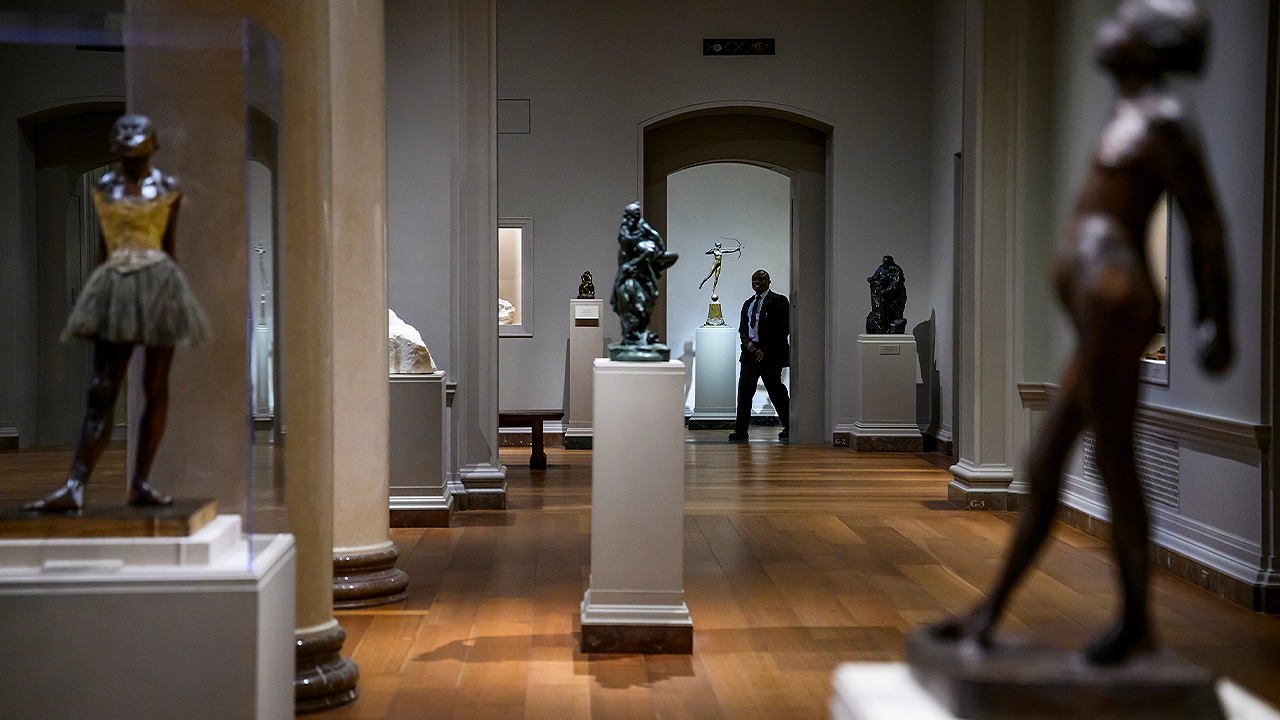
A recent museum heist in Italy has sparked concerns about the vulnerability of museums worldwide, including in the United States. The theft of valuable artworks from the Magnani Rocca Foundation has shed light on the ease with which such crimes can be committed. According to a former FBI agent, stealing artwork is often a simple act of breaking in and taking the pieces.
The theft in Italy involved the disappearance of works by renowned artists like Renoir, Cézanne, and Matisse, raising questions about the security measures in place at museums. Unlike banks or vaults, museums are designed to be open and welcoming to the public, making them susceptible to opportunistic criminals. The U.S. has experienced its share of high-profile art thefts, such as the infamous robbery at the Isabella Stewart Gardner Museum in Boston in 1990.
While Hollywood glamorizes art heists as elaborate operations, real-world cases are often more straightforward, involving smash-and-grab tactics. Thieves may exploit insider knowledge or basic security weaknesses to carry out these crimes. Implementing simple security upgrades, like securing valuable pieces and improving surveillance, can deter thieves and aid law enforcement in responding to incidents.
Despite the daring nature of museum thefts, the challenge for criminals lies in monetizing the stolen artwork. Contrary to popular belief, there is little demand for well-known stolen masterpieces, making it difficult for thieves to profit from their crimes. Advances in technology have made it easier to track stolen artwork and apprehend suspects, emphasizing the risks involved in stealing cultural heritage.
Law enforcement agencies have access to surveillance tools that make it challenging for criminals to evade capture. While these crimes continue to occur globally, museums must remain vigilant and enhance their security measures to protect valuable artworks. The theft of cultural heritage not only results in financial losses but also deprives society of its shared history and artistic legacy.
The recent museum heist serves as a reminder for American institutions to bolster their security protocols and safeguard their collections. By staying alert and continuously improving security measures, museums can mitigate the risk of becoming targets for art thieves. Protecting cultural heritage is paramount, as stolen artworks represent a loss for society as a whole.