Preserving Tokyo's Aging Somei Yoshino Cherry Blossom Trees: Ensuring Safety and Longevity
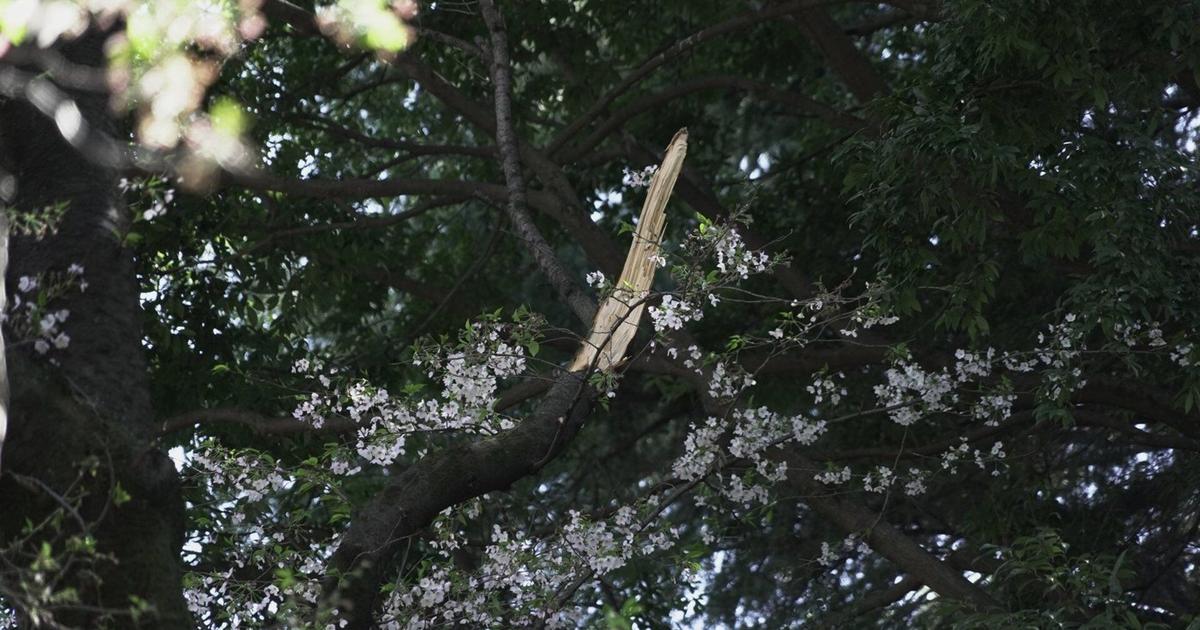
Tokyo's beloved Somei Yoshino cherry blossom trees, which were planted during Japan's postwar growth in the 1960s, are showing signs of aging and fragility. As these iconic trees reach old age, some have already fallen, while others need additional support to prevent accidents and ensure safety during the cherished cherry blossom season.
The aging cherry blossom trees in Tokyo are a cause for concern as they have become vulnerable to damage and pose a safety risk to visitors and locals alike. The need for support and maintenance has become crucial to preserve these historic trees and prevent any potential accidents or injuries during the popular cherry blossom season.
Efforts are being made to address the issue of the aging Somei Yoshino cherry blossom trees in Tokyo, with a focus on providing the necessary support and care to ensure their longevity and safety. As these iconic trees hold significant cultural and historical value, it is essential to take proactive measures to protect and preserve them for future generations to enjoy.
In conclusion, the aging Somei Yoshino cherry blossom trees in Tokyo are a reminder of the passage of time and the importance of preserving Japan's cultural heritage. By taking steps to support and maintain these iconic trees, we can ensure that they continue to bloom and bring joy to visitors and locals during the cherished cherry blossom season for years to come.