Elite Air Force Units: The Role of Combat Search and Rescue (CSAR) Missions in Retrieving Downed Pilots
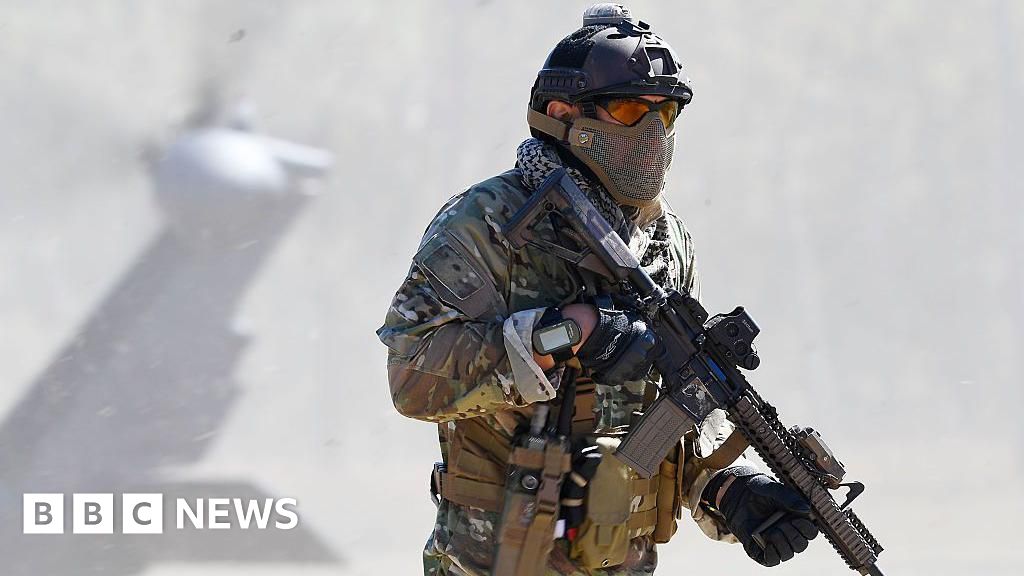
Reports suggest that the pilot of a US F-15 fighter jet that was downed over Iran has been rescued, with ongoing search efforts for a second crew member. Combat search and rescue (CSAR) missions are complex and time-sensitive operations conducted by elite Air Force units to locate and aid personnel in need, such as downed pilots and isolated troops. These missions take place in hostile environments and are crucial for retrieving personnel in enemy territory. Helicopters, refueling aircraft, and military support are often utilized in modern CSAR missions, which have a long history dating back to the First World War.
The US military's Pararescue units, established during the Vietnam War, play a key role in CSAR missions, with a focus on finding and rescuing military personnel. Pararescuemen undergo rigorous training in combat, paramedic skills, survival tactics, and specialized courses in battlefield medicine. These highly trained personnel are led by Combat Rescue Officers and have been involved in numerous rescue missions during conflicts in Iraq and Afghanistan. Their motto, "These Things We Do, That Others May Live," reflects their commitment to not leaving any servicemembers behind.
CSAR missions have been instrumental in recovering downed pilots in past conflicts, such as the 1999 recovery of an F-117 pilot in Serbia and the high-profile rescue of pilot Scott O'Grady in Bosnia in 1995. These missions demonstrate the dedication and expertise of Pararescue teams in ensuring the safe retrieval of personnel in challenging and dangerous situations.