Cross-Coastal Cultural Exchange: Dudamel's Impact on the New York Philharmonic and the Met
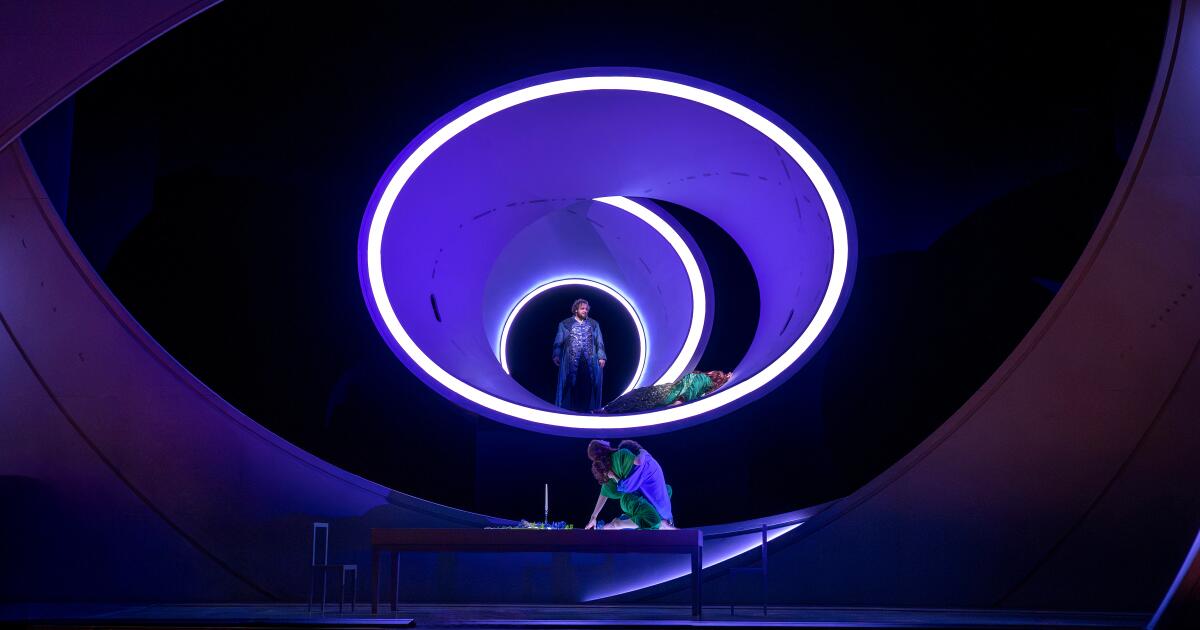
A recent visit to New York from Los Angeles highlighted the stark differences in weather between the two cities. Despite the cold temperatures in Manhattan, Gustavo Dudamel brought a touch of L.A. energy to the New York Philharmonic, setting the stage for his upcoming role as music and artistic director. The Metropolitan Opera, in search of funding and excitement, turned to a new production of Wagner’s “Tristan und Isolde” directed by Yuval Sharon, known for his work with L.A.’s experimental opera company, the Industry.
Benjamin Millepied’s LA Dance Project also made an appearance in New York with a site-specific performance of “Romeo and Juliet,” originally choreographed for Los Angeles venues in collaboration with Dudamel and the Los Angeles Philharmonic. Dudamel’s influence on the New York Philharmonic is evident in their embrace of his charismatic leadership style, despite some initial skepticism from hardcore New Yorkers.
Dudamel’s recent programs in New York showcased a blend of classical music and civic conscientiousness, with performances of Beethoven’s “Eroica” symphony and David Lang’s “the wealth of nations.” Lang’s oratorio, inspired by Adam Smith’s economic theories, prompted reflection on societal progress and equality, challenging the audience to consider the role of politics in shaping a just society.
Dudamel’s ambitious plans for the New York Philharmonic involve taking the orchestra out of the concert hall and into the city, mirroring his successful initiatives in Los Angeles. Meanwhile, Yuval Sharon’s innovative staging of Wagner’s “Tristan und Isolde” at the Met highlighted the transformative power of opera through ritualistic performances and compelling visuals.
Despite the cultural exchange between Los Angeles and New York, challenges persist in securing funding for the arts. Nonprofit organizations like Long Beach Opera face budget constraints, while smaller companies struggle to sustain their operations. The cancellation of Musica Angelica’s season serves as a reminder of the financial pressures facing arts organizations, underscoring the need for continued support and investment in the cultural sector.
As the arts landscape evolves and adapts to changing economic realities, the optimism and creativity of artists like Dudamel and Sharon offer a beacon of hope for the future of classical music and opera. By fostering a spirit of adventure and innovation, these visionary leaders are reshaping the cultural scene in both Los Angeles and New York, inspiring audiences to engage with art in new and meaningful ways.