Redefining Idol Culture: The Rise of Alt-Idol Groups in China
In recent years, the rise of idol culture in East Asia has propelled countries like Japan and South Korea to the forefront of the global pop music scene. Groups like BTS and EXO, meticulously trained by entertainment conglomerates, have gained massive international popularity through their catchy songs, dynamic dance routines, and strategic marketing efforts aimed at fostering a strong bond between idols and their fans. Despite China's vast population, it has struggled to produce idol groups with comparable fame, partly due to government restrictions on idol-training shows and performances by Korean pop idols within the country.
The Chinese government's crackdown on idol shows has had a significant impact on mainstream idols in China, leading to the disbandment of groups like IXFORM and Into1. This restriction has limited the opportunities for aspiring idols to establish successful careers in the industry, forcing many participants to pursue alternative paths such as acting or livestreaming. In response to the challenges faced by mainstream idols, a new wave of "alt-idol" groups has emerged in China, offering a fresh and unconventional take on the traditional idol model.
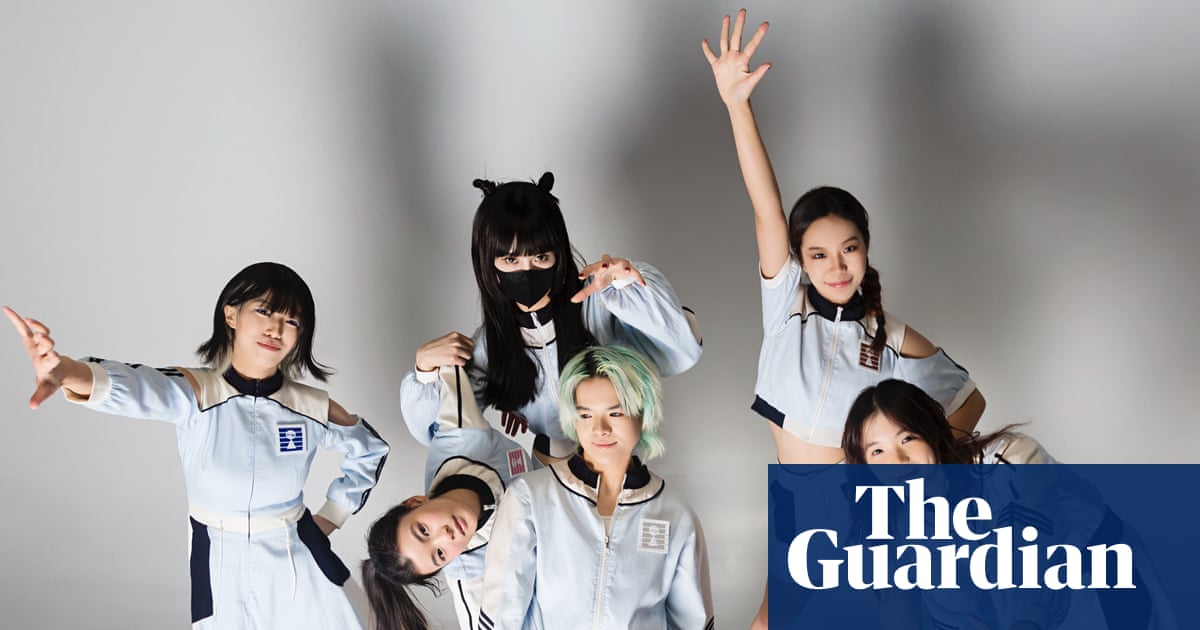
Alt-idol groups like Transparent Classroom and Parallel Girls are challenging the norms of corporate pop by prioritizing sincerity and artistic freedom over rigid industry standards. These grassroots groups, inspired by the underground idol scene in Japan, are redefining what it means to be an idol in China. By embracing diversity and individuality, these alternative groups are attracting fans who seek a departure from the mainstream idol culture dominated by well-established names like Blackpink and BTS.
The alt-idol movement in China is gaining momentum, with an increasing number of groups experimenting with different musical styles and visual aesthetics. These self-produced groups, often based outside major cities like Shanghai and Beijing, are fostering localized scenes and providing a platform for aspiring idols to showcase their talents. While the lack of commercial support poses challenges for alt-idol groups, their dedication to their craft and passion for performance drive their continued presence in the industry.
Despite the uncertainties surrounding the future of the idol sector in China, alt-idol groups like Transparent Classroom and 7Sins are carving out a niche for themselves and building a dedicated fan base. The evolving landscape of the Chinese pop music industry, including potential collaborations with international companies like Hybe, offers both opportunities and challenges for alt-idol groups. As these groups navigate the changing dynamics of the industry, their commitment to music and performance remains unwavering, driven by a shared passion for their craft and a desire to connect with audiences on a deeper level.
In conclusion, China's alt-idol scene represents a vibrant and resilient subculture within the country's pop music industry. Despite obstacles and uncertainties, these alternative groups continue to thrive, driven by the creativity, dedication, and passion of their members. The emergence of alt-idol groups in China underscores the enduring appeal of idol culture and the power of music to transcend boundaries and connect with audiences on a profound level.