Myanmar in Crisis: The Rise of General Min Aung Hlaing and the Struggle for Democracy
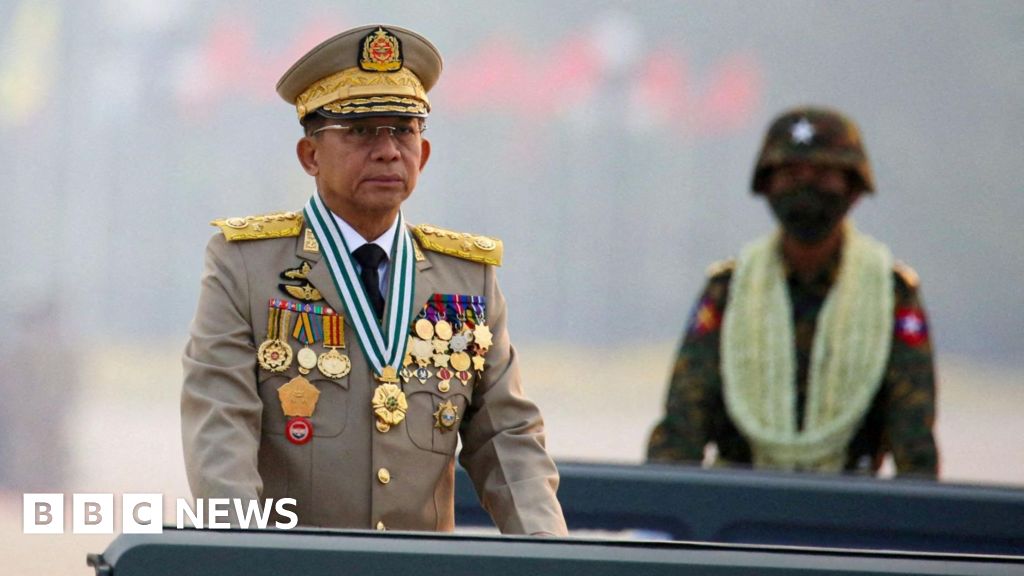
After five years since the coup against Aung San Suu Kyi's government, General Min Aung Hlaing is set to become the next president of Myanmar. The newly-elected parliament, filled with his loyalists, will choose him for the role. Despite stepping down as armed forces commander, the transition to civilian rule seems more like a coronation than a genuine election. The military is expected to maintain significant influence in the new government, with General Ye Win Oo, a hardliner, set to lead the armed forces. Additionally, a new consultative council will wield authority over both civilian and military affairs, ensuring that power remains concentrated in the hands of the military.
The aftermath of the coup has been devastating for Myanmar, with widespread public anger leading to mass protests and a civil war that has claimed thousands of lives and displaced millions. The military's brutal response to opposition has further exacerbated the situation, with indiscriminate attacks on civilian areas causing widespread destruction. Despite international assistance, the junta has managed to regain control of some territories lost to armed resistance groups. The conflict shows no signs of abating, as the military continues its oppressive tactics to maintain power.
The economic impact of the coup has been severe, with millions of people in need of life-saving aid and millions more displaced by the war. Runaway inflation and fuel shortages have further worsened living conditions for the population. The reliance on imported oil and petroleum products, coupled with restrictions on exports from neighboring countries, has led to rationing and price hikes, pushing many businesses and individuals to the brink of financial ruin. The lack of reliable electricity supply adds to the challenges faced by businesses and households, compounding the economic hardship.
In the midst of this crisis, veteran political activist Mya Aye has called for dialogue and the release of political prisoners as a way to find a compromise between the military and its opponents. He emphasizes the need for a peaceful resolution to the conflict, warning that the country is on the brink of collapse. Aung San Suu Kyi, if released, could potentially play a crucial role in finding a viable solution to the crisis. However, the narrow path to peace in Myanmar remains elusive, as the military rulers show no inclination towards genuine reconciliation or dialogue.
In conclusion, the situation in Myanmar remains dire, with the military's grip on power tightening and the population facing immense challenges. The hope for a peaceful resolution to the conflict lies in finding common ground between the military and its opponents, but the road to reconciliation is fraught with obstacles. As the country teeters on the brink of collapse, the need for dialogue, compromise, and international intervention becomes increasingly urgent to prevent further suffering and turmoil in Myanmar.