Belarusian Parliament Approves Anti-LGBTQ+ Bill: Implications and Challenges for LGBTQ+ Rights
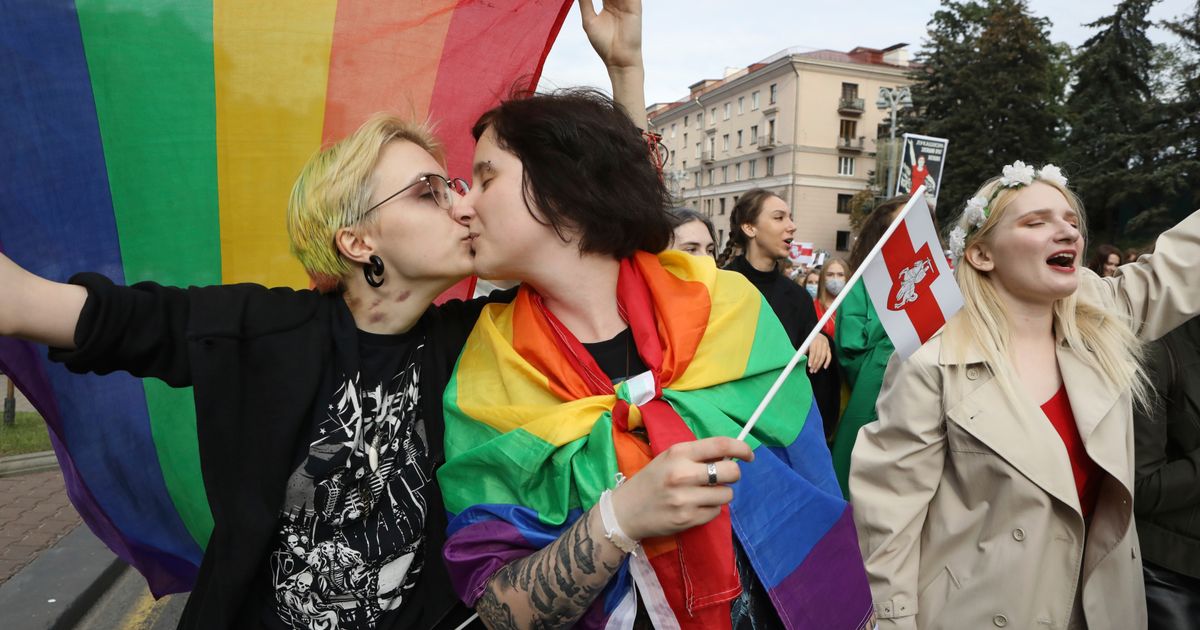
The Belarusian parliament recently approved a bill that imposes penalties on individuals who advocate for LGBTQ+ causes, mirroring similar restrictions in Russia. The legislation, which awaits President Alexander Lukashenko's signature, targets the promotion of homosexual relations, gender diversity, childlessness, and pedophilia, with fines, community service, and short-term detention as potential consequences. Despite decriminalizing homosexuality in 1994, Belarus does not recognize same-sex marriages or provide adequate protections for LGBTQ+ rights, with Lukashenko openly ridiculing homosexuality.
Western nations have imposed sanctions on Belarus for its human rights violations and complicity in Russia's invasion of Ukraine. LGBTQ+ organizations in Belarus have faced closures, and security forces frequently target private gay gatherings in nightclubs. The KGB, Belarus's security agency, has reportedly coerced LGBTQ+ individuals into collaboration through blackmail. The passage of the bill has exacerbated concerns among transgender individuals, who fear restrictions on accessing essential medications and have sought psychological support and assistance in relocating abroad.
The legislation has drawn criticism for equating LGBTQ+ individuals with pedophiles, intensifying social discrimination and marginalization. LGBTQ+ advocates in Belarus warn that the country is following Russia's repressive approach, creating hostile conditions for the LGBTQ+ community. Russia has implemented laws prohibiting gender changes on official documents, gender-affirming treatments, and public representation of LGBTQ+ individuals, branding the LGBTQ+ movement as extremist and subjecting its members to imprisonment.
In conclusion, the approval of the bill in Belarus represents a setback for LGBTQ+ rights, with the government adopting punitive measures against those advocating for LGBTQ+ causes. The legislation not only threatens the freedom and safety of LGBTQ+ individuals but also perpetuates societal stigma and discrimination. The parallels between Belarus and Russia in restricting LGBTQ+ rights underscore the challenges faced by the LGBTQ+ community in the region, highlighting the urgent need for international support and solidarity.