Artemis II Mission: Breaking Free from Earth's Orbit Towards the Moon
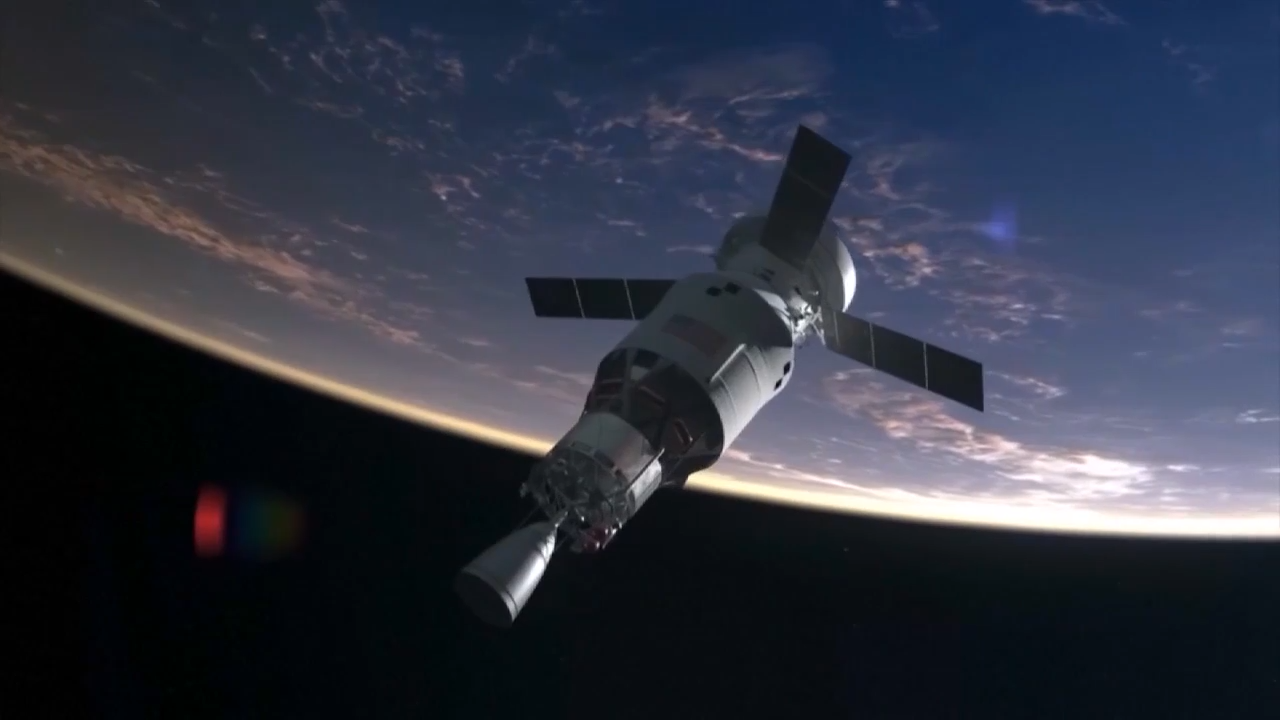
NASA's Artemis II mission saw astronauts firing their engines to head towards the moon, marking a significant step in breaking free from Earth's orbit. The crew, consisting of three Americans and a Canadian, successfully initiated the translunar ignition, propelling their Orion capsule towards the moon at a distance of nearly 250,000 miles. This maneuver, reminiscent of the Apollo era, sets the stage for a lunar fly-around in the coming days.
Following liftoff, the Artemis II crew underwent tests to ensure the functionality of their capsule's life-support systems before embarking on their journey to the moon. This mission serves as a crucial test flight for NASA's ambitious plans for establishing a moon base and enabling sustained lunar habitation. The crew, comprising Commander Reid Wiseman, pilot Victor Glover, Christina Koch, and Jeremy Hansen, will achieve a historic milestone by becoming the farthest humans have ever traveled from Earth.
The astronauts are set to surpass the distance record set by Apollo 13 in 1970, as they navigate past the moon and return to Earth without making a landing. This mission also marks a significant moment in space exploration history, with Glover, Koch, and Hansen making history as the first Black, first woman, and first non-U.S. citizen to launch towards the moon. The crew's journey will culminate in a record-breaking reentry on April 10, potentially making them the fastest humans during reentry.
As the crew prepares for the lunar flyby on Monday, they will witness unprecedented views of the lunar far side and experience a total solar eclipse. The Artemis II mission is a crucial step towards NASA's overarching goal of landing astronauts on the moon by 2028. Despite encountering minor technical issues, such as a malfunctioning toilet and cabin temperature adjustments, the crew remains determined to fulfill their mission and contribute to the success of the Artemis program.
In conclusion, the Artemis II mission represents a significant milestone in NASA's efforts to explore and establish a human presence on the moon. The successful translunar ignition and upcoming lunar flyby demonstrate the agency's commitment to advancing space exploration and paving the way for future missions to the moon and beyond.