Florida's Controversial Voter ID Law: Impact on Voter Access and Election Integrity
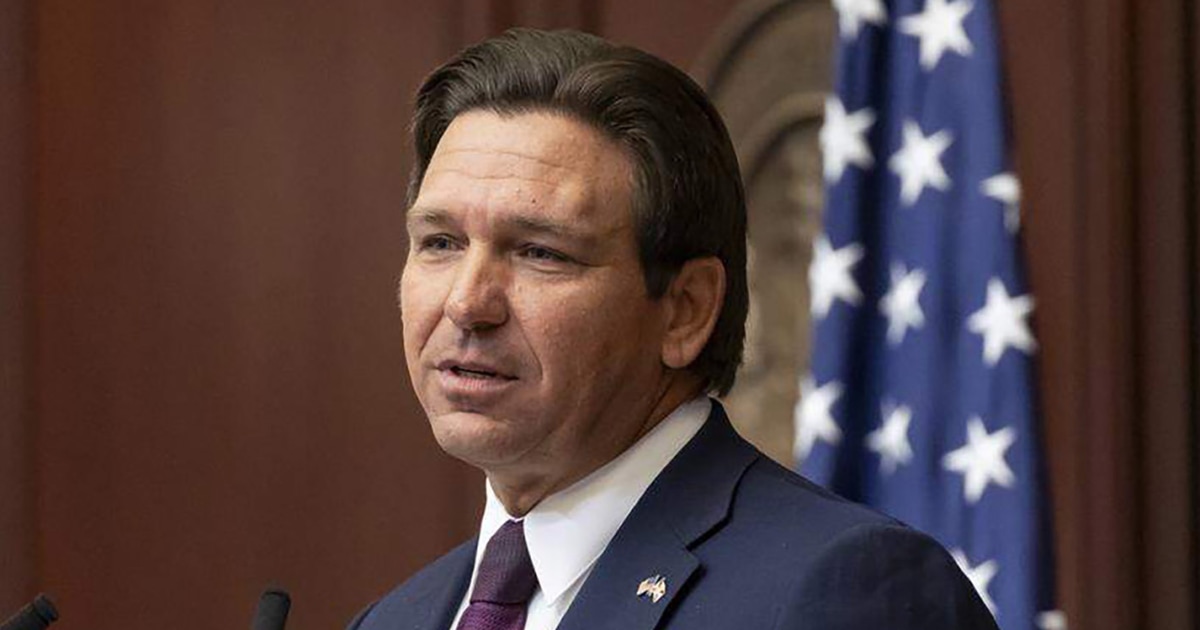
Florida Governor Ron DeSantis recently signed a bill that will require voters to provide proof of citizenship and impose stricter voter ID requirements in the state. The law, modeled after the federal SAVE America Act, aims to enhance the integrity of the voter registration process by ensuring that only American citizens can vote in elections. While supporters argue that the law is necessary to prevent voter fraud, critics, including Democrats and voting rights advocates, fear that it will disenfranchise eligible voters who may struggle to meet the new requirements.
The League of Women Voters of Florida and a coalition of advocacy groups have already filed a federal lawsuit to block the law, citing concerns about its impact on vulnerable voters, such as older Black voters and naturalized citizens who may face challenges in obtaining the necessary documents. The law's requirements could particularly affect voters born in Puerto Rico, those who have changed their name, or individuals who have lost their documents.
Despite the argument that many Floridians have already provided proof of citizenship when obtaining a REAL ID, advocates warn that a significant portion of eligible voters may not have easy access to the required documents. A study commissioned by the Brennan Center for Justice revealed that over 9% of American citizens of voting age lack readily available proof of citizenship documents, potentially affecting more than 1 million Floridians when the law is fully implemented next year.
While other states have faced legal challenges over documentary proof of citizenship requirements, Florida's law differs in its approach by verifying voters' citizenship after registration. Those who have previously shown their passport or birth certificate to government officials will have their citizenship affirmed, while others will be required to provide proof within a month or risk being removed from the voter rolls. The implementation of this law poses significant challenges for election officials, including the need for new rules, forms, and systems to handle the proof of citizenship requirements.
The supervisor of elections for Palm Beach County, Wendy Sartory Link, expressed concerns about the logistical hurdles of implementing the law, such as updating computer systems, creating new processes for data sharing, and hiring additional staff to manage the increased workload. She highlighted uncertainties regarding the acceptance of proof of citizenship, the frequency of verification, and the evaluation of documents brought by voters. The potential for long lines and delays in processing voter registrations raise practical concerns about the law's impact on the upcoming elections.
In conclusion, Florida's new law requiring proof of citizenship and stricter voter ID measures has sparked debate and legal challenges over its potential impact on voter access and election integrity. As election officials prepare to implement the law, concerns about disenfranchisement, logistical challenges, and uncertainties surrounding the verification process remain at the forefront of the discussion.