Challenges and Opportunities in Autonomous Vehicle Technology: Baidu's Robotaxis Encounter System Malfunction in Wuhan
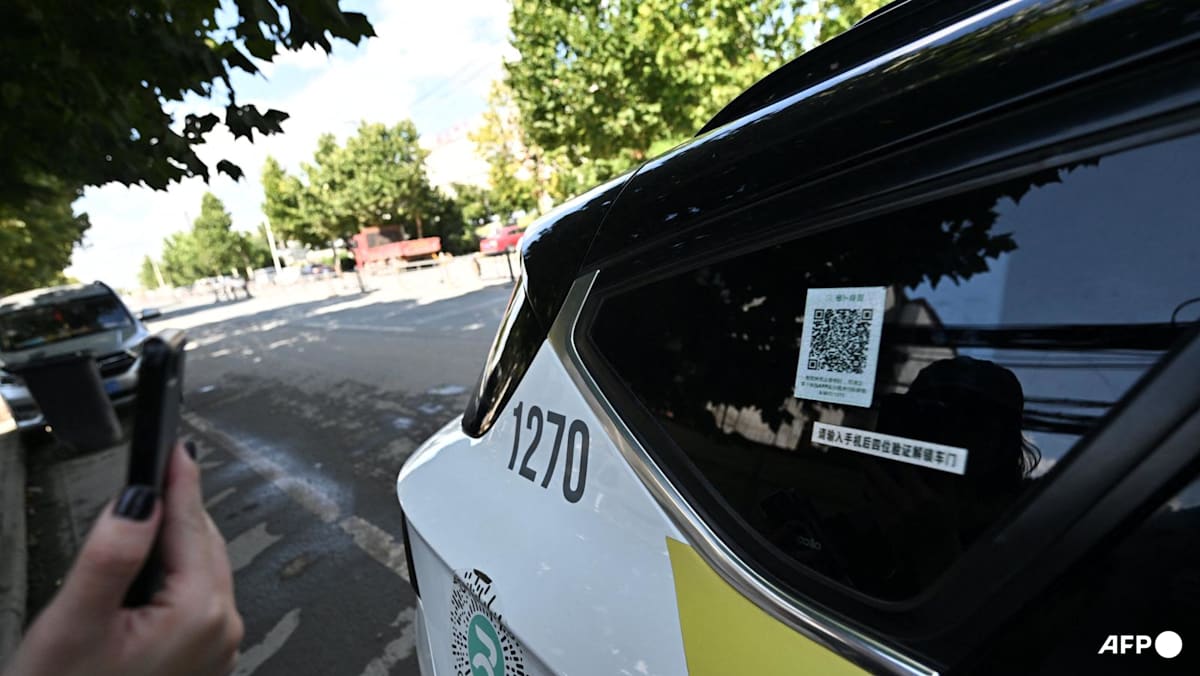
A series of self-driving robotaxis operated by the Chinese tech company Baidu encountered a system malfunction in Wuhan, Hubei province, leaving passengers stranded in the middle of the road. The incident, which occurred on Tuesday night, prompted multiple calls to local authorities as the Apollo Go cars were unable to move. Apollo Go is Baidu's autonomous taxi service that offers rides in designated areas across various cities. The cause of the malfunction is currently under investigation by the police.
Videos shared on social media showed passengers inside the stalled robotaxis trying to reach customer service for assistance while their vehicles remained immobile on the road. The Apollo Go logo was visible on the steering wheel as frustrated passengers documented their experiences. Baidu has not yet provided a response to inquiries regarding the incident, highlighting the challenges faced by autonomous vehicle technology in real-world scenarios.
Despite the setback, Baidu has been actively expanding its driverless taxi service, with plans to integrate its cars into popular rideshare platforms like Lyft and Uber. In the fourth quarter of 2025, Apollo Go recorded 3.4 million driverless rides, marking a significant increase in total rides compared to the previous year. The company's fleet in Wuhan alone consists of over 500 driverless cars, indicating its commitment to advancing autonomous transportation technology.
The recent system malfunction experienced by Baidu's self-driving robotaxis in Wuhan underscores the complexities and challenges associated with autonomous vehicle technology. As companies like Baidu continue to innovate and expand their driverless services, incidents like these serve as valuable learning experiences to enhance the safety and reliability of autonomous transportation systems.