Navigating Economic Uncertainty: Consumer Confidence and Challenges in the U.S.
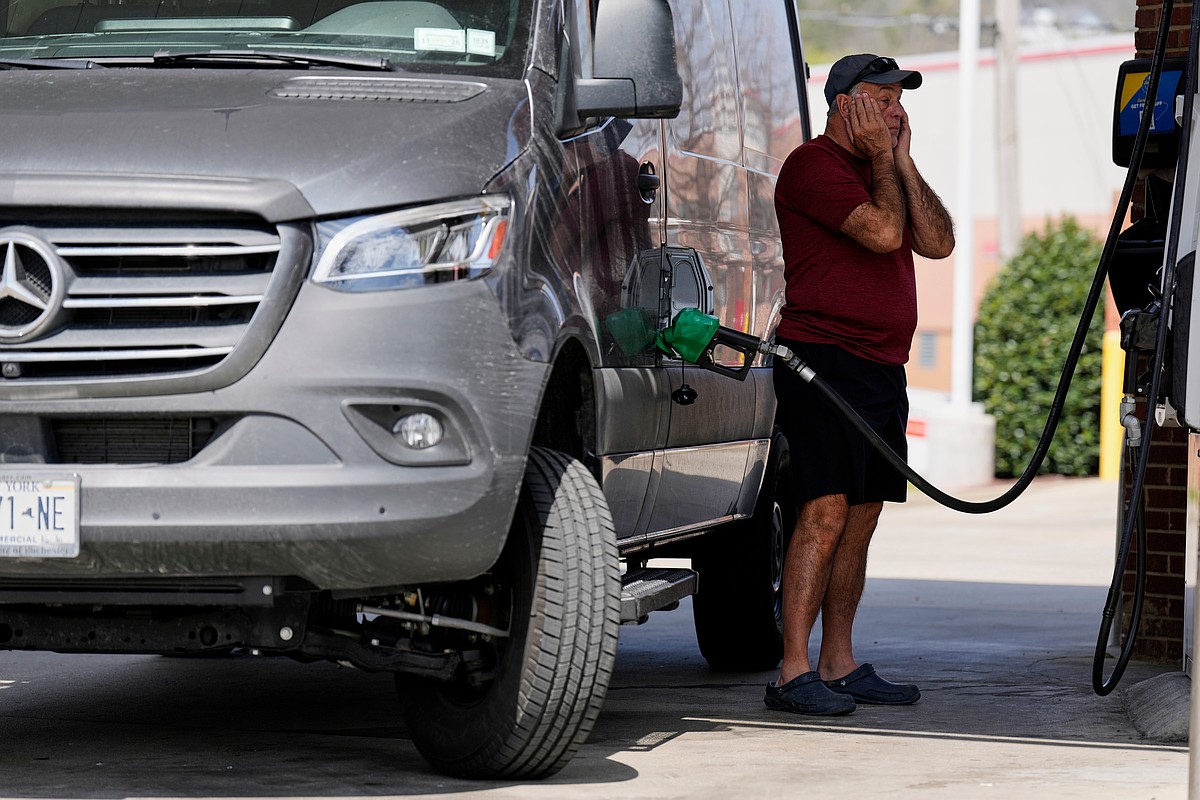
Consumer confidence in the United States saw a slight increase in March despite the impact of rising energy prices due to the conflict in Iran. The Conference Board reported that the consumer confidence index rose to 91.8 in March from 91 in February. While the overall confidence reading was not significantly affected by the escalating costs from tariffs and oil prices, there was a growing pessimism in other aspects of the survey, particularly regarding expectations of higher inflation.
The survey revealed that respondents expressed concerns about oil, gas prices, and the ongoing war, leading to a surge in consumers' 12-month inflation expectations. Gas prices in the U.S. surpassed $4 per gallon for the first time since 2022, driven by the global increase in fuel prices caused by the conflict. The national average for regular gasoline now stands at $4.02, a significant rise from before the war began, raising worries about a potential demand destruction shock as a result of the oil price surge.
Despite the increase in gas prices, consumers continued to make purchases across various categories in March, as indicated by Navy Federal Credit Union's credit card data. However, there are concerns that the inflation shock may have a more significant impact on consumers in the second quarter. The survey also showed a decline in Americans' short-term expectations for income, business conditions, and the job market, signaling potential economic challenges ahead.
While consumers' assessments of the current economic situation improved, their outlook on future economic conditions declined. The persistently elevated inflation levels, exacerbated by the Iran war-induced spikes in oil and gas prices, make it unlikely for the Federal Reserve to consider cutting interest rates in the near future. The weak employment data for February, with unexpected job cuts and a rise in the unemployment rate, adds to the economic uncertainty caused by the ongoing conflict.
The U.S. labor market continues to face challenges, with businesses hesitant to make significant hiring decisions amid uncertainties surrounding tariffs and interest rates. Economic growth slowed to 1.4% in the final quarter of last year, impacted by the government shutdown and reduced consumer spending. Despite these challenges, consumers' intentions to purchase cars, particularly used cars, showed a positive trend in March, according to the latest survey results.
In conclusion, while consumer confidence in the U.S. saw a modest increase in March, concerns over rising energy prices, inflation expectations, and the impact of the conflict in Iran continue to weigh on the economy. The labor market remains under strain, and uncertainties surrounding trade policies and interest rates contribute to the overall economic uncertainty. Consumers' cautious optimism about purchasing cars reflects a mixed sentiment amid the challenging economic landscape.