Georgia's Proposed School Weapon Detection Bill: Enhancing Safety Measures in Educational Settings
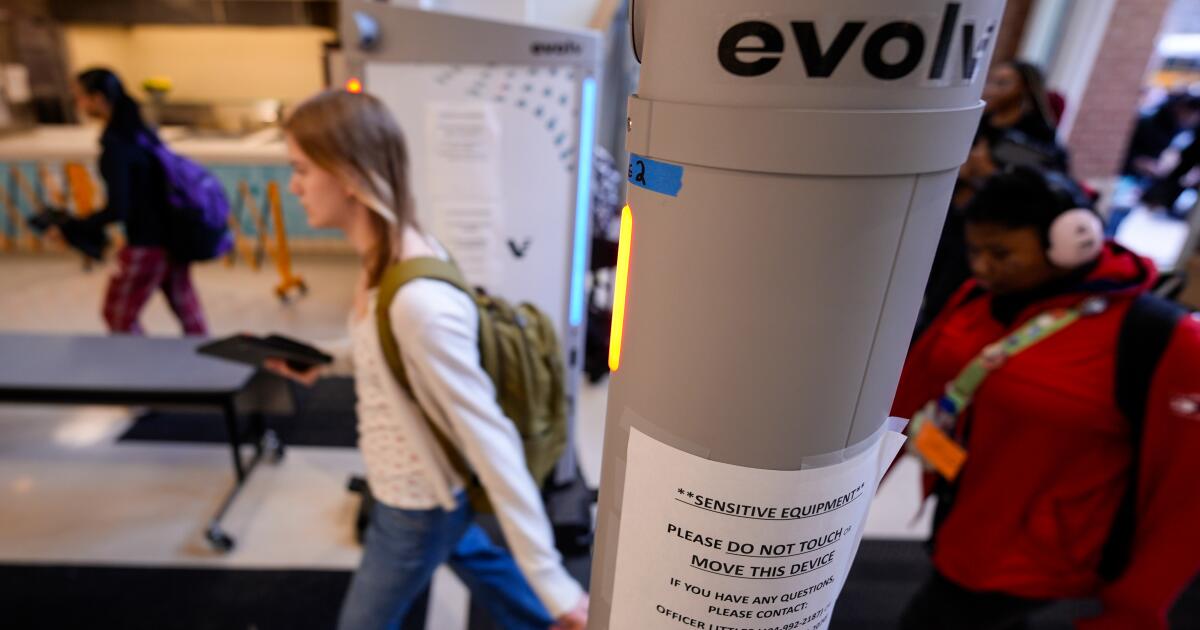
Georgia is on the verge of passing a bill that would mandate weapon detection systems in all public schools, making it the first state to require daily weapon checks for students. The proposed measure is a response to a tragic school shooting in 2024 that claimed four lives. The bill's supporters argue that such systems could prevent weapons from entering school premises and potentially save lives, addressing the concerns of students and families affected by the incident.
While some schools have already implemented metal detectors or clear backpack policies to deter weapons, the new technology integrates computer analysis with cameras or electromagnetic fields to detect knives and guns more effectively. This advanced system has gained popularity in various settings, including schools, arenas, stadiums, and hospitals, enhancing security measures to protect students and staff members.
The effectiveness of weapon detectors in preventing school shootings remains a topic of debate, with questions surrounding the financial burden of implementing such systems and the operational challenges they pose. Critics argue that the constant false alarms and the risk of overlooking actual weapons could undermine the overall security benefits. Additionally, concerns have been raised about the necessity of installing weapon detectors in elementary schools, as mandated by the bill, and the broader implications of normalizing their presence in educational environments.
The bill's fate rests on the decision of Georgia lawmakers in the final days of the legislative session, with Governor Brian Kemp having the final say on its approval. Nationally, the prevalence of weapon detectors in schools varies, with a small percentage of institutions conducting daily metal detector checks. The debate over school security measures extends beyond physical screenings, with some advocating for stricter gun control laws to address the root causes of violence in educational settings.
As the discussion continues, the focus on enhancing school safety through technology and policy interventions underscores the ongoing efforts to protect students and educators from potential threats. The balance between security measures and broader societal issues remains a complex challenge that requires thoughtful consideration and collaboration among stakeholders to ensure a safe learning environment for all.
In conclusion, the proposed legislation in Georgia reflects a broader national conversation on school safety and the role of weapon detection systems in mitigating potential risks. While the effectiveness and implications of such measures are subject to scrutiny, the commitment to enhancing security protocols underscores the shared goal of safeguarding students and staff members in educational settings. The ongoing dialogue on school safety highlights the need for comprehensive approaches that address both immediate security concerns and underlying societal factors contributing to violence.