Cross-Border Connections: Stories from the Iraq-Iran Border Region
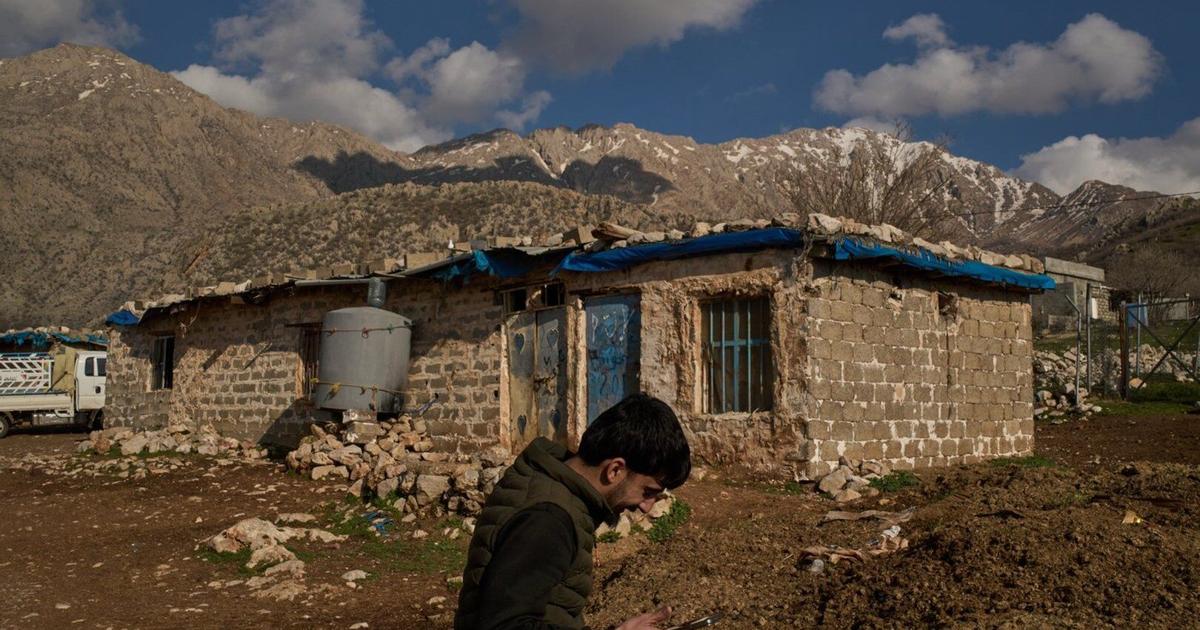
In Iraq, Yaser Fattahi is in self-exile, waiting for brief calls from his mother in Iran. His cousin arranges the calls near the border where a signal can connect them. Fattahi fled to Iraq in December to avoid arrest for his involvement in protests in Iran. He provided medical care to injured protesters to avoid state-run hospitals under surveillance.
Bilal Osman, a 25-year-old cross-border smuggler between Iraq and Iran, communicates with his partner in Iran from a village in the Kurdish region near Halabja. Osman's work involves navigating the mountainous terrain to transport goods across the border. The rugged landscape and lack of official border crossings make his job challenging.
The mountainous Kurdish region near Halabja serves as a backdrop for cross-border activities between Iraq and Iran. The area's remote location and rough terrain make it a strategic location for smuggling operations. The lack of official border crossings and limited communication infrastructure create challenges for individuals like Fattahi and Osman who rely on cross-border connections.
In this region, individuals like Yaser Fattahi and Bilal Osman navigate the complex web of cross-border relationships and activities. Fattahi's exile in Iraq and Osman's smuggling operations highlight the interconnectedness of communities living near the Iraq-Iran border. Despite the challenges they face, these individuals find ways to maintain connections and carry out their activities in this unique border region.
In conclusion, the Iraq-Iran border region near Halabja is a complex and dynamic area where individuals like Yaser Fattahi and Bilal Osman navigate challenges related to communication, transportation, and security. Their stories shed light on the resilience and resourcefulness of people living in border regions, where connections between neighboring countries are essential for daily life and livelihoods.