Air Traffic Safety Overhaul: Lessons Learned from the Tragic Collision at Reagan Airport
Internal safety reports have revealed that there were two close calls between passenger jets and military helicopters just one day before the tragic midair collision over Washington, D.C. that claimed 67 lives. On Jan. 28, Army helicopters approached Ronald Reagan Washington National Airport at a higher altitude than expected, causing confusion in the control tower. An American Airlines flight from Norfolk had to climb quickly to avoid a potential collision with the helicopters. Later that day, another Army helicopter approached as a commercial flight from Connecticut was preparing to land, triggering another collision alarm.
The following day, on Jan. 29, an Army Black Hawk helicopter on a training mission collided with American Airlines Flight 5342, resulting in no survivors. Air traffic controller Emily Hanoka, who was on duty at Reagan airport during the crash, highlighted longstanding issues in the system, with warnings to the Federal Aviation Administration about the risks posed by the high volume of air traffic in the area. Despite recommendations made over the years, the situation remained precarious, leading to the tragic collision.
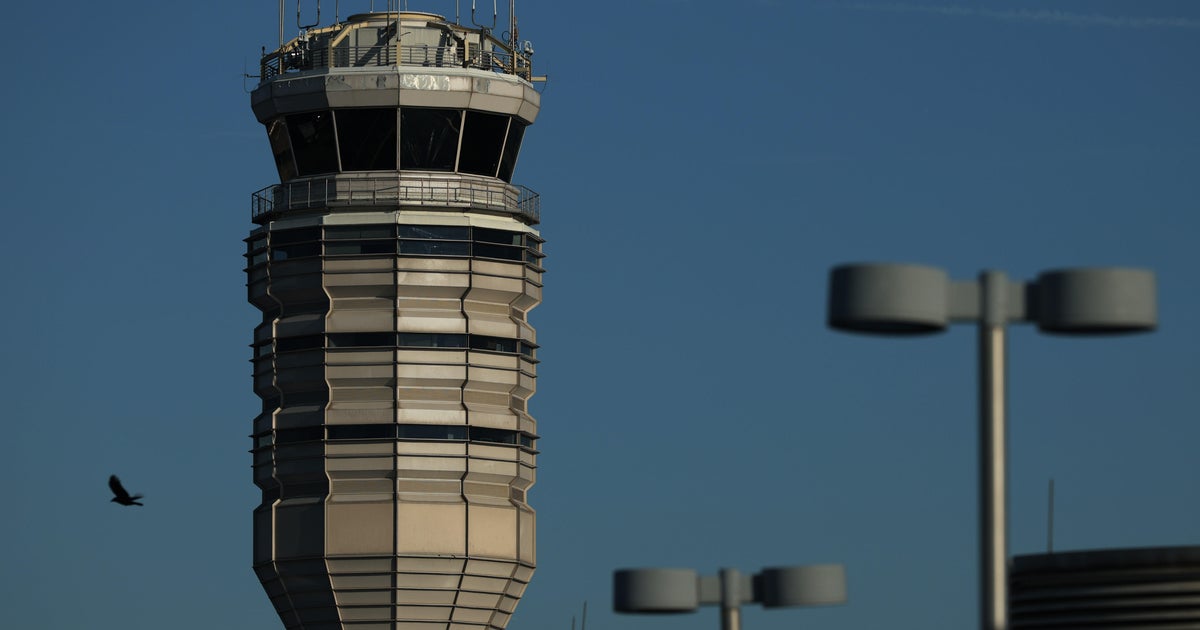
Ronald Reagan Washington National Airport, known as DCA, faces unique challenges due to its ownership by the federal government and the daily flight limits set by Congress. The airport, which moves 25 million passengers annually, operates beyond its intended capacity, with lawmakers approving additional flights over the years. The airport's three short runways, including the busiest Runway 1, handle a high volume of flights, necessitating close coordination by air traffic controllers to manage the traffic effectively.
The complexity of the air traffic control job at DCA, including the use of a "squeeze play" technique to handle close operations, has deterred potential new controllers from pursuing training. Following the crash, a significant number of controller positions at the Reagan tower remained unfilled, reflecting the challenges faced by the air traffic control team. The collision highlighted the need for improved safety measures and prompted changes to enhance the safety of the airspace over Reagan airport.
In response to the tragedy, the FAA implemented measures to restrict helicopter traffic near the airport, adjust flight routes, and enhance safety protocols. Transportation Secretary Sean Duffy emphasized the commitment to overhauling the air traffic control system to prioritize safety. The FAA's renewed focus on safety and bold actions underscore the agency's mission to prevent future incidents and ensure the safety of air travel.