Title: "Democratic Party's Israel-Palestine Divide: Governor Newsom's Comments Expose Party's Disconnect with Public Sentiment
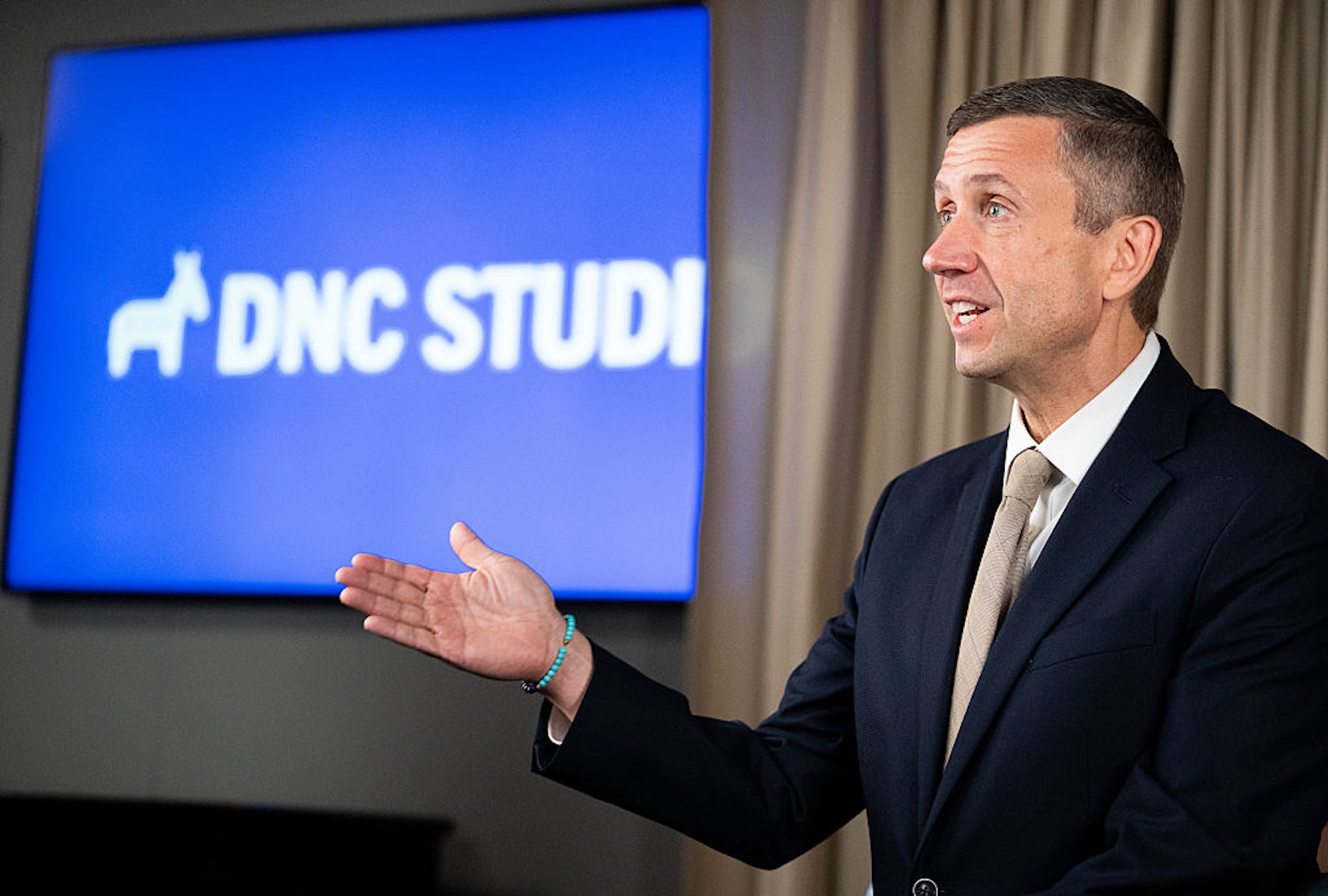
Governor Gavin Newsom's recent comments on Israel highlight a disconnect between Democratic Party leadership and the views of the American public. Despite growing support for the Palestinian people, party leaders struggle to align with voters' sentiments. Newsom's conflicting statements on Israel being labeled as an apartheid state and his subsequent backtrack exemplify this disconnect.
Recent polls show a shift in American sympathies, with 41% siding with the Palestinians and 36% with the Israelis. Among Democratic voters, 65% express more sympathy for the Palestinians, indicating a significant divide within the party. The reluctance of Democrats to condemn Israel's military actions despite public sentiment raises questions about their allegiance to AIPAC, a powerful pro-Israel lobbying group.
AIPAC's substantial financial support for moderate Democratic candidates has raised concerns about the influence of money in politics. The party's reliance on established candidates favored by AIPAC, who may not align with the progressive views of the party's base, further exacerbates the divide. The failure to embrace younger, more liberal voices within the party risks alienating a significant portion of the electorate.
The Democratic Party's hesitance to denounce Israel's actions not only reflects a moral dilemma but also a strategic misstep. As the party grapples with internal divisions based on age and ideology, it risks losing touch with its evolving base. The upcoming primary election presents an opportunity for Democratic voters to voice their support for candidates who align with their values, particularly regarding the Palestinian cause.
In conclusion, the Democratic Party's struggle to address the Israel-Palestine issue underscores a broader challenge of adapting to changing demographics and values within its ranks. By embracing progressive voices and aligning with the views of its constituents, the party can bridge the gap between leadership and public sentiment. The upcoming elections will serve as a litmus test for the party's ability to evolve and resonate with a diverse and increasingly progressive electorate.