Supreme Court Declines to Hear Case of Citizen Journalist Arrested for Soliciting Information: Implications of Qualified Immunity
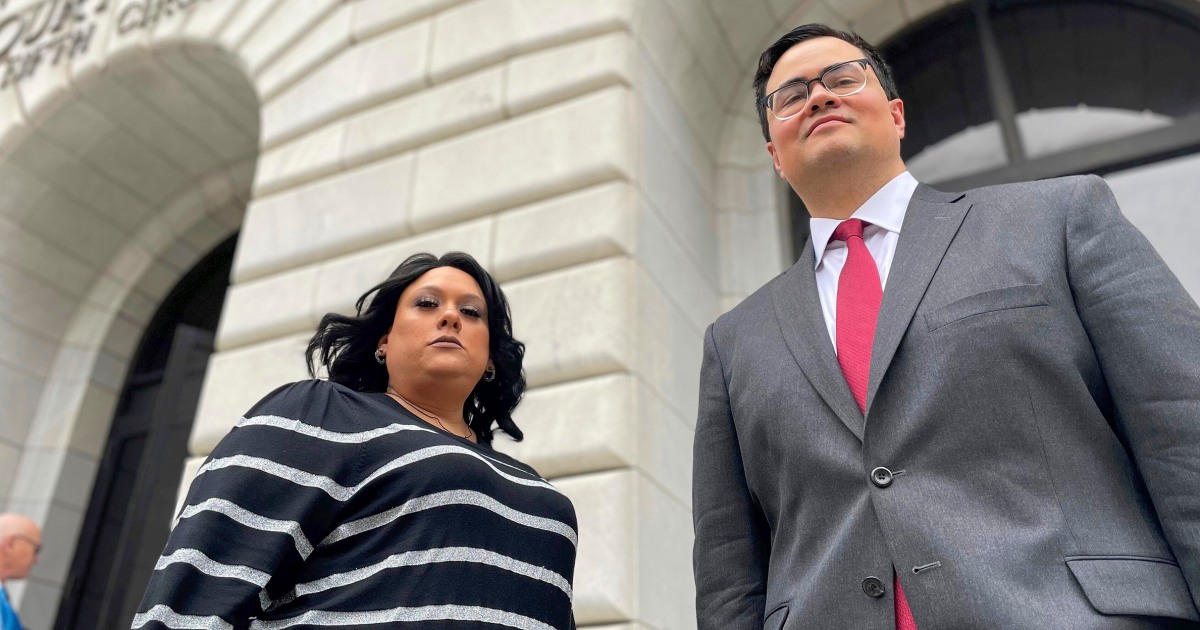
The Supreme Court declined to hear a case involving a citizen journalist, Priscilla Villarreal, who was arrested for soliciting information from a police officer. The court's decision means that her claim that officials violated her First Amendment rights cannot move forward. Justice Sonia Sotomayor dissented, criticizing the court's refusal to take up the case.
In 2017, Villarreal, known for her local Facebook page, contacted a police officer to confirm details about a suicide victim and a car accident victim before the information was public. She was arrested under an obscure state law that prohibits soliciting information from a public employee for personal gain. The charges were dropped, but Villarreal filed a civil rights lawsuit alleging a violation of her free speech rights.
Villarreal's legal team argued that qualified immunity should not apply in this case because officials should have known that enforcing the state law would violate free speech rights. The defendants in the case include Laredo's former police chief and the District Attorney.
Despite losing in lower courts on the qualified immunity issue, Villarreal sought Supreme Court intervention. The 5th U.S. Circuit Court of Appeals upheld the ruling in favor of the defendants, leading to the Supreme Court's decision not to hear the case.
Qualified immunity, a legal doctrine that shields officials from civil lawsuits, has faced criticism for favoring defendants accused of violating constitutional rights. The Supreme Court has not revisited the doctrine despite calls for reform from various legal groups.
In a separate case on qualified immunity, the Supreme Court ruled in favor of a police officer in Vermont facing an excessive force claim for handling a protester in the state Capitol building.
In conclusion, the Supreme Court's refusal to hear Priscilla Villarreal's case highlights the ongoing debate over qualified immunity and its impact on civil rights claims against officials. The decision underscores the challenges faced by individuals seeking to hold government officials accountable for alleged violations of constitutional rights.