ICE Agents Deployed to Airports Amid Government Shutdown: Impact on TSA and Travelers
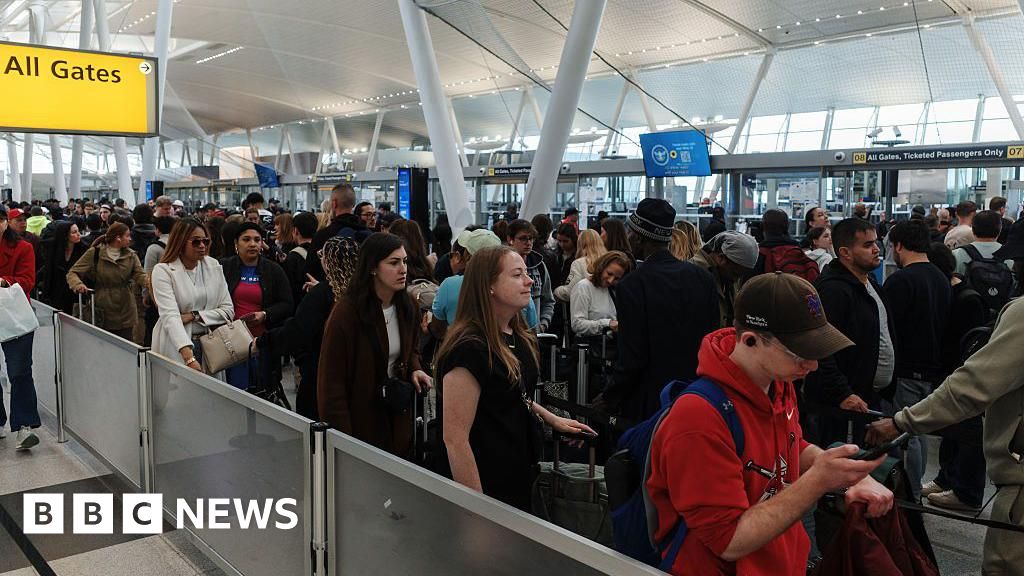
The Trump administration has announced that ICE agents will be deployed to airports to assist with the long lines at security checkpoints. President Trump shared this information on social media, stating that ICE agents will be at airports starting Monday. The move comes as a response to the ongoing partial government shutdown affecting the Department of Homeland Security, leaving TSA officers without pay.
The decision to send ICE agents to airports has sparked criticism from the union representing TSA officers, who argue that staff should be paid rather than replaced by untrained armed agents. The deployment of ICE agents is aimed at supporting TSA agents in conducting security screenings and reducing wait times for travellers at airports.
While ICE agents will not directly screen passengers, they will be stationed at entry and exit points to allow TSA officers to focus on their screening duties. The plan is still being finalized, including the number of agents involved, but the deployment is set to take place on Monday. The ongoing funding stalemate has led to TSA agents working without pay for over a month, resulting in increased absences and resignations.
House Minority Leader Hakeem Jeffries expressed concerns about deploying ICE agents at airports, emphasizing the need for trained individuals in sensitive security situations. The American Federation of Government Employees (AFGE) president highlighted the dedication of TSA workers who continue to work without pay, emphasizing the importance of compensating them for their service.
The deployment of ICE agents to airports comes amid calls for reforms to ICE following incidents where federal agents killed protesters in Minnesota. Democrats have urged the DHS to implement changes such as prohibiting immigration agents from wearing face masks and improving officer identification. Despite efforts to fund DHS and provide payments for TSA agents, a bill failed to advance in the Senate, prolonging the funding uncertainty for security personnel.