Stranded in Mexico: The Plight of Third-Country Deportees
In the dead of night, a bus carrying U.S. deportees arrived in the city of Villahermosa, Mexico. The deportees, still clad in prison attire, were released by Mexican immigration agents. Among them was Alberto Rodríguez, a 73-year-old man who, due to a stroke, struggled to remember details of his life. Lost and disoriented, the deportees roamed the unfamiliar city until they found a park to rest for the night.
Under President Trump's immigration crackdown, deportees are being sent to countries other than their own, including Mexico. Villahermosa has become a common destination for these third-country deportees, who are then often sent back to their home countries. However, many are left stranded in Mexico with limited resources and uncertain legal status. The city lacks adequate services and is plagued by violence, making it a dangerous place for vulnerable deportees.
Mexico has accepted thousands of non-Mexican deportees, including individuals from countries like Cuba, Venezuela, Haiti, and Nicaragua. Many of these deportees are long-time U.S. residents who entered legally and faced persecution in their home countries. The recent targeting of these migrants for removal has left them in a state of limbo, with no clear path forward.
Elderly deportees, like Alberto Rodríguez, face significant challenges in Mexico. Many suffer from health issues and lack access to necessary medications. The lack of support and resources in Mexico has left deportees feeling hopeless and abandoned. The Trump administration's foreign aid cuts have further strained Mexico's ability to care for migrants, leaving many shelters and aid organizations understaffed and underfunded.
Despite pressure from the U.S., Mexico has not signed a formal agreement to accept third-country deportees. The country claims to welcome deportees for humanitarian reasons but has been criticized for its treatment of vulnerable individuals. Human rights advocates argue that Mexico is failing to protect deportees' rights and is violating international principles by sending them to potentially dangerous situations.
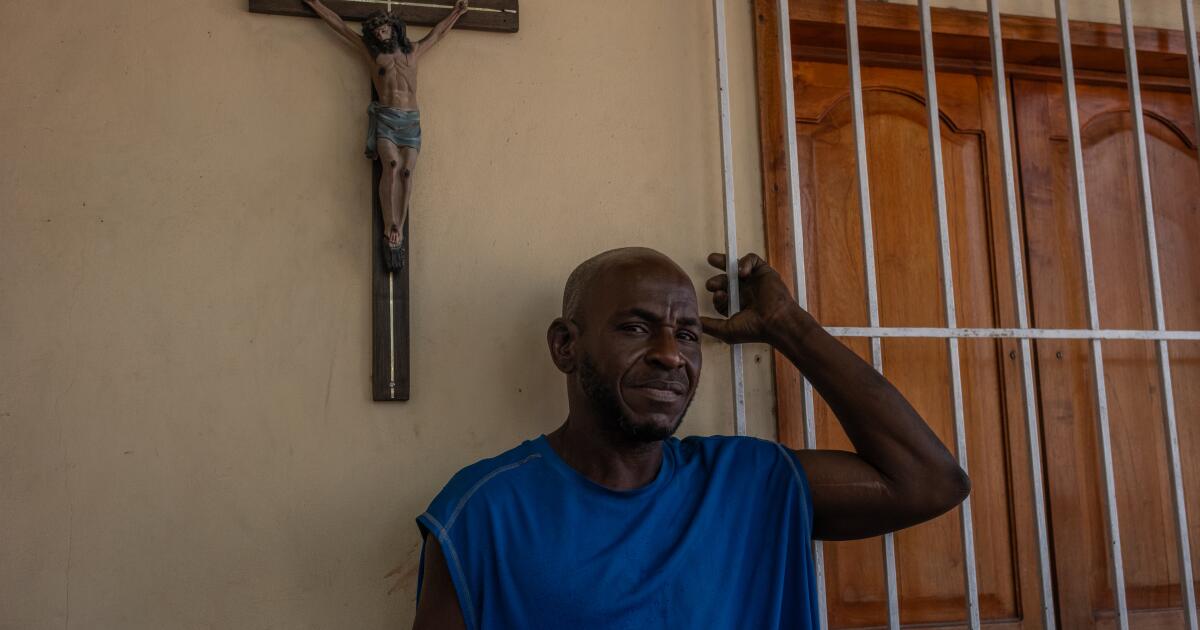
The future looks bleak for deportees like Mauricio De Leon and Lázara Santana, who find themselves stranded in Mexico with limited resources and no clear path forward. Deportees face challenges ranging from lack of work opportunities to fear of persecution in their home countries. The ongoing deportation of migrants to countries other than their own only adds to the uncertainty and hardship faced by these individuals.
In conclusion, the plight of third-country deportees in Mexico highlights the challenges faced by vulnerable individuals caught in the crossfire of immigration policies. As deportees struggle to navigate an uncertain future in unfamiliar surroundings, the need for compassionate and humane treatment of migrants remains paramount.