Rising Gas Prices: The Impact of Geopolitical Tensions on Oil Supply and Consumer Spending
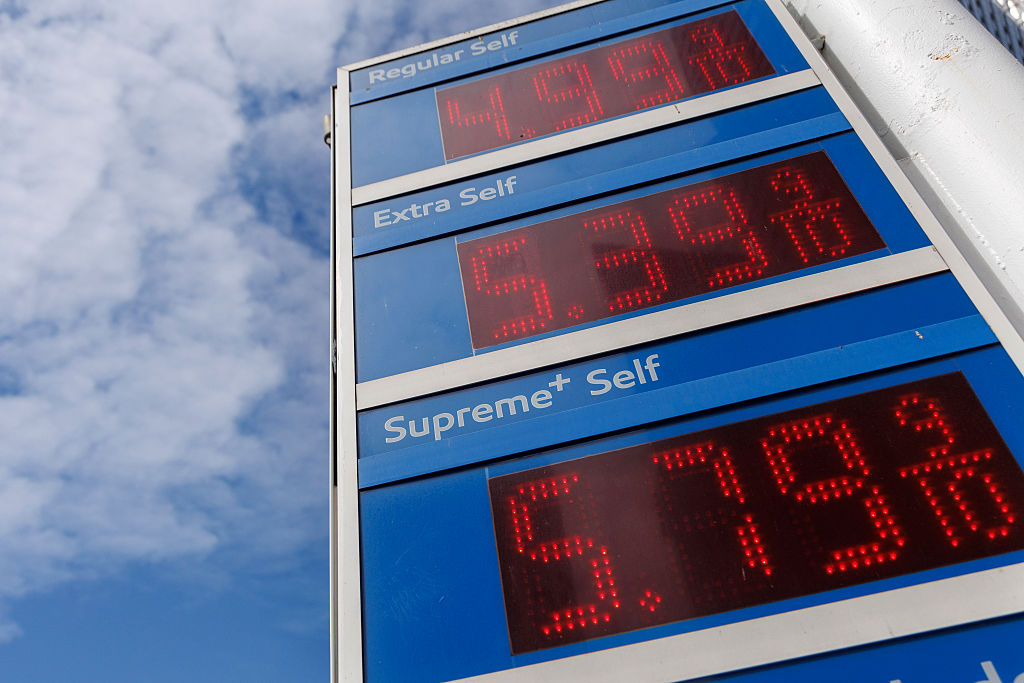
The recent increase in gas prices can be attributed to President Donald Trump's decision to strike Iran, leading to disruptions in the oil supply chain. Analysts predict that oil prices will remain high for the foreseeable future, with West Texas Intermediate and Brent crude prices on the rise. The closure of the Strait of Hormuz, a key shipping route for oil, has further exacerbated the situation, causing a significant reduction in the global oil supply. Israel's strikes on Iran's gas field and subsequent retaliatory actions have also contributed to the spike in oil prices.
Consumers in the U.S. are already feeling the impact of the rising oil prices at the gas pump, with prices increasing by nearly a dollar since the conflict began. This surge in gas prices not only affects consumer spending but also has the potential to drive inflation in the economy. Rising oil prices could lead to higher shipping costs, impacting the prices of essential goods and potentially triggering layoffs as businesses try to offset rising expenses.
As gas and shipping costs continue to climb, consumers may cut back on discretionary spending, leading to a slowdown in economic activity. The current economic outlook suggests that prices may worsen before showing signs of improvement, highlighting the broader impact of the conflict on the economy. In light of these developments, consumers may need to adjust their spending habits to navigate the challenging economic environment.