Faith and Politics: The Rise of Clergy in Democratic Politics
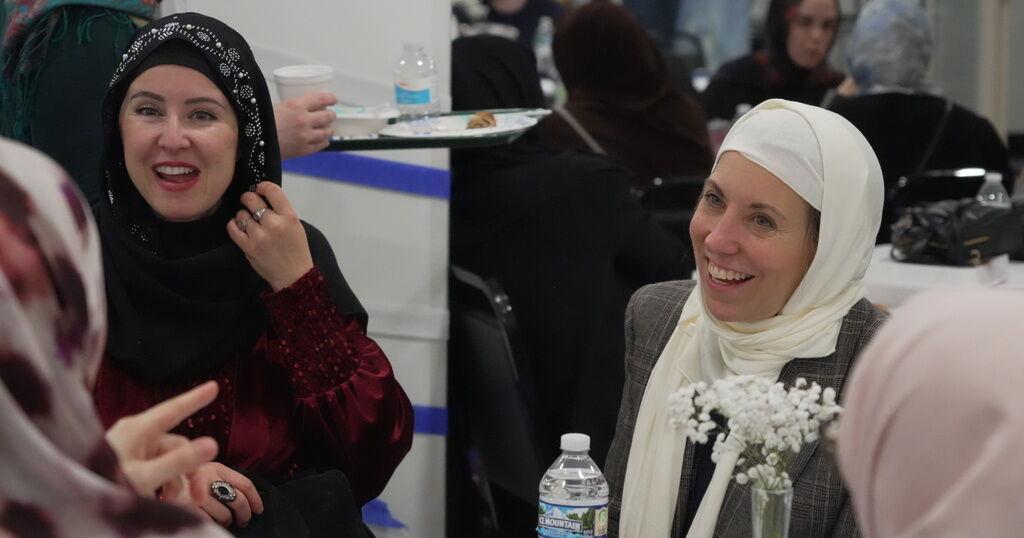
In Des Moines, Iowa, Reverend Sarah Trone Garriott is known for her ability to discuss religion and politics comfortably. As a Lutheran pastor and state senator, she recently delivered a sermon urging her congregation to embrace strangers and campaigned for Congress, highlighting the impact of Medicaid cuts on healthcare access. Trone Garriott is among three clergy members in Iowa running as Democrats for the U.S. House of Representatives, reflecting a trend of clergy engaging in politics as Democrats.
The current political landscape sees an increasing number of clergy running for office as Democrats, challenging the notion that Christianity is inherently conservative. Melissa Deckman of the Public Religion Research Institute notes that Democrats need to navigate the religious diversity within their party and engage with voters who may not identify with any religion. Trone Garriott, ordained in the Evangelical Lutheran Church in America, emphasizes the importance of acknowledging and discussing religious differences in a meaningful way.
James Talarico, a Texas state representative and Presbyterian Church (U.S.A.) seminarian, has gained attention for his progressive stance on issues informed by his theological education. Talarico's comfort in discussing the Bible has made him a target for conservatives, particularly regarding his support for abortion access and LGBTQ+ rights. Despite the challenges, clergy like Talarico and Trone Garriott are advocating for a more nuanced approach to faith in politics, recognizing the importance of engaging with religious perspectives.
The 2024 election highlighted the divide in religious voting patterns, with white evangelical Christians overwhelmingly supporting Donald Trump while Black Protestant voters favored Democrat Kamala Harris. Democratic Kentucky Governor Andy Beshear emphasizes the need for the party to reconnect with its religious messaging to regain authenticity and appeal to a broader range of voters. As clergy members like Trone Garriott and Talarico navigate the intersection of faith and politics, they aim to present a more inclusive and progressive vision rooted in their religious beliefs.
In conclusion, the increasing presence of clergy in Democratic politics reflects a shift towards engaging with diverse religious perspectives and challenging traditional notions of faith in politics. Leaders like Trone Garriott, Talarico, and Beshear are advocating for a more nuanced approach to discussing faith, aiming to bridge the gap between religion and progressive values. As they navigate the complexities of faith and politics, these clergy members are reshaping the conversation around religion in the political sphere, offering a vision of inclusivity and social justice.