Parenting the Danish Way: Lessons in Happiness and Resilience
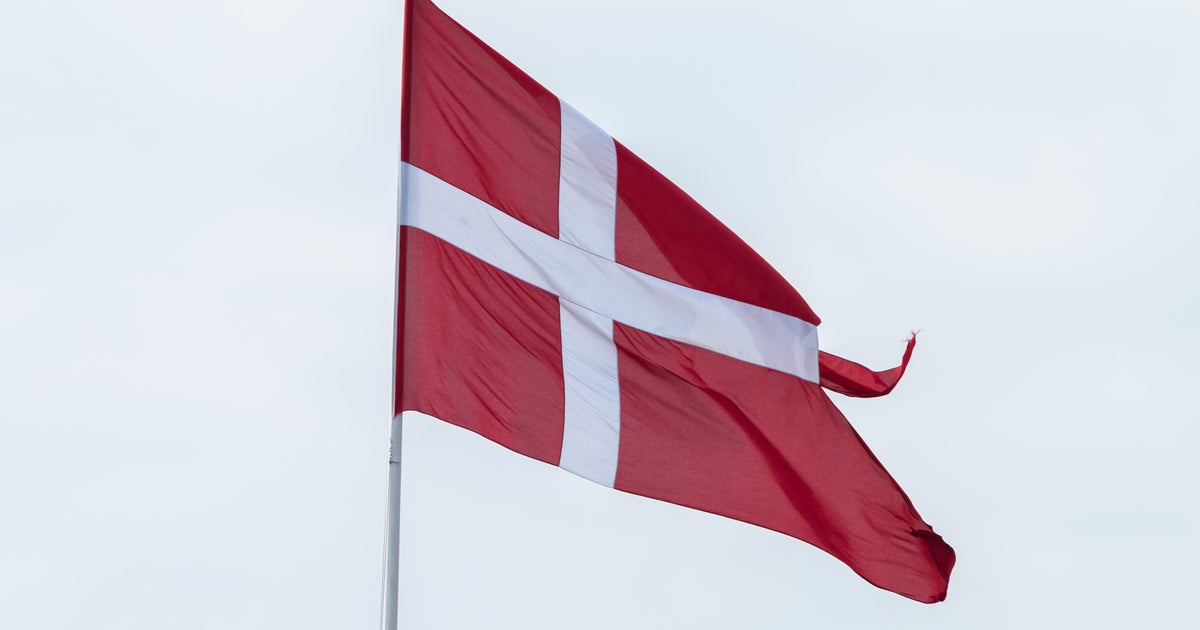
Finland has been named the happiest country in the world in the latest World Happiness Report. Nordic countries, particularly Denmark, have consistently ranked high on the happiness scale. Author Jessica Joelle Alexander highlights Danish parenting practices that she believes contribute to the country's happiness. She emphasizes the importance of play, authenticity, honesty, respect, empathy, avoiding ultimatums, and fostering togetherness in raising happy children.
In Denmark, play is considered crucial for children as it teaches essential skills like empathy and critical thinking. Danish parents are known for being honest with their children about the realities of the world, using age-appropriate language to discuss difficult topics. This honesty helps build resilience in children and encourages meaningful discussions.
The Danish approach to parenting also emphasizes respect, empathy, avoiding ultimatums, and promoting togetherness within families. Denmark's high happiness ranking is attributed to factors like societal trust, low inequality, and a strong welfare system. Danish parents have the opportunity to take up to a year off work when they have a baby, fostering a supportive environment for families.
While the United States ranked 17th in the happiness report, Alexander believes that incorporating some of the Danish parenting practices could benefit American families. The report also highlights the negative impact of heavy social media use on the wellbeing of young people, suggesting a need for a balanced approach to technology in parenting.
In conclusion, the Danish way of parenting offers valuable lessons on raising happy and resilient children. By prioritizing play, honesty, respect, empathy, and togetherness, parents can create a nurturing environment that promotes overall wellbeing and happiness. Incorporating these practices into parenting styles can benefit families and contribute to a more positive and fulfilling upbringing for children.