Energy Infrastructure Attacks in the Gulf: Iran's Retaliation and Global Impact
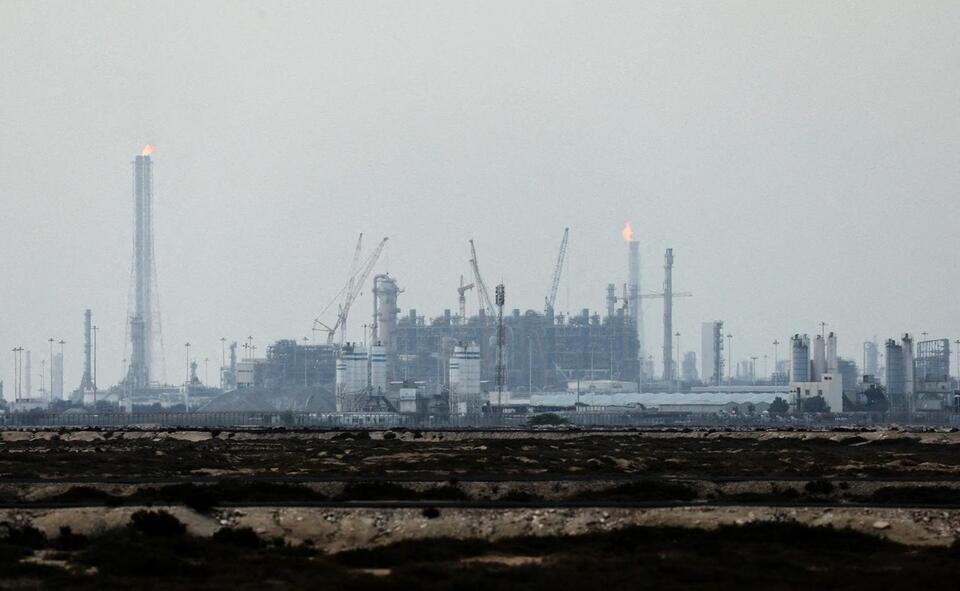
Iran retaliated against Gulf states' energy infrastructure after Israel attacked its largest gas field, leading to a surge in oil prices. Iran issued evacuation orders for energy assets in Qatar, Saudi Arabia, and the UAE, calling them legitimate targets. Qatar and the UAE criticized both Israel's initial attack and Iran's retaliatory strikes, with Qatar's LNG terminal in Ras Laffan being a major target. President Trump expressed concern over the escalating situation and warned against further attacks on Qatar's gas facilities.
The attacks caused fires and extensive damage to the energy facilities, impacting a significant portion of the world's liquefied natural gas supply. Saudi Arabia and the UAE also faced missile and drone strikes on their energy infrastructure, prompting concerns about regional stability and global energy security. Iran's retaliation targeted key energy facilities in the region, potentially affecting oil refining capacity and natural gas production.
The attacks led to a rise in oil prices, with U.S. oil trading up nearly 3% and global oil up about 5% per barrel. The situation in the region remains tense, with the critical Strait of Hormuz closed, affecting global oil supply. The escalating conflict between Iran, Israel, and Gulf states poses a significant threat to regional stability and energy markets.