Uncovering the Hidden Toll: The Impact of Unrecognized COVID-19 Deaths in the United States
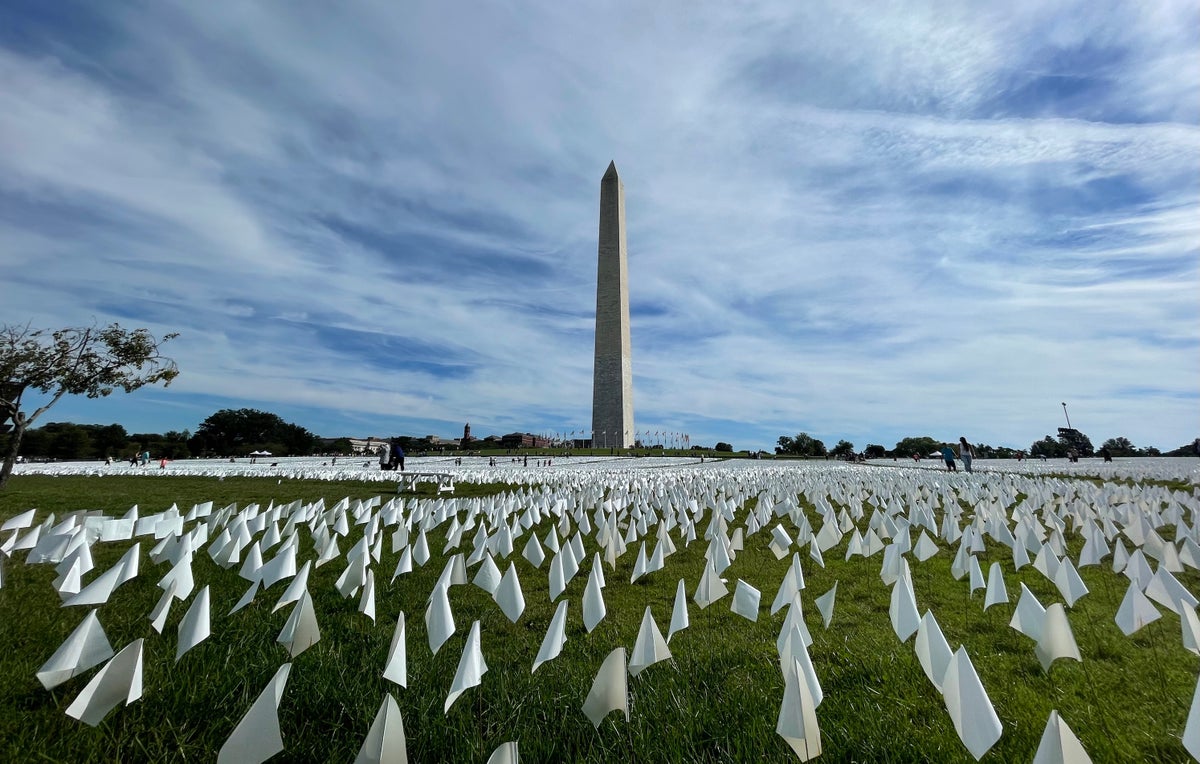
The COVID-19 pandemic may have resulted in significantly more deaths in the United States than official records suggest, with potentially one uncounted death for every five reported deaths. A recent study published in Science Advances indicates that the total number of deaths in 2020 and 2021 could be close to one million, highlighting the disproportionate impact of the pandemic on marginalized communities.
Researchers analyzed data from the Centers for Disease Control and Prevention to identify potential unrecognized COVID-19 deaths. By using a machine-learning algorithm to flag deaths that resembled hospital COVID-19 fatalities but occurred in other settings, they estimated between 150,000 and 160,000 additional deaths beyond the officially reported 840,251. This suggests that a significant number of COVID-19 deaths were not captured in the official statistics.
The study revealed that unrecognized COVID-19 deaths were more likely to occur among Hispanic individuals, at home, and among less educated and lower-income populations. States like Alabama, Oklahoma, and South Carolina had the highest ratios of these uncounted deaths, indicating a pattern of underreporting in areas most affected by the pandemic.
The findings underscore the challenges in accurately reporting COVID-19 deaths in the U.S., with fragmented and under-resourced death reporting systems contributing to the undercounting of fatalities. The disparities in unrecognized deaths highlight the impact of social determinants of health on COVID-19 outcomes and the need to address barriers to accessing healthcare, particularly for vulnerable populations.
The study's lead author, Mathew Kiang, emphasizes the importance of understanding how the pandemic unfolded within the U.S. healthcare system and its implications for addressing health disparities. By analyzing the patterns of unrecognized COVID-19 deaths, researchers can gain insights into the broader impact of systemic inequalities on public health outcomes.
In conclusion, the study's findings suggest that the true toll of COVID-19 in the U.S. may be significantly higher than official figures indicate, with marginalized communities bearing the brunt of the pandemic's impact. Addressing the underlying social determinants of health and improving access to healthcare are crucial steps in mitigating the disproportionate effects of COVID-19 on vulnerable populations.