TSA Staffing Crisis: Impact of Sick Calls on Airport Security
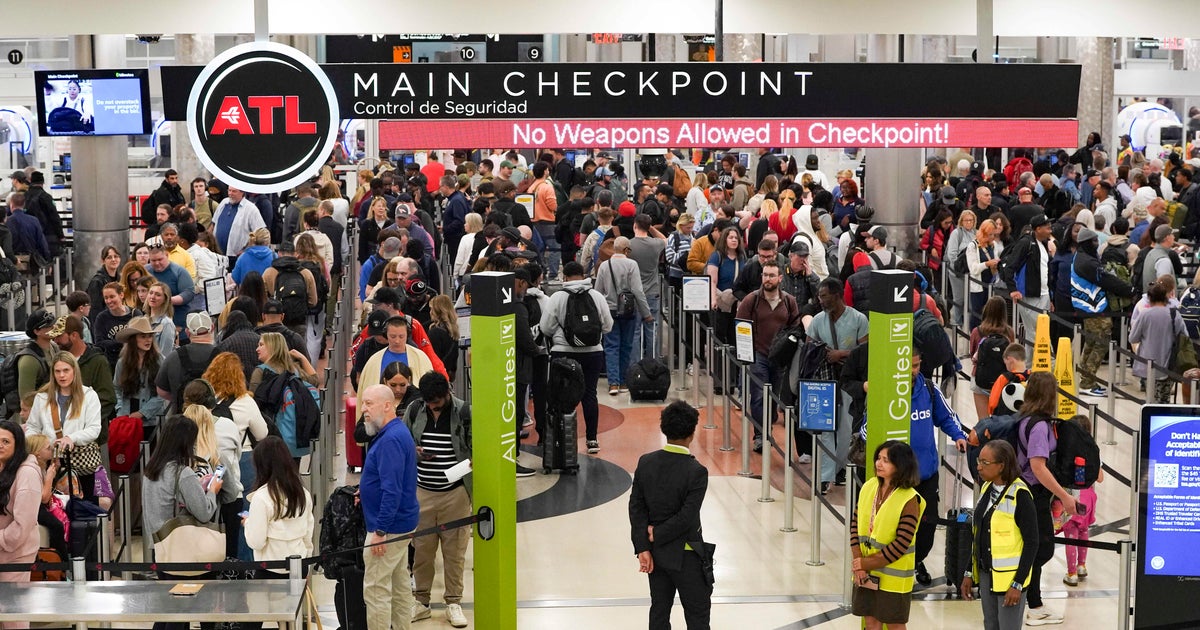
The Transportation Security Administration (TSA) is facing a significant challenge as a growing number of TSA officers are calling in sick, causing long security lines at airports nationwide. Acting deputy TSA administrator Adam Stahl expressed concern about the situation, warning that if the call rate continues to rise, there could be a possibility of airport closures. The lack of funding for the agency and the Department of Homeland Security is exacerbating the problem, with Stahl emphasizing that the situation will not improve without proper funding.
The impact of the sick calls is evident as hundreds of TSA officers have resigned, leaving the 50,000 remaining officers working without pay. Stahl highlighted the hardships faced by TSA employees, with some resorting to extreme measures like sleeping in their cars or drawing blood to afford gas to get to work. While airport closures are not imminent, the situation is more likely to affect smaller airports if the issue persists.
The surge in TSA sick calls began after officers missed a paycheck due to the ongoing partial government shutdown. Monday saw a significant increase in sick calls, with over 10% of officers nationwide calling out – five times more than usual. In Atlanta, more than 37% of TSA officers called out sick on Monday, leading to the closure of a checkpoint at the world's busiest airport. The resulting long wait times at airports like Atlanta and Houston's George Bush Intercontinental Airport are expected to worsen as staffing levels decrease, leading to the closure of screening lanes and checkpoints.
As the TSA grapples with the impact of the government shutdown on its workforce, the agency is facing challenges in maintaining security operations at airports. The situation underscores the urgent need for funding to support TSA officers and ensure the smooth functioning of airport security. The ongoing uncertainty surrounding the shutdown and its effects on TSA operations highlight the importance of addressing the funding issue promptly to prevent further disruptions in airport security and travel.