Trump's Call for Allies in Iran War Met with Reluctance: A Diplomatic Dilemma
The U.S. President, Donald Trump, is seeking assistance from allies in the Iran war, citing decades of U.S. security guarantees as a reason for their support. However, European allies have been reluctant to join the conflict, with the United Kingdom and other nations refusing to send warships to help unblock the Strait of Hormuz, a critical oil trade route.
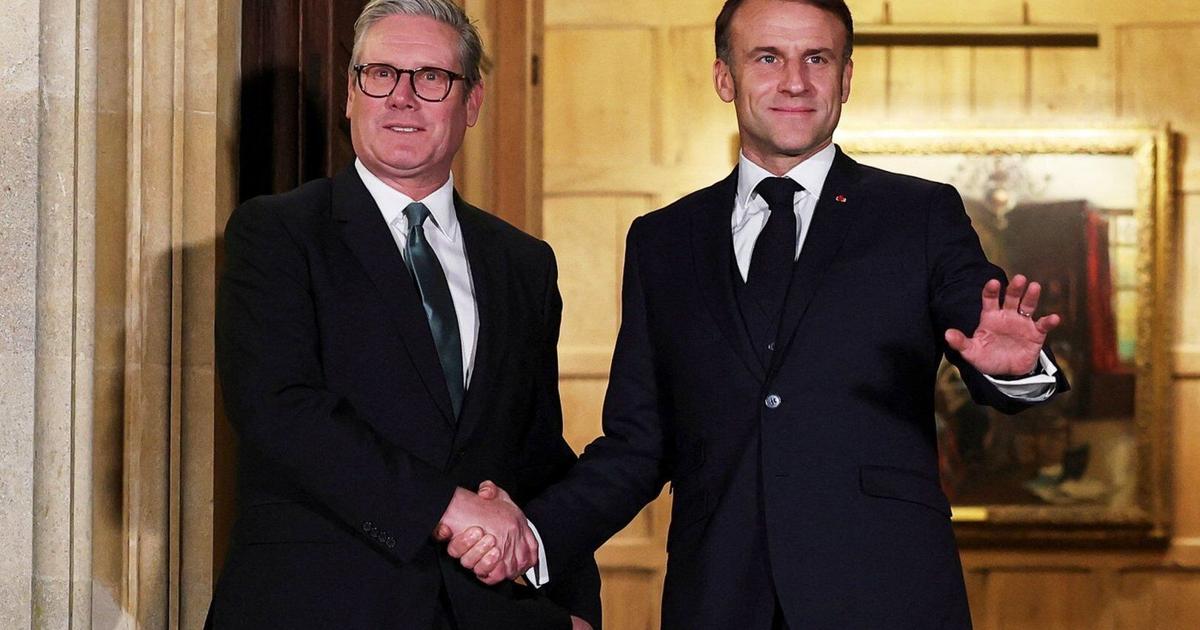
Despite Trump's demands, allies have not shown enthusiasm for involvement in the war, with some stating that it is not their conflict to fight. European leaders, including French President Emmanuel Macron, have emphasized the need for diplomatic solutions and a swift end to the conflict before considering any military action in the region.
The strained relationships between the U.S. and its allies have been exacerbated by recent trade disputes and disagreements over military interventions. Trump's confrontational approach has led to a lack of cooperation from allies, who are hesitant to be at the beck and call of his demands without proper consultation and international mandates.
Retired naval officers caution that military escorts to unblock the Strait of Hormuz without Iran's consent could be perilous. France has indicated a willingness to participate in such a mission once the fighting subsides, but only after engaging in talks with Iran. Trump has expressed frustration at allies' lack of support, highlighting the need for reciprocal assistance in times of need.
Allies in Europe and Asia rely on Middle Eastern resources, giving Trump some leverage in the situation. However, resistance to his demands could result in potential retaliation, as allies also depend on U.S. support for various strategic interests, such as in Ukraine. The delicate balance of power and cooperation between the U.S. and its allies underscores the complexities of international relations in times of conflict.