President Trump's Response to Joe Kent's Resignation: A Clash of Perspectives on the Iran War
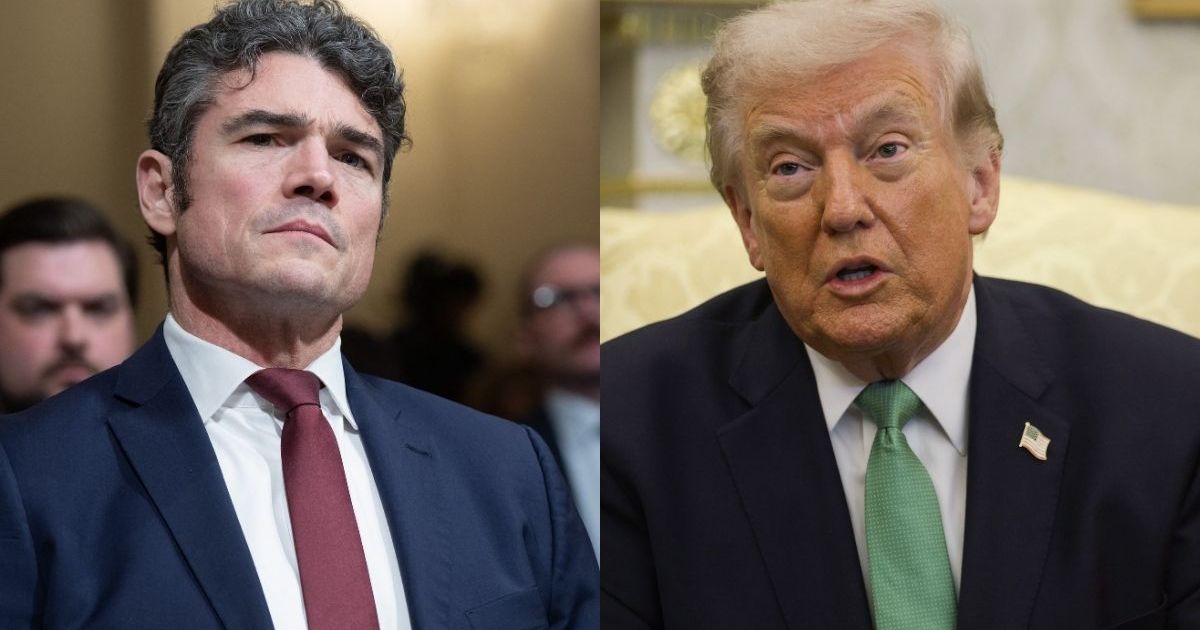
President Donald Trump responded to the resignation of his former counterterrorism chief, Joe Kent, by calling it a positive development. Kent had criticized the US-Israeli attack on Iran in his resignation letter, prompting Trump to question his professional judgment. Trump stated that he always considered Kent a nice person but believed he was weak on security, ultimately concluding that Kent's departure was a good thing.
Kent, a US special forces and CIA veteran who lost his wife in a Syria suicide bombing, urged Trump to reconsider the Iran War in his resignation letter. He argued that Iran did not pose an immediate threat to the US and suggested that pressure from Israel and its American lobby influenced the decision to start the war. However, Trump and the White House rejected these claims, with the president emphasizing the perceived threat posed by Iran and dismissing officials who disagreed with the necessity of attacking Iran for national security reasons.
The White House press secretary, Karoline Leavitt, dismissed Kent's allegations of foreign influence on Trump's decision to attack Iran as insulting and laughable. She asserted that the president had compelling evidence of an imminent Iranian threat. Director of National Intelligence Tulsi Gabbard, to whom Kent reported, supported Trump's stance, stating that the president acted based on the belief that Iran presented an imminent threat.
In his resignation letter, Kent expressed his reluctance to support a war that he believed did not benefit the American people and was not worth the cost of American lives. Despite his military background and extensive overseas deployments, Kent felt compelled to speak out against a conflict that he deemed unjust and unnecessary.
In conclusion, President Trump's response to Joe Kent's resignation highlighted the differing perspectives on the Iran War within the administration. While Kent raised concerns about the rationale behind the attack on Iran, Trump and his team emphasized the perceived threat posed by the Iranian regime. The debate surrounding the decision to engage in military action underscores the complexities of national security and foreign policy decisions.